









Is Your System Ready to Modernize?
A 10-point diagnostic to assess where your system stands today technical debt, AI readiness, compliance exposure. Get it in under 5 minutes.

We modernize legacy software step by step, zero downtime, and layer in AI where it actually moves the needle.
Trusted by growth-stage and enterprise teams _
500+
Legacy Systems Modernized
30+
AI Solutions Live
11+
Years Legacy Expertise
250+
Engineers
Recognitions & Credentials


Change feels risky. Standing still costs more_
Real systems Code District has modernized. Click an industry to see what transformation actually looks like.
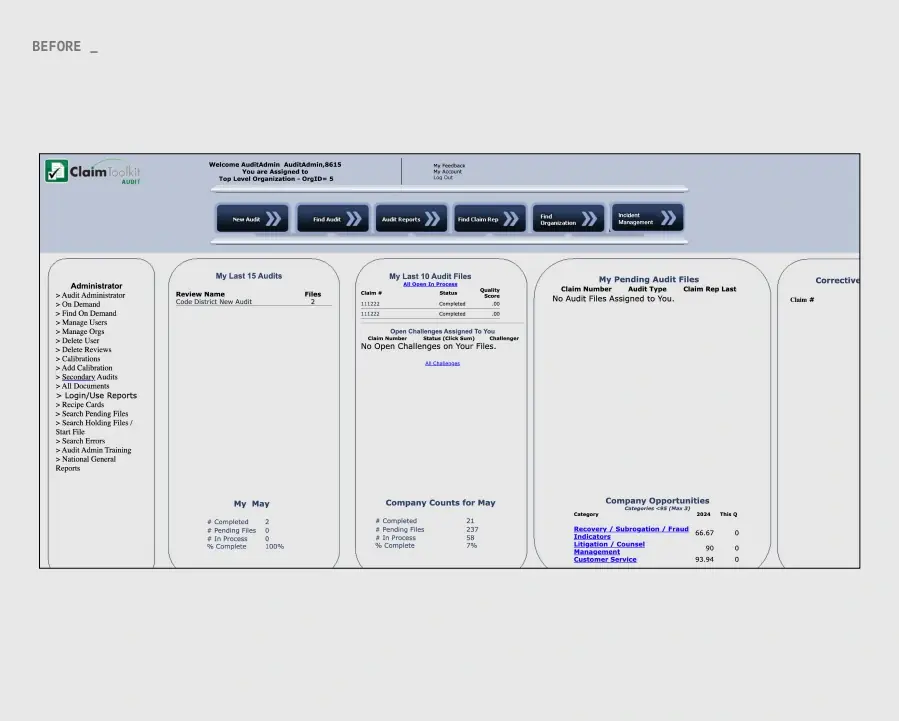
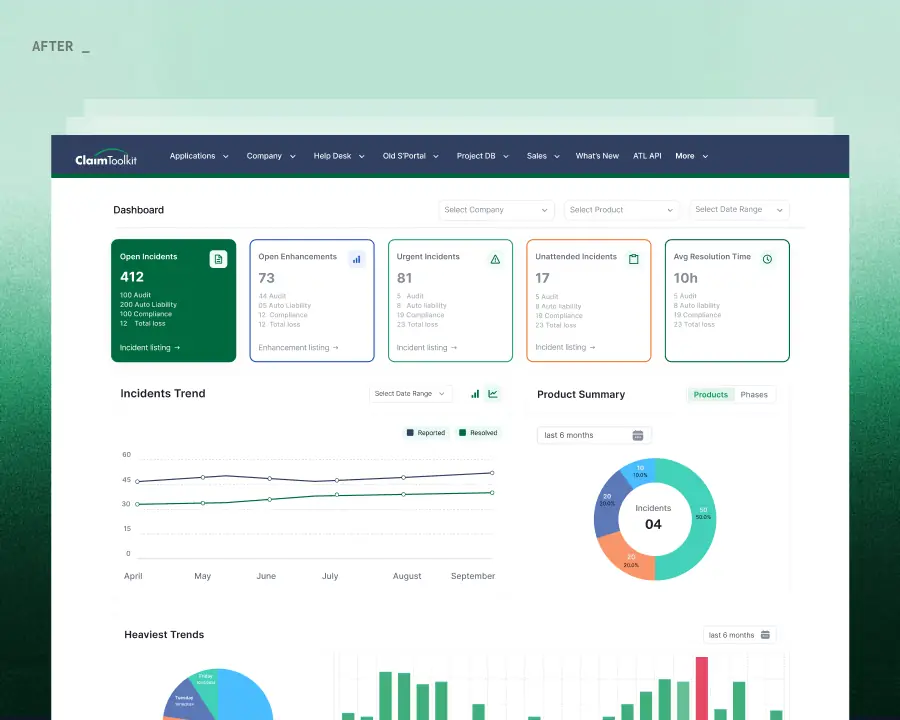
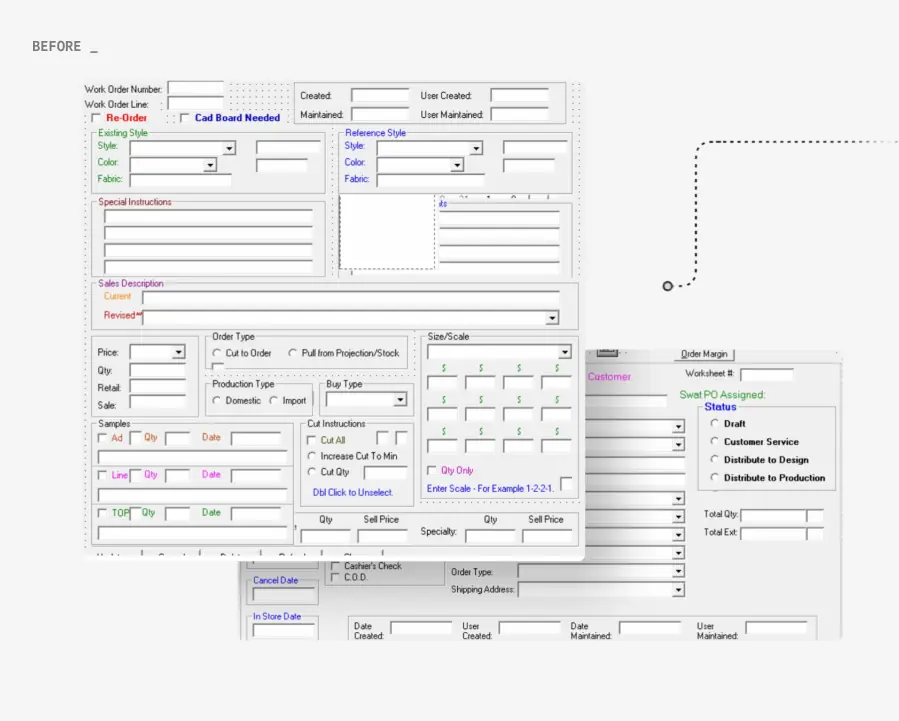
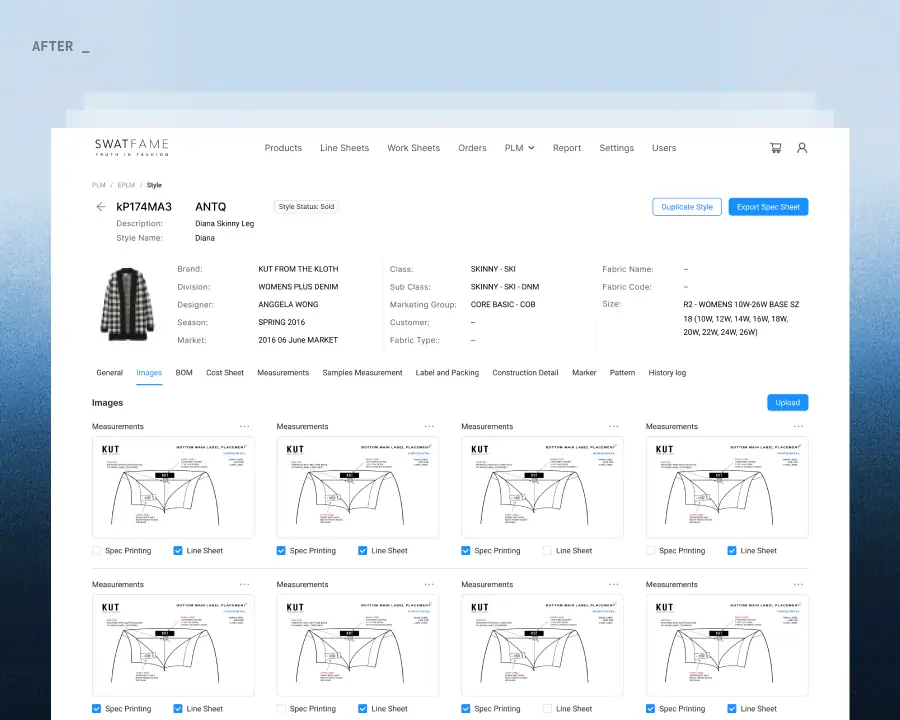
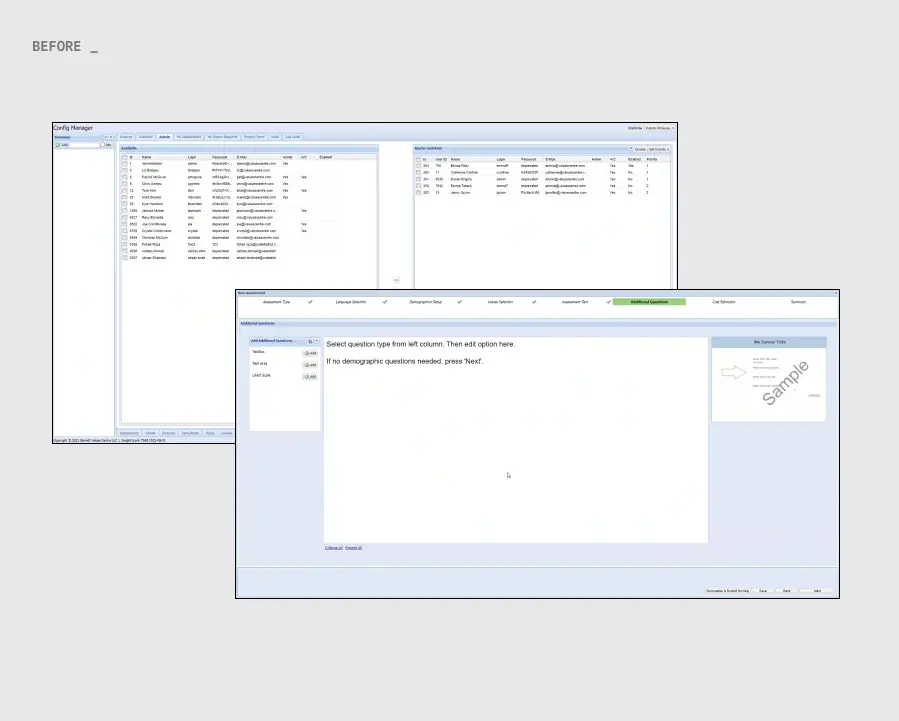
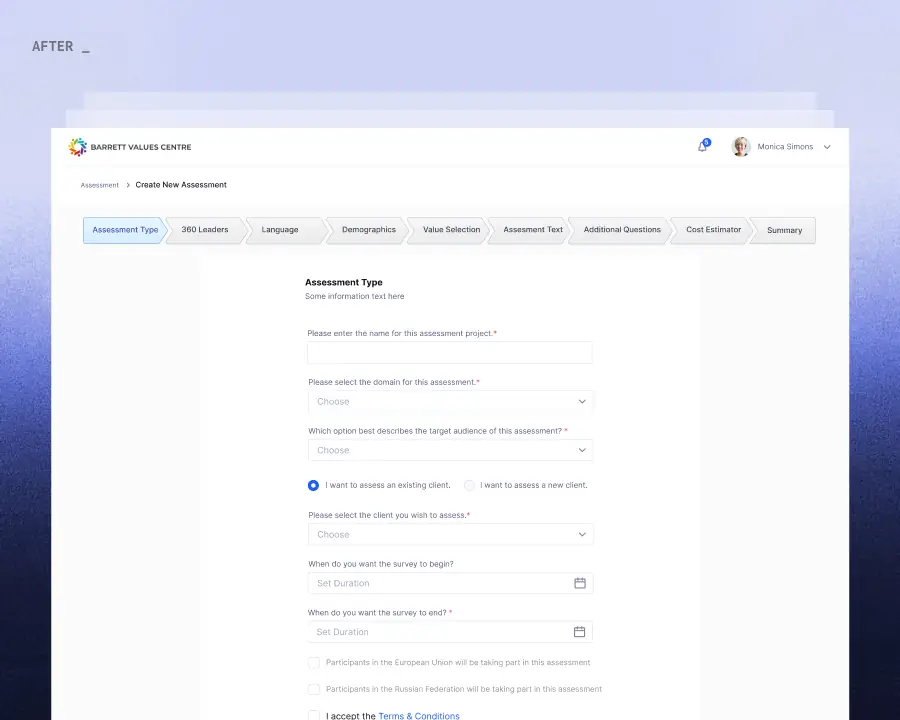
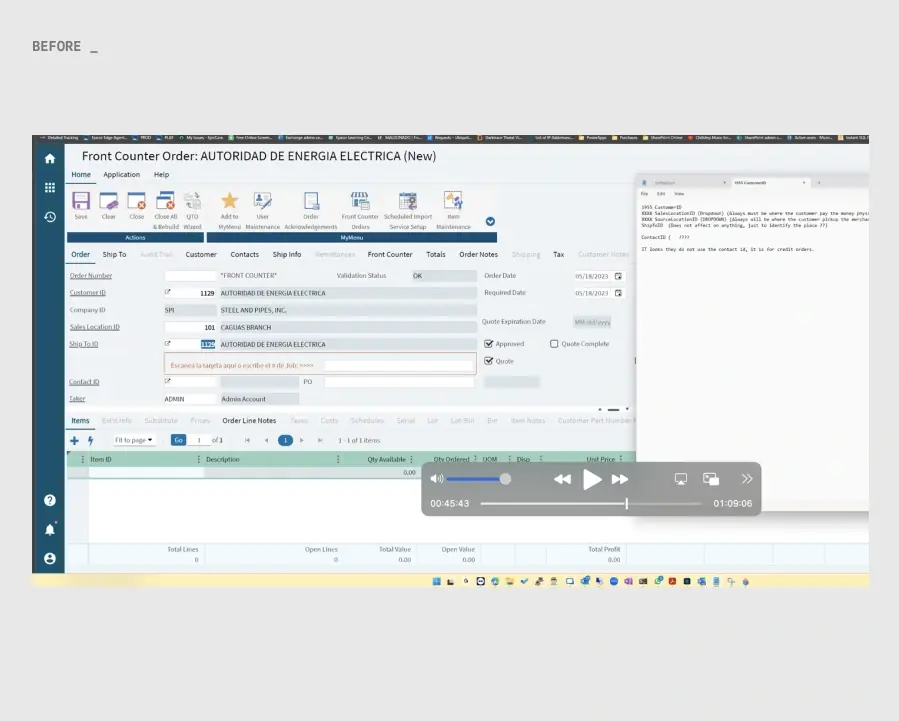
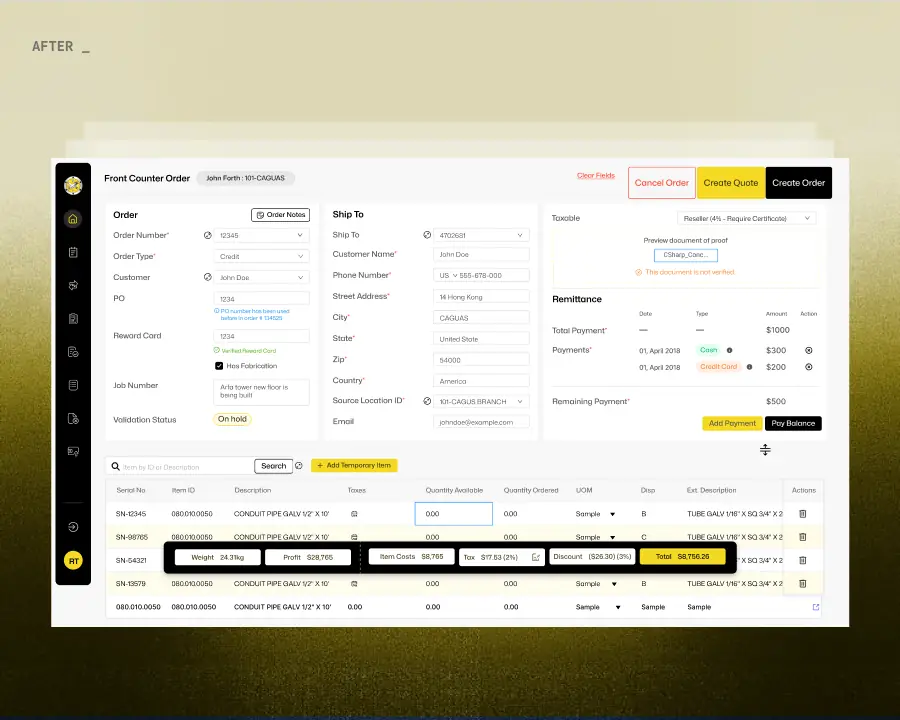
The symptoms are familiar. The damage is real. And it only gets harder to fix the longer you leave it.
See How We Fix ThisStaff workarounds, training crutches, customer complaints they all tell the same story. The product is failing the people using it.
Two people understand the system. When they leave, so does institutional knowledge and there's no documentation to fall back on.
CRM, analytics, payments - all sitting on the sideline. Every handoff is manual and your stack simply won't connect.
Every new feature has to navigate years of undocumented code. Patching keeps the lights on, nothing's left for what actually moves the business.
Traditional vs. Code District approach_
We skip the slide deck and the 12-month rebuild. What we deliver is smaller, faster, and actually running by the end of it.
Traditional / Big Consultancy
Big-bang rewrite - full system replaced at once
Months of downtime risk during cutover
AI bolted on demos well, breaks on real data
Rollback is expensive or impossible
6–18 months before anything goes live
Monthly status decks never working software
Approach to change
Downtime risk
AI integration
When things go wrong
Time to first value
Visibility & reporting
Code District_
Incremental Strangler Fig module by module
Zero downtime - parallel run until confidence is high
Foundation first, then targeted AI with clear metrics
Rollback always ready, no cliff edges
Working software in 4–8 weeks (pilot module)
Bi-weekly sprint reviews you see it, not hear about it
Not every system needs a full rewrite. Not every team can afford to wait.

Big-bang rebuilds often exceed budgets, miss deadlines, and risk production. Your business cannot pause for technology upgrades.
We use incremental modernization - the same strategy as Amazon and Netflix to evolve complex systems without downtime.
Replace piece by piece using the Strangler Fig pattern
Old and new systems run in parallel until confidence is high
Every change is reversible no cliff edges, no surprises
AI layers in after the foundation is solid, not as a shortcut
Approach
Best When
Risk
Encapsulation_
Wrap core with APIs
Logic is stable, need new capabilities without touching core
Rehosting_
Lift-and-shift to cloud
Infrastructure is the bottleneck app itself works fine
Replatforming_
Upgrade runtime
System works but needs better performance and cloud fit
Refactoring_
Clean the codebase
Functional but slow, fragile, or costly to maintain
Rebuilding_
Modern tech, same logic
Logic is worth keeping technology is not
Re-architect_
Service decomposition
Monolith with clear boundaries, ready for microservices
Two ways to get clarity on your modernization path both free, no commitment.
A 10-point diagnostic to assess where your system stands today technical debt, AI readiness, compliance exposure. Get it in under 5 minutes.
The approaches, tradeoffs, real timelines, and how to build the internal case for change. Written for the person who owns the decision not the vendor.
Or skip the reading – book a 30-min system audit call and we’ll map it for you
AI-Enabled modernization _

Most AI pilots fail not because the AI is bad but because the underlying system can’t support it. Messy data, no APIs, fragmented workflows.
We fix the foundation first. Then we add AI where it delivers a measurable result:
System Architecture - After Modernization
Document Intelligence
Extract and process unstructured data automatically no manual keying.
Workflow AI Agents
Handle decisions and exceptions without human intervention from approvals to routing
Predictive Operations
Surface anomalies, delays, and risks before they become costly problems
AI-assisted Reporting
Real-time answers instead of scheduled exports and manual data pulls
System Architecture - After Modernization
[1] - AI Layer_
Document agents · Predictive ops · AI reporting · Workflow automation
[2] - Modernization Foundation_
Clean REST APIs · Structured data · Cloud infrastructure · CI/CD
[3] - Legacy Core (Preserved Where Valuable)_
Business logic · Historical data · Proven workflows
[4] - Our Principle_
One practical win first. Then we scale. If a simpler fix wins on speed, cost, or compliance we choose the simpler fix.
Client Results _
 Rebuild
Modernization of BVC’s legacy survey system for a robust and modern enterprise training & assessment platform.
100%
Compliance with GDPR regulations
75%
Faster forms processing
 Rebuild
Outdates inventory system replaced with real-time stock visibility and order management.
25%
Fewer data errors
40%
Wholesale engagement
 Replaced
HIPAA-compliant survey app built for accurate health data collection across speech and communication disorders.
99%
Fewer data errors
55%
User adoption
 Replaced
Flash-based attribution platform rebuilt compliance ready and scaled for enterprise volume.
99%
Fewer discrepancies
75%
User adoption
 Refactoring
Custom API Layer over ERP unified operations across 12 locations without a rewrite.
50%
Licensing savings
30%
ROI increase
 Rebuild
Automated their legacy Claims Ingestion and Incident Management systems into an efficient, user-friendly web portal using a modern technology stack.
3M
liability decisions processed
30K
claim professional users
Is this you? _
You need COBOL, VB6, AS/400, Epicor, or older .NET/Java expertise and the market keeps turning up empty. Hiring takes months. The system can't wait.
The system runs your business. A full rebuild feels too risky. Doing nothing is costing you money, users, and developer sanity every month.
You need COBOL, VB6, AS/400, Epicor, or older .NET/Java expertise and the market keeps turning up empty. Hiring takes months. The system can't wait.
Incremental modernization with reversible cutovers. Business stays online throughout.
You've tried AI tools. They demo well. They fall apart on your actual data, your actual integrations, your actual workflows.
Bugs, patches, and technical debt consume your team. New features keep slipping. Users keep complaining. You're on a treadmill with no off button.
We fix the foundation first, then implement a targeted AI use case with a clear before/after metric.
We Stabilize first stop the bleeding build a roadmap for what comes next.
Why Code District _
500+
Legacy systems modernized
250+
In-house engineers
30+
AI Solutions in production
11+
Years in legacy tasks
[1] – Legacy Depth_
Engineers tested hands-on in COBOL, AS/400, VB6, Classic ASP, older .NET and Java. Not reading docs while your system waits.
[2] – AI Where it pays_
We map AI use cases to real workflows, not demos. If a simpler fix wins on speed or cost we choose the simpler fix.
[3] – No-risk start_
Discovery workshop maps your highest-impact slice and hands back a plan you can act on immediately no commitment required.
[4] – Incremental by default_
We use Strangler Fig, parallel runs, and reversible cutovers never big bangs. Your business stays online while the stack improves.
[5] – Weekly Visibility_
DORA practices, sprint reviews, and a lead architect reviewing risk every week. You’re never in the dark for months at a time.
[6] – Engineer replacement guarantee_
If someone isn’t a fit for your domain or stack, we replace quickly so momentum doesn’t drop.
Recognitions & Credentials
The questions we get asked most, answered straight.
Pilot modules usually go live in 4–8 weeks. A full incremental modernization runs 6–18 months depending on system size, integrations, and how much business logic must be preserved. We never quote a single “big bang” date you see working software on a bi-weekly cadence from week one.
Yes. We use the Strangler Fig pattern: old and new systems run in parallel until confidence is high, then we cut traffic over module by module. Every change is reversible if anything misbehaves we roll back without anyone noticing.
COBOL, AS/400 (RPG/CL), VB6, Classic ASP, older .NET (Framework 2.0+), older Java (1.4+), Delphi, FoxPro, Epicor, and SAP customizations. Our engineers have hands-on production experience not just theory from documentation.
AI lands on top of a modernized foundation, never bolted onto a legacy core. Once you have clean APIs and structured data, we add the AI use case that pays back fastest document intelligence, predictive ops, workflow agents, or AI-assisted reporting. If a simpler fix wins on speed or cost, we choose the simpler fix.
Refactoring keeps the same technology and cleans the codebase right when functionality is fine but the code is fragile or slow. Rebuilding keeps the business logic and replaces the technology right when the platform itself is the problem. Our discovery workshop maps which approach fits each module of your system.
A lead architect pairs with your team from week one: shadowing, joint design reviews, and a documented runbook for every module we touch. By the time we hand off, your engineers can extend and operate the new stack without us or keep us on for ongoing work. No lock-in.

Book a 30-minute Process Audit. By the end, you'll know what's automatable in your process, what it's worth to you, and where a first build fits.
Ready to Talk_
Book a free system assessment
A straight answer on what to automate first and what it's worth to your business.
Not Ready Yet_
Send us a message
Tell us which process is causing the most pain. We'll reply with a straight assessment.