













-
Why Update Outdated Perl Systems?
If your company is still running on outdated Perl systems, you’re probably paying a price you can’t even see yet.
Sure, they worked fine when you set them up, but as of now, hanging on to old systems can cost you big time.
Here’s why:
-
Security Risks
Outdated Perl versions are a goldmine for hackers. As new vulnerabilities are discovered, older systems just don’t get the same level of updates or patches. That leaves you exposed. A breach could be more than a PR nightmare—it could cost you customers, partnerships, and even lawsuits.
-
Increased Maintenance Costs
If you’ve got an aging Perl system, you’re probably spending more time patching things than actually moving forward. And the longer you hold on to that old system, the harder it gets to find qualified people who still know how to work with it.
-
Slower Performance & Efficiency
Old systems run more slowly. It’s that simple. They take more resources, have more bugs, and just can’t keep up with modern demands. In business, that means downtime, frustrated employees, and—ultimately—lost revenue.
Sticking with outdated Perl systems is like a ticking time bomb for your business. The longer you wait to upgrade or migrate, the more expensive and painful it’s going to get.
-
-
6 Must-Have Skills Every Perl Expert Should Bring to Your Team
-
Perl Language Skills
A Perl developer must have a strong command of the language itself.
That means they must understand Perl’s data structures, OOP concepts, scalar and array handling, references, hashes, and context (scalar vs. list).
They know how to write clean and maintainable code using modern Perl best practices (strict, warnings, use v5.42, etc.).
-
Web Framework Experience
Many Perl projects are web-based, so developers must have experience with popular frameworks such as Mojolicious, Catalyst, or Dancer.
Ideal candidates will be those who have hands-on experience developing web apps involving:
- Routing
- API development
- Session management
- Templating
-
CPAN Knowledge
CPAN offers an extensive repository of community-contributed modules for tasks ranging from database integration to web services and beyond.
An expert Perl developer must be skilled in using CPAN client tools such as cpanm, cpan, or cpanplus, and also in critically evaluating module quality.
They should understand when to leverage existing modules to accelerate development and when to author and package custom modules to meet specific architectural or domain needs.
-
Regular Expression Skills
Regular expression proficiency is essential in Perl development.
Developers must have a deep understanding of pattern matching, capturing groups, and assertions such as lookaheads and lookbehinds.
They must write an efficient and non-backtracking regex suitable for large-scale text processing.
Regex skills are necessary for data extraction, log parsing, and system integration in Perl codebases.
-
Legacy Code Maintenance
A lot of Perl work today involves maintaining legacy systems.
Developers must be able to read and analyze unstructured code, trace implicit dependencies, and refactor without breaking functionality.
They must document findings, apply safe and testable patches, and incrementally modernize codebases using modular design or object-oriented programming concepts.
-
Test-Driven Development (TDD)
Test-driven development, utilizing modules such as Test::More and Test::Harness, is a crucial skill for experienced Perl developers.
Writing tests before code improves code quality, prevents regressions, and enables safe deployments.
Perl developers with strong TDD habits are significantly better equipped to maintain and extend production systems.
-
-
What You'll Pay to Hire Perl Developers in the US vs. Europe vs. Asia
Startups and scaleups prefer to onboard Perl developers who have exceptional skills and are light on their pockets.
And why not? If we were getting the same offer, we would not think twice to seize the opportunity.
We’ve done the research and found the rates you’ll probably get around the world.
So, if you’re after Silicon Valley quality at way more affordable rates, you don’t wanna miss this.
-
US (United States)
Perl developers are harder to find in the United States compared to other regions. We all know that when demand increases and supply decreases, prices rise.
That’s why the cost to hire Perl developers in the USA is the highest. You can expect to pay around $110,000 to $140,000 annually for an experienced Perl developer.
Keep in mind that the price may vary depending on the state where your developer is located.
-
Europe
In Europe, tech talent is much more affordable than in the US. However, rates vary depending on the region.
The salary of Perl developers in Western Europe can range between $85,000 and $120,000 annually.
On the other hand, the cost to hire senior Perl developers in Eastern Europe is around $60,000 to $80,000 per year.
-
Asia
Asia offers the most economical rates to hire Perl developers remotely. This is the reason it is considered the prime destination for hiring remote tech talent.
A freelance Perl developer in India may cost $50,000 to $70,000 annually.
In Pakistan, the rates are even affordable. A Perl developer in Pakistan may only cost you $40,000 to $60,000 annually.
In the end, we would like to clarify that the lower prices don’t mean poor quality. The price difference is due to the lower cost of living and economic disparities.
Also, remember that prices may vary depending on the exact location, the developer’s skills, and the complexity of your project.
-
-
5 Perl Interview Questions and Sample Answers
-
Is Perl an interpreter or a compiler?
Perl is an interpreted language. The Perl code is executed directly by the interpreter line by line without being compiled into machine code. Being an interpreted language, it is a great choice for scripting and rapid development.
-
Can you explain the Chop() and Chomp() functions?
Both sound the same and cause a lot of confusion. However, Chop() removes the last character of the string completely, while Chomp() only removes the last character if it is a newline.
-
What are regular expressions in Perl? How are regular expressions used?
Regular expressions (regex) in Perl are patterns used to match, find, and manipulate strings. They are used for text processing, pattern matching, validation, and data extraction.
-
What are “use strict” and “use warnings” pragmas in Perl?
Use strict is a pragma that forces developers to write cleaner and less error-prone code. Variables are declared first before using them.
Use warnings is a pragma that alerts developers about possible problems and confusion in your code during program execution. (like using a variable before it’s initialized).
-
What is your experience with CPAN modules? Which ones have you used and why?
Yes, I have experience in using CPAN modules. Some of the modules I used are:
- DBI for interacting with relational databases like MySQL and PostgreSQL.
- Text::CSV to easily parse complex CSV formats and handle quoted fields.
- DateTime for managing time-related functionality in my projects.
- Try::Tiny simplified error handling in my Perl code by providing an easy-to-use try/catch
- mechanism.
-
Hire Perl Developers
Find and hire Perl developers for your next project with Code District. We help you hire the top 3% of developers 5X faster and at 40% less cost than in the US. Best part? Just interviewing the ready-to-go talent is on your part (seriously, that’s all).

-
Ali Ehsan

-
Laiba Sohail

-
Usama Saqib


High-caliber professionals ready to join your team!
Trusted by many organizations

Code District successfully launched our application on time. The team worked hard, adjusted to our schedule, and ensured our requests were turned around very quickly. They asked the right questions, used sound judgment, and made consistent progress, demonstrating strong technical skills and a driven attitude.

CTO, Skywatch


Code District was a hit. Their engineers were professional, communicative, and committed to delivering a well-thought-out solution. The best thing about them was their willingness to adapt, which made the process smooth and productive.

Head of IT Applications, Caribbean Airlines




One of the things that I really appreciate about Code District is that they work with you front stage in discovery sessions to help understand your needs and your requirements.

CEO & Founder, Simplifed


Code District knows and understands our business. Our teams have developed high-level of mutual trust and respect for one another. They have done a good job at being responsive and providing great support now that we’ve got users living and working in the system day in and day out.

COO, Source 2




Collaborating with team Code District was a great experience. They brought deep technical expertise and a problem-solving mindset to the development of our digital wallet platform. Their ability to integrate complex financial services while ensuring security and usability made a significant impact.

Head Of IT, STCPay Bahrain

Technical Expertise You Get When You Hire Top Perl Developers
How You Can Hire the Best Perl Developer from Code District in 3 Easy Steps
-
01. Discuss Requirements
Contact Code District representatives to discuss your project scope, feasibility, budget, and other requirements.
-
02. Interview the Shortlisted Candidates
We match you with pre-screened Perl developers. You take it from there with interviews and select the best fit for your needs.
-
03. Onboard the Developer
Once you choose the right candidate, they start working on your project immediately, while we handle the onboarding.

Want to hire a Perl developer?
Ready-to-interview vetted Perl developers are waiting for your project details.

Why Should I Choose Code District to Hire Perl Developers?
Our experienced Perl developers for hire specialize in network programming, web scraping, and building dynamic websites using Mojolicious and Dancer. They are proficient in regular expressions, CPAN modules, database management, and system administration.
- Access to the top 3% of Perl developers.
- Expertise in data manipulation, web frameworks, and legacy code maintenance.
- Quick onboarding (on average, within 2-3 days).
- Dedicated project manager at your service.
- Flexible hiring options with no hidden fees.
- Daily and weekly progress updates are provided.
- Developers are available to work in your time zone.
- Access to fluent English-speaking developers.
- Ensure project confidentiality with a signed NDA.
- Secure and compliant Perl development.
Key Points to Consider Before You Hire the Best Perl Developer
Want to Hire Perl Engineers?
Stop spending weeks on screening resumes and hire the best Perl developer 5X faster from our pre-vetted talent pool to avoid project delays.
Hire Perl Freelancers NowSuccess Stories that Prove We Mean Business
View all Work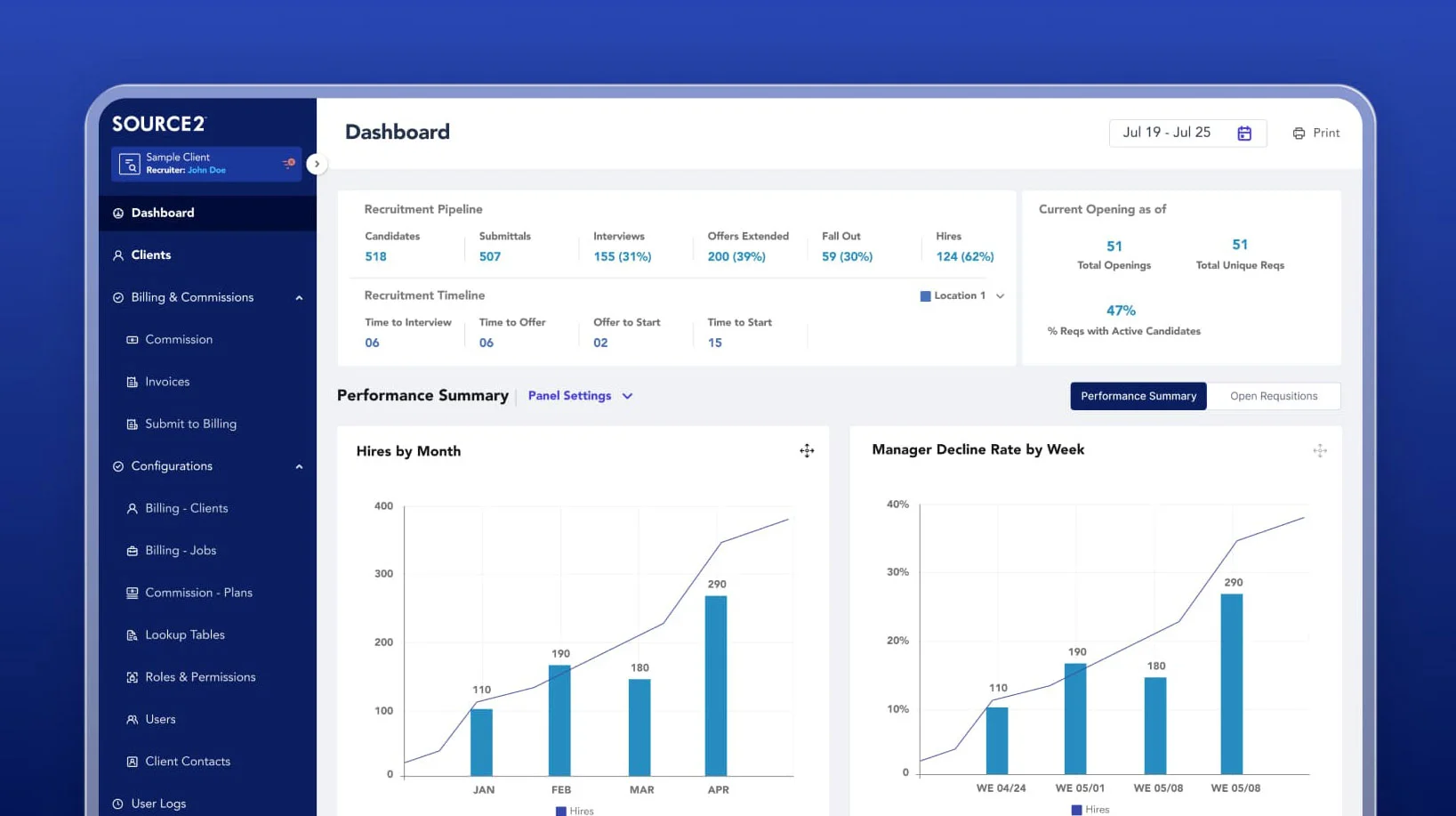

Source2 chose Code District to scale their engineering team and build a custom recruitment platform that enhanced operational visibility and cut manual work.


Skywatch brought in our agile engineering talent to build a custom, multilingual web platform that helped them scale quickly and slashed acquisition costs by 10x.
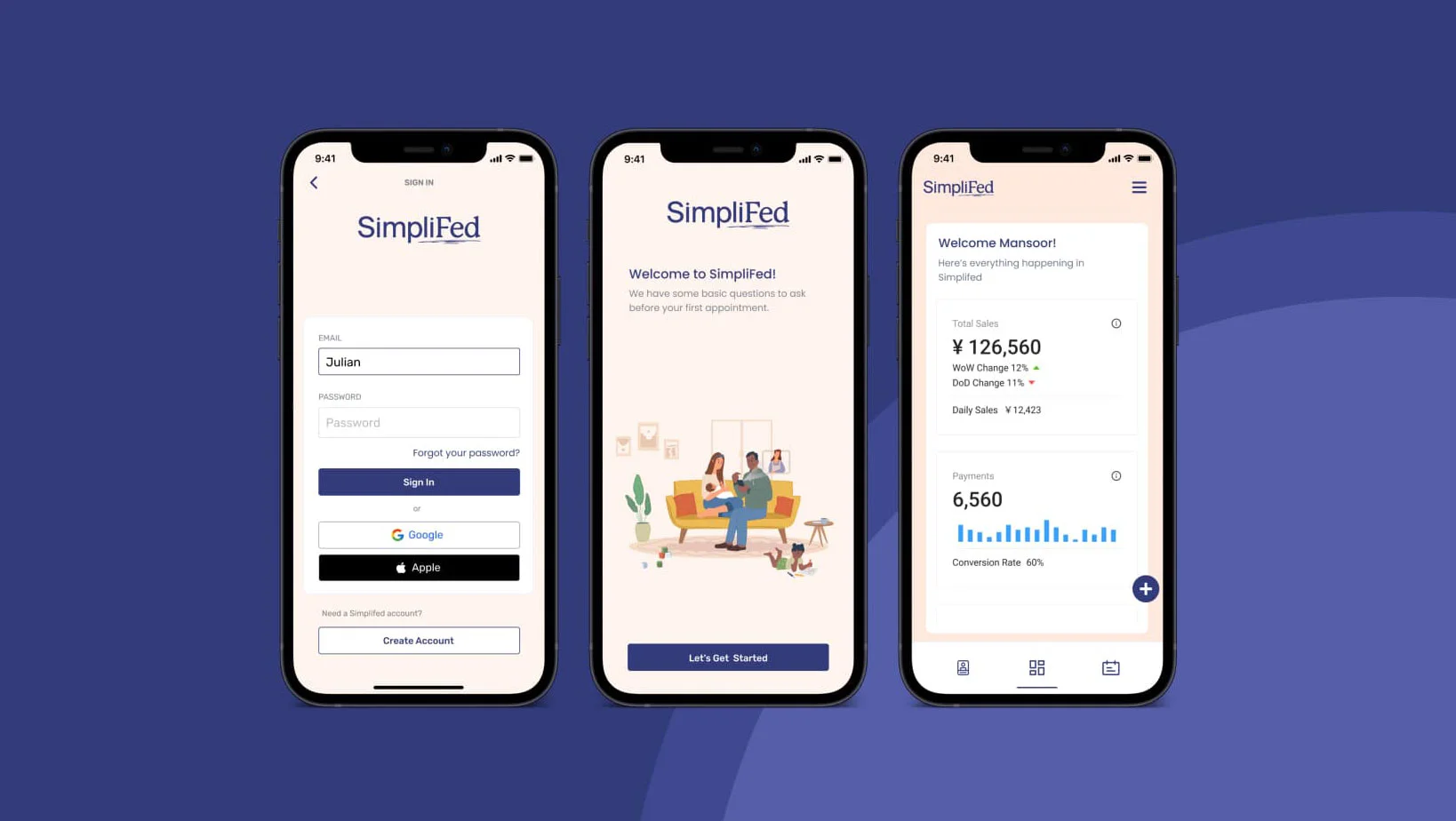

SimpliFed launched a HIPAA-compliant telehealth app that integrates Athena EMR and uses AI to match patients with providers efficiently by leveraging the expertise of our dedicated engineering team.


Caribbean Airlines processed claims 75% faster with a custom app built by our full-cycle development team that connected to their ticketing and reservation systems.
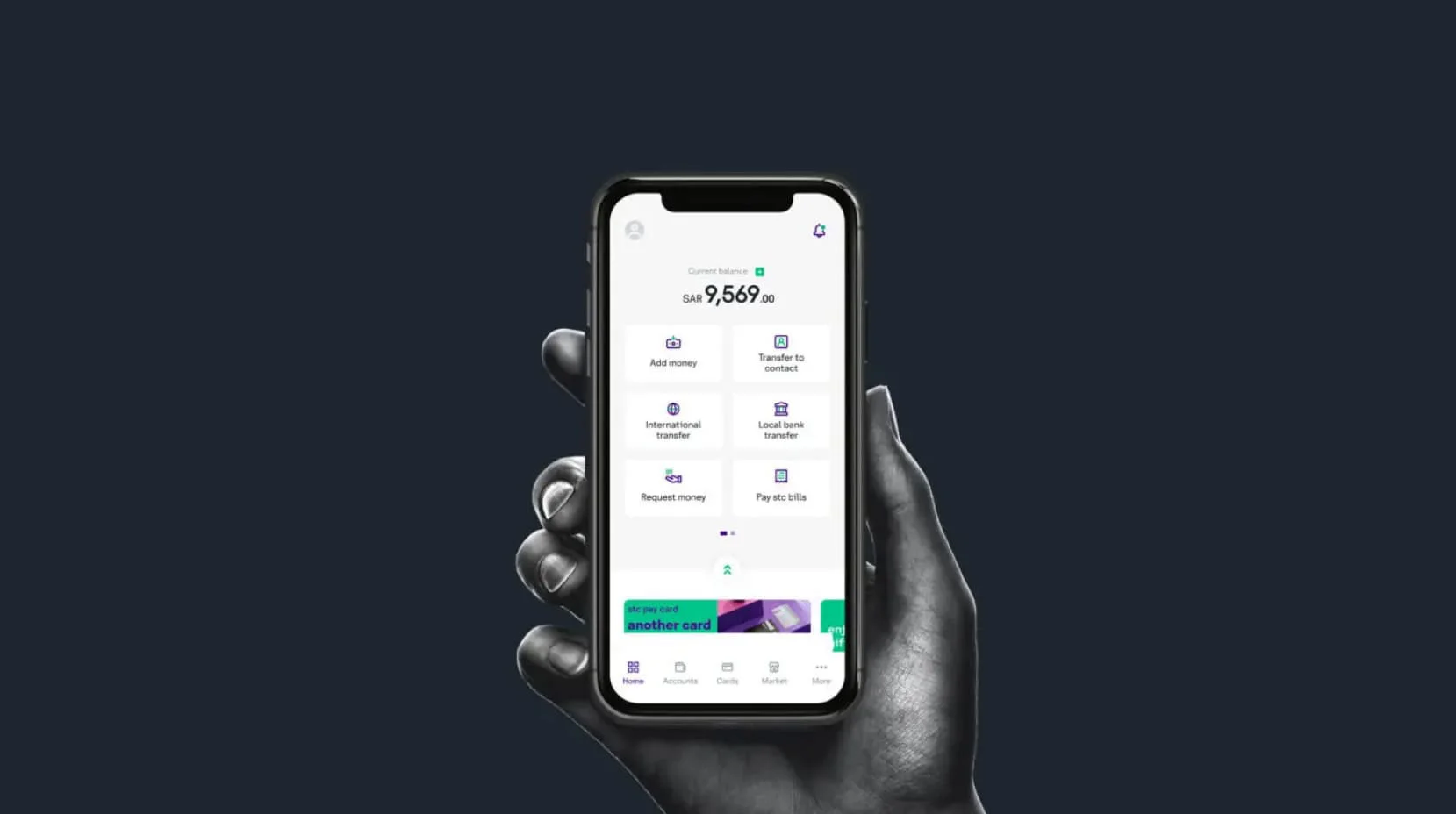

Saudi Telecom Bahrain partnered with our scalable tech team to develop a user-friendly mobile banking app, integrating multiple financial services for a seamless customer experience.


Heartbeat onboarded our AI engineers to build a HIPAA-compliant telehealth platform with AI chat support, EHR integration, and live consultations to improve patient care.
Hire Perl Developers FAQs
What is Perl?
Perl is a programming language that excels in handling text processing, data manipulation, and automation tasks.
It has been around since the late 1980s and is still widely used in specific industries due to its flexibility and efficiency.
The simple syntax of Perl makes it easy for developers to learn and write clean code.
Is Perl relevant in 2025?
Yes, Perl is relevant in 2025. It remains a popular choice for:
- Text processing
- Network programming
- CGI scripting
- System administration
- Data manipulation
Despite the popularity of other languages, Perl is still used for niche use cases in industries such as bioinformatics, finance, and telecommunications.
Where can I find experienced Perl developers?
You can find Perl freelancers on Fiverr, Upwork, and other similar platforms (the traditional approach).
However, hiring from these platforms has its own set of challenges, including inconsistent quality, a lack of niche experts, communication gaps, lengthy hiring processes, and more.
Alternatively, you can act smart like big brands and trust Code District to hire Perl Developers.
You get pre-screened Perl developers at 40% less than US rates and 5X faster than anywhere else.
How does Code District vet Perl Developers for hire?
At Code District, we take a rigorous and multi-step approach to vet Perl developers for our talent pool.
We begin with in-depth technical interviews to assess the problem-solving skills and technical expertise of Perl developers.
We review their past projects and assign a test task to evaluate how effectively they can apply their skills.
Besides their technical skills, we also make sure they’re great communicators. It is a key part of our evaluation process.
By the end of our process, we make sure you’re confident in your decision when hiring Perl freelance developers from Code District.
How quickly can I hire the best Perl developer from Code District?
You can easily hire the best Perl developers from Code District within 2 to 4 days. We have a pool of pre-screened Perl experts, from which you can interview and pick based on your project requirements.
How much does it cost to hire Perl developers?
Hire Perl developers starting from $25 per hour from Code District. The per-hour rate varies depending on the developer’s skills and experience.
A junior Perl developer will cost $25 to $35 per hour. However, a senior Perl developer will cost around $40 to $50 per hour.
Have a Role to Fill? Say Hello to Get Matched
Drop us a message, and we will get back to you in no time.
First hire or fifth office, we have worked with all.
-
200+ pre-screened developers
Top 3% rigorously evaluated engineers, ready to start
-
96% match success rate
Most clients find their perfect hire on the first try
-
100+ brands (and counting) found their match
Let's make your story the next one we're proud of


