













-
What Do Machine Learning Engineers Do?
Machine learning engineers build systems that learn from data and make predictions or decisions. They architect end-to-end ML systems that process millions of data points, make real-time predictions, and integrate with your existing infrastructure.
-
Data Pipeline Development and Architecture
Machine learning experts build systems to collect, clean, and prepare data for training. This includes handling missing values, performing feature engineering, and validating the data.
-
Model Development and Training
Model development starts with a deep understanding of the business problem to frame it mathematically. Is this a classification problem (fraud vs. legitimate), a regression problem (price prediction), or something more complex like time series forecasting?
They select algorithms, tune hyperparameters, and train models that meet your accuracy and performance targets. When you hire ML engineers with production experience, they also build training pipelines that can retrain models automatically as new data arrives.
-
Model Deployment
Getting a model into production requires containerizing it, setting up serving infrastructure, implementing API endpoints, and ensuring the system can handle the traffic load you expect.
Machine learning developers make key decisions about deployment architecture, monitoring, and release strategy.
They implement A/B testing frameworks to compare new models with existing ones. They set up performance and data-drift monitoring to catch issues early. And they ensure models can be safely rolled back or updated as conditions change.
-
Performance Optimization and Cost Management
Model deployment isn’t where the machine learning developer’s job ends. Once a model is live, they work to improve its speed, reduce latency, and optimize resource usage to keep costs under control.
Machine learning engineers for hire use techniques like model compression, quantization, and auto-scaling to achieve these goals.
A well-optimized ML system can cut infrastructure costs by 40-60% without sacrificing performance.
-
System Integration
ML models don’t exist in isolation. They need to integrate with your existing infrastructure, including CRM, web application, mobile app, and analytics platform.
Machine learning engineers build API endpoints that your application can call and implement webhooks that trigger predictions in response to events. They also create data connectors that feed predictions back into your business systems.
-
Non-Functional Collaboration
The best ML engineers communicate effectively with non-technical stakeholders. They translate model performance metrics into business impact. They explain why certain predictions were made and help product managers understand model limitations.
When you hire remote machine learning engineers who are great communicators, they make complicated technical concepts easy for the non-technical stakeholders.
-
-
Benefits of Hiring Machine Learning Developers
Organizations that hire machine learning developers gain capabilities that fundamentally change how they operate, compete, and serve customers.
Here is how hiring a machine learning expert might help you:
-
Turn data into business value
Companies generate data continuously through customer interactions, transactions, sensor readings, user behavior, support tickets, and market signals. Most of this data sits unused in databases, without the expertise to apply machine learning.
When you hire machine learning developers remotely, they build intelligent systems that automate decisions, personalize experiences, and surface insights you’d miss manually.
Companies report 10-30% improvements in key metrics after deploying machine learning systems. These metrics include, but are not limited to, conversion rates, customer acquisition costs, operational expenses, and revenue per customer.
-
Reduce manual work
Every hour your team spends on repetitive tasks is an hour they’re not spending on strategic work. Manual data entry, report generation, customer inquiry routing, and document review drain your team’s energy.
Machine learning engineers can build automation systems to eliminate grunt work. They use AI to categorize support tickets, extract info from documents, and match products. This leads to 30-50% time savings on routine tasks.
-
Scale decision-making
Human decision-making has limits. Your team can review hundreds of support tickets, but not millions.
Machine learning engineers build automated decision systems that operate at scales humans can’t match. These systems process millions of decisions consistently, without fatigue, applying complex rules that would overwhelm manual review.
-
Stay competitive
Machine learning has influenced every industry. Falling behind on ML capabilities has real costs. You lose customers to competitors with better features. You operate at higher costs than more automated competitors. You miss opportunities that ML-powered insights would have revealed.
Companies hire machine learning developers to leverage ML capabilities in their workflows to better serve customers, operate more efficiently, and innovate faster.
-
-
How to Hire a Machine Learning Engineer
Finding and hiring the right machine learning developers is easy if you follow a structured process. Here is a step-by-step process that helps you hire the best machine learning engineer for your project:
-
Define the Business Problem
Most hiring mistakes start here: defining the role before clarifying the problem you’re trying to solve. “We need to hire a machine learning engineer” is like saying “we need a doctor” without specifying what’s wrong.
Start with the business problem. Are you trying to reduce customer churn? Automate document processing? Detect fraudulent transactions? Forecast inventory demand? The problem determines what skills, experience, and background you need.
-
Assess Production Skills
The biggest gap in ML hiring is between academic knowledge and production capability. Many candidates can explain algorithms, but struggle to deploy a working model that handles traffic.
Test practical skills when you hire ML engineers. Give candidates a realistic problem. Messy data, ambiguous requirements, and constraints similar to what they’ll face on your team. Watch how they approach it.
Do they ask clarifying questions about the business context? Do they start by exploring and understanding the data? Do they think about edge cases and failure modes?
The best candidates demonstrate systems thinking. They consider the entire pipeline from data ingestion through deployment, monitoring, and retraining.
-
Test Deployment and MLOps Experience
Many engineers can train models. Far fewer can deploy them reliably to production and maintain them over time. This is where projects most often fail.
When you hire machine learning experts for production systems, ask specific questions about deployment: How do you containerize a model? How do you handle versioning? How do you monitor performance in production? How do you detect and respond to data drift?
Look for experience with the full ML lifecycle. Have they set up CI/CD pipelines for ML projects? Have they implemented A/B testing frameworks? Have they debugged production issues with live models? Have they managed model retraining schedules?
MLOps experience is increasingly valuable. Candidates who’ve worked with tools like MLflow, Kubeflow, or cloud-native ML platforms bring knowledge of best practices that prevent common pitfalls.
-
Evaluate Communication and Collaboration Abilities
Technical brilliance doesn’t help if the engineer can’t explain their work to stakeholders or collaborate effectively with your team.
During interviews, ask candidates to explain a complex technical concept to you as if you’re non-technical. Can they make it understandable without oversimplifying? Can they use analogies and examples effectively?
When you hire remote machine learning engineers, communication becomes even more critical. They need to write clear documentation, participate in asynchronous discussions, and explain decisions in writing. Ask to see examples of technical documentation they’ve written.
Cultural fit matters for remote teams. Will they proactively update the team on progress? Will they participate in code reviews and knowledge sharing? Remote collaboration requires self-direction and strong communication.
-
Verify Domain Experience
For some projects, domain knowledge is optional. For others, it’s essential. Healthcare requires understanding clinical workflows, regulatory requirements, and medical terminology.
In finance, machine learning requires knowledge of fraud patterns, risk models, and compliance constraints.
When you hire ML developers for domain-specific applications, look for relevant industry experience. Have they built similar systems before? Do they understand the regulatory environment? Can they speak the language of your industry?
-
Consider the Engagement Model and Team Structure
Before you hire machine learning developers, decide what engagement model fits your needs. Are you building a long-term ML capability, or do you need help with a specific project?
Full-time hires make sense when machine learning is core to your business strategy. Contract or project-based hiring works well for defined projects with a clear scope and timeline.
When you hire dedicated machine learning developers on contract, you get expertise without long-term commitment.
Consider timezone needs too. If you need real-time collaboration, hire machine learning engineers near me or in compatible time zones. If asynchronous work is fine, global talent pools offer more options and often better rates.
-
Use Specialized Platforms and Pre-Vetted Talent Pools
Traditional hiring…posting on job boards, reviewing hundreds of resumes, and conducting multiple rounds of interviews takes months.
It’s especially challenging when hiring dedicated machine learning developers because few recruiters can effectively evaluate technical skills.
Platforms that pre-screen candidates save substantial time. When you work with services that provide pre-vetted machine learning engineers for hire, you skip the initial filtering. You interview only candidates who’ve already demonstrated relevant skills.
Look for platforms with rigorous technical assessments. The best ones test practical skills, not just theoretical knowledge. They verify that candidates can write production-quality code, deploy models, and solve realistic problems.
Code District and similar specialized platforms maintain pools of vetted machine learning talent ready to start quickly. You describe your needs, they match you with relevant candidates, and you interview only qualified engineers.
-
Conduct Interviews
Technical screening should cover ML fundamentals but focus on practical application. Ask candidates to explain how they’d approach your specific problem.
Take-home projects reveal more than whiteboard interviews. Give candidates a realistic dataset and problem.
See how they explore data, what features they engineer, how they validate models, and how they communicate results. Quality of code, clarity of documentation, and depth of analysis all matter.
-
-
Skills to Look for in a Machine Learning Engineer
Finding the best machine learning developer requires looking beyond impressive resumes and academic credentials. The engineers who succeed in production environments possess a unique combination of technical skills, practical experience, and soft skills.
Look for these skills when you hire a machine learning developer:
-
Programming Proficiency
Python dominates machine learning development, but depth of knowledge matters more than surface familiarity.
When you hire ML developers, look for engineers who write clean, maintainable code with proper error handling, logging, and documentation.
They should demonstrate strong proficiency with NumPy, Pandas, and scikit-learn. For deep learning projects, expertise in either PyTorch or TensorFlow is essential.
Machine learning experts should also be familiar with Git version control, unit testing, continuous integration/continuous deployment (CI/CD), and code review practices.
-
Mathematical and Statistical Foundation
When you hire machine learning engineers, look for their understanding of linear algebra, probability, and statistical testing. These skills help the developers choose the right approach and debug model issues.
Strong statistical knowledge helps machine learning developers design experiments effectively, interpret model results accurately, and avoid common pitfalls such as overfitting, data leakage, and spurious correlations.
-
Data Handling and Preprocessing Expertise
Academic datasets are clean, balanced, and ready to use. Real-world data is messy, incomplete, and full of errors.
Engineers who’ve only worked with toy datasets struggle when faced with the complexity of production data.
When you hire dedicated machine learning developers with real data experience, they know how to handle missing values, detect and manage outliers, and address class imbalance in training data.
They’ve dealt with data quality issues such as duplicate records, inconsistent formatting, and values that don’t make business sense. The machine learning engineers for hire understand different data types and how to encode them for machine learning.
-
Cloud Platform and Infrastructure Knowledge
Modern ML development happens in the cloud. When you hire machine learning developers for production systems, they need hands-on experience with at least one major cloud platform, including AWS, Google Cloud, or Azure.
They should know how to use managed ML services like AWS SageMaker, Google Cloud AI Platform, or Azure Machine Learning.
But they also need to understand the underlying infrastructure: compute instances, storage options, networking, and security.
They should know when to use CPUs, GPUs, or TPUs, how to set up virtual private clouds for data security, and how to configure auto-scaling to handle variable traffic.
-
MLOps
When you hire ML engineers with MLOps experience, they bring knowledge of the entire ML lifecycle. This includes experiment tracking, model versioning, model registries, and deployment pipelines.
They understand containerization with Docker, orchestration with Kubernetes, and infrastructure as code with Terraform.
Machine learning experts should be hands-on in implementing logging for predictions, tracking model performance metrics over time, and setting up alerts for anomalies. Experience with monitoring tools is also essential.
-
Domain Knowledge and Business Acumen
Technical skills alone aren’t enough. The best machine learning engineers understand the business domain they’re working in.
When you hire machine learning engineers for healthcare, they should understand HIPAA compliance, clinical workflows, and medical terminology.
For finance, they need knowledge of fraud patterns, regulatory requirements, and risk models.
This domain knowledge helps them ask the right questions, identify relevant features, and build models that solve actual business problems rather than just optimizing abstract metrics.
-
Communication and Collaboration Skills
Machine learning developers work with data scientists, backend developers, product managers, and business stakeholders.
Clear communication is essential for project success. They need to document their work clearly, explain technical decisions in an accessible language, and participate effectively in remote collaboration.
Hire dedicated machine learning developers who can write clear technical documentation, present results to non-technical audiences, and ask clarifying questions when requirements are ambiguous.
They should be comfortable with code reviews, pair programming, and knowledge sharing.
-
-
How Much Does It Cost to Hire a Machine Learning Engineer?
Understanding how much a machine learning engineer costs helps you budget appropriately and evaluate your hiring options realistically.
The salary of a machine learning developer depends on experience level, location, engagement model, and specialization.
Annual Salaries of Machine Learning Developers
Region Junior (1-3 years) Mid-Level (3-5 years) Senior (5+ years) USA $75,000 – $120,000 $100,000 – $150,000 $135,000 – $220,000 Europe $35,000 – $75,000 $65,000 – $110,000 $90,000 – $160,000 Asia $20,000 – $35,000 $30,000 – $60,000 $50,000 – $90,000 Hourly Rates Machine Learning Developers Charge
Region Junior (1-3 years) Mid-Level (3-5 years) Senior (5+ years) USA $45 – $70/hr $60 – $100/hr $90 – $160/hr Europe $30 – $55/hr $45 – $75/hr $65 – $110/hr Asia $18 – $30/hr $25 – $50/hr $40 – $70/hr The data on the cost of hiring a machine learning engineer shows that Asia is the most affordable region, while the USA is the most expensive. However, for better cultural fit and time zone compatibility, hiring within your own region is ideal.
Hire Machine Learning (ML) Developers
Finding the right machine learning talent shouldn’t overrun your timeline and budget. You need engineers who understand why and how machine learning models work. Code District helps you hire ML developers to build, train, and deploy models for your specific use cases. Stop burning 6 weeks on hiring, and access top developers in 72 hours.

-
Ali Ehsan

-
Laiba Sohail

-
Usama Saqib


High-caliber professionals ready to join your team!
Trusted by many organizations

Code District successfully launched our application on time. The team worked hard, adjusted to our schedule, and ensured our requests were turned around very quickly. They asked the right questions, used sound judgment, and made consistent progress, demonstrating strong technical skills and a driven attitude.

CTO, Skywatch


Code District was a hit. Their engineers were professional, communicative, and committed to delivering a well-thought-out solution. The best thing about them was their willingness to adapt, which made the process smooth and productive.

Head of IT Applications, Caribbean Airlines




One of the things that I really appreciate about Code District is that they work with you front stage in discovery sessions to help understand your needs and your requirements.

CEO & Founder, Simplifed


Code District knows and understands our business. Our teams have developed high-level of mutual trust and respect for one another. They have done a good job at being responsive and providing great support now that we’ve got users living and working in the system day in and day out.

COO, Source 2




Collaborating with team Code District was a great experience. They brought deep technical expertise and a problem-solving mindset to the development of our digital wallet platform. Their ability to integrate complex financial services while ensuring security and usability made a significant impact.

Head Of IT, STCPay Bahrain

Expertise of Machine Learning Engineers for Hire
AI/ML Chatbots
Lower support overhead, improve conversion rates, and reduce customer support tickets by 40-60% with AI/ML chatbots. Hire machine learning developers to build context-aware chatbots that automate routine tasks, integrate with your systems, and escalate complex cases to human agents.
Virtual Assistants
Virtual assistants can save your employees up to 20 hours per week by automating time-consuming chores. Our machine learning engineers for hire build AI virtual assistants trained on your processes, data formats, and business rules to support a range of business-specific use cases.
NLP Solutions
Organizations across media, retail, and professional services can hire machine learning engineers proficient in building custom NLP solutions. These solutions can assist businesses with tasks such as contract analysis, document classification, sentiment analysis, and content generation.
Recommendation Models
Generic product catalogs convert poorly. Hire machine learning developers to build recommendation systems that personalize customer experiences based on their behavior and purchase history. Reports suggest that personalization may lead 56% of consumers to become repeat buyers.
Predictive Analytics
Predictive analytics systems enable proactive demand forecasting, churn prediction, and resource planning. Hire dedicated machine learning developers to build predictive analytics tools that analyze historical and seasonal data to support data-driven planning instead of assumptions.

Fraud Detection Tools
Hire machine learning experts to build ML-powered fraud detection tools that learn normal behavior patterns and flag anomalies in real-time across use cases, such as insurance claims and payment fraud. Fraud prevention can help reduce revenue leakages and lower false positives.

BI Solutions
Raw data sitting in databases doesn’t support decision-making. Our engineering team cleans and standardizes your raw data to develop custom BI solutions. These solutions provide actionable insights into sales pipelines, customer behavior, market trends, and revenue forecasts.

Sentiment Analysis
Improving customer satisfaction without understanding customers’ sentiments about your product, service, or brand is impossible. Hire ML developers remotely to build sentiment analysis tools that monitor and analyze customer behavior, feedback, and reviews across digital platforms.
Hire Machine Learning Engineers from Code District in 3 Easy Steps
-
01. Discuss Requirements
Contact Code District representatives to discuss your project scope, feasibility, budget, and other essential requirements.
-
02. Interview the Shortlisted Candidates
We match you with 3–4 machine learning engineers for hire. Average time to match is 72 hours. Conduct interviews and select the best fit.
-
03. Hire a Machine Learning Expert
Once you choose the best ML developer, they start working on your project right away, while we handle contracts and other tasks.

Want to hire machine learning developers?
Get matched with a top ML developer in 48–72 hours with Code District.
Hire machine learning developers with zero risks. Start your 1-week free trial today!
Start Now!
Why Should I Hire Dedicated Machine Learning Developers from Code District?
Hiring machine learning engineers remotely takes 2–4 months, and even then, many can’t deploy models to production. Startups can hire top ML developers from Code District in just 72 hours.
We vet talent under real project conditions. We evaluate whether they can take your data, build a reliable model, deploy it to production, and clearly explain their decisions to stakeholders.
- Access to the top 3% of pre-screened ML developers.
- Expertise in MLOps, TensorFlow, and Cloud platforms.
- Quick onboarding (on average, within 2-3 days).
- Dedicated project manager at your service.
- Flexible hiring options with no hidden fees.
- Daily and weekly progress updates are provided.
- Developers are available to work in your time zone.
- Access to fluent English-speaking developers.
- Ensure project confidentiality with a signed NDA.
- Secure and compliant machine learning development.
Hire Machine Learning Experts: Complete Guide
Want to hire remote machine learning developers?
Stop spending weeks screening resumes and hire machine learning engineers 5X faster from our pre-vetted talent pool to avoid project delays.
Hire NowSuccess Stories that Prove We Mean Business
View all Work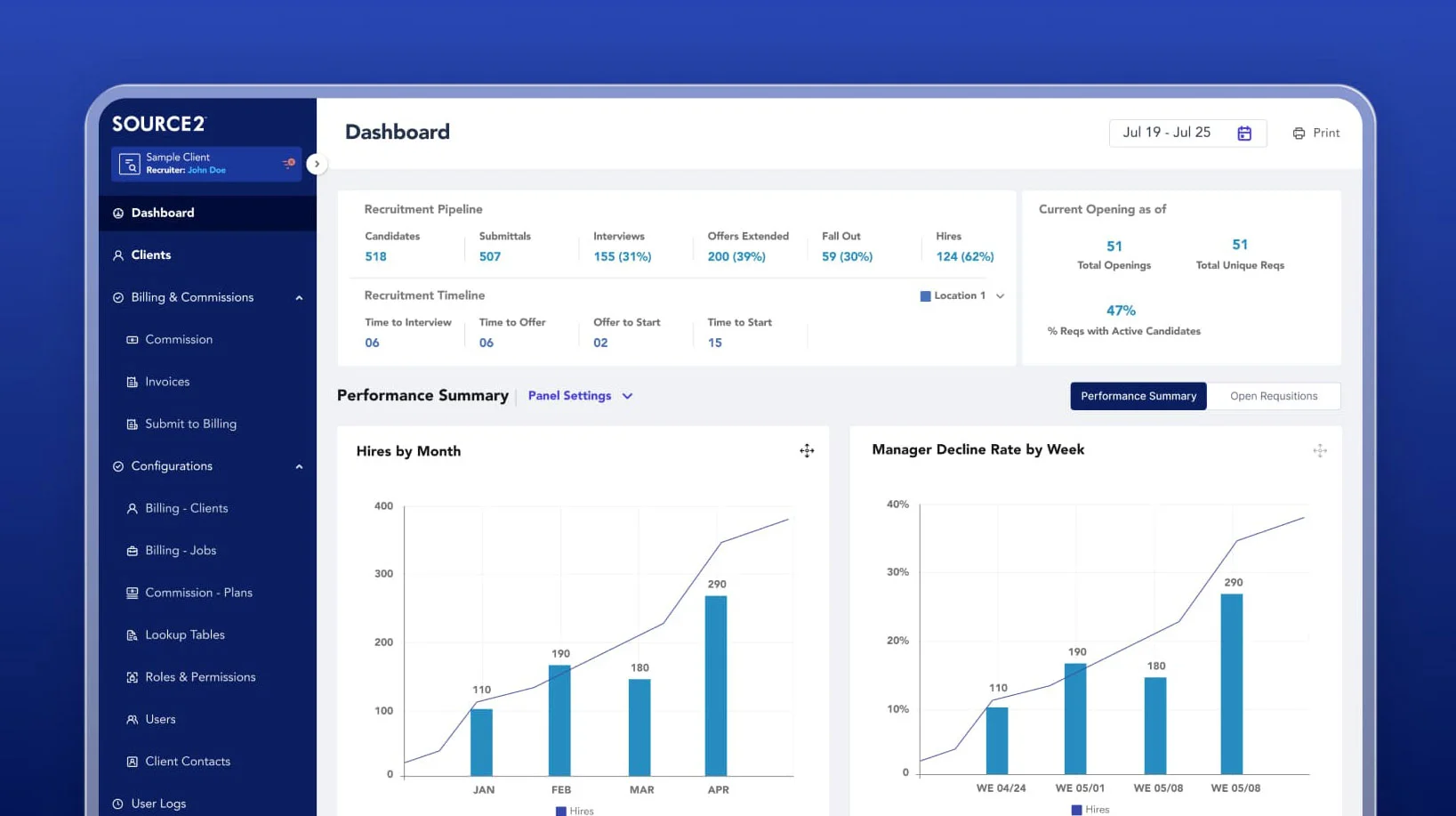

Source2 chose Code District to scale their engineering team and build a custom recruitment platform that enhanced operational visibility and cut manual work.


Skywatch brought in our agile engineering talent to build a custom, multilingual web platform that helped them scale quickly and slashed acquisition costs by 10x.
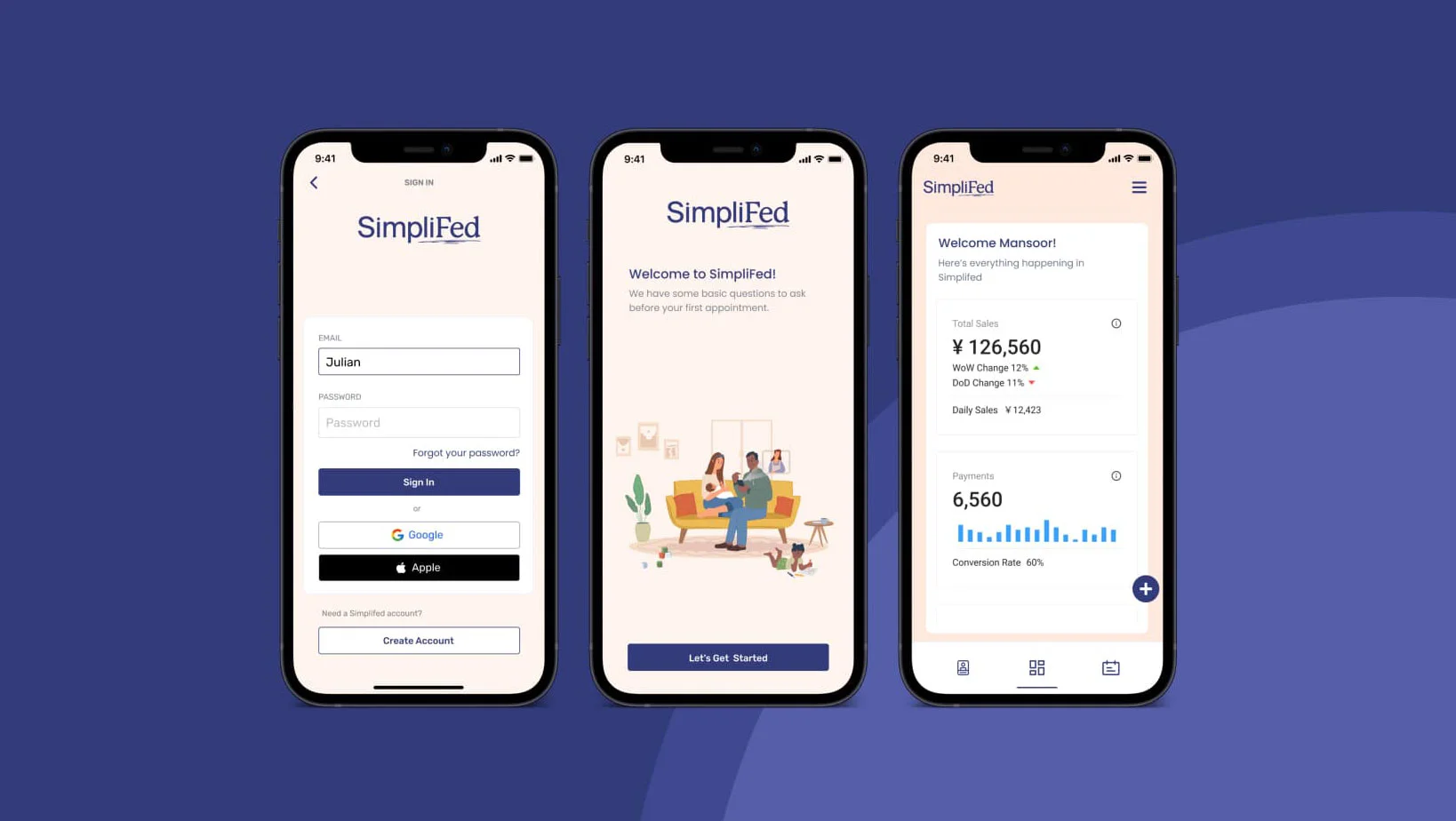

SimpliFed launched a HIPAA-compliant telehealth app that integrates Athena EMR and uses AI to match patients with providers efficiently by leveraging the expertise of our dedicated engineering team.


Caribbean Airlines processed claims 75% faster with a custom app built by our full-cycle development team that connected to their ticketing and reservation systems.
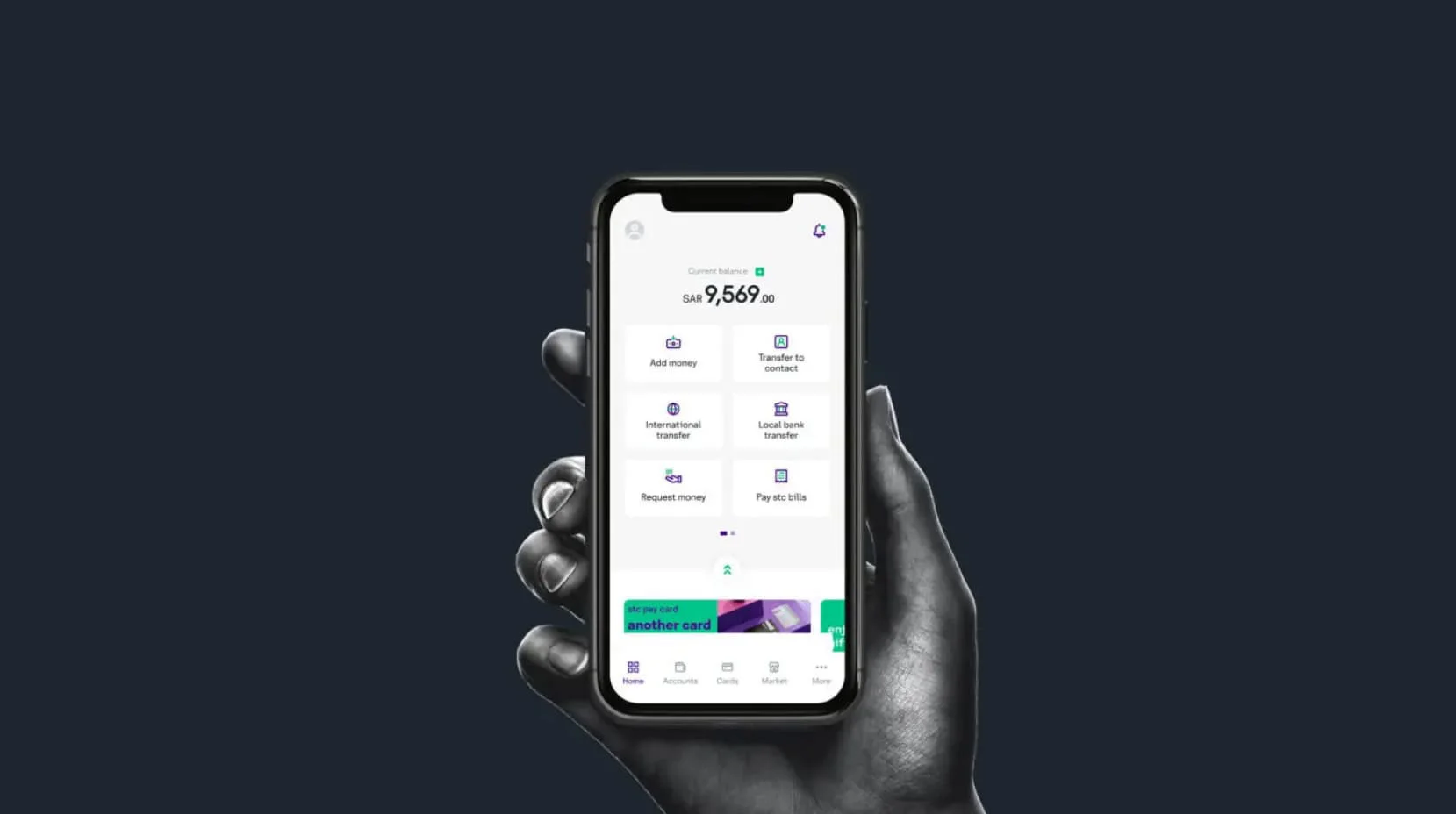

Saudi Telecom Bahrain partnered with our scalable tech team to develop a user-friendly mobile banking app, integrating multiple financial services for a seamless customer experience.


Heartbeat onboarded our AI engineers to build a HIPAA-compliant telehealth platform with AI chat support, EHR integration, and live consultations to improve patient care.
Hire Machine Learning Developers FAQs
Why should I hire machine learning experts for my business?
Machine learning has gauged the interest of SMEs and large enterprises over the years. Businesses have already begun investing in machine learning for its numerous benefits. Here are some benefits you can expect by hiring an ML engineer for your business:
- Use raw data to gain valuable insights to support decision-making.
- Analyze customer feedback and preferences to provide a more personal experience.
- Automate routine tasks to increase business efficiency.
- Forecast future outcomes by analyzing past data.
What are the best platforms to hire machine learning engineers?
The best platform depends on your needs:
- Code District is a company that helps businesses hire machine learning developers within 2–3 days. Moreover, they offer a 1-week risk-free trial period before a long-term partnership.
- Upwork is the largest freelance marketplace with thousands of ML engineers. Good for smaller projects where you can evaluate candidates yourself.
- LinkedIn is another best platform for direct recruiting and full-time hiring. Large professional network, but requires significant time investment in outreach and vetting.
How does Code District vet their machine learning engineers?
At Code District, we thoroughly vet machine learning engineers. We conduct technical interviews with thousands of talented candidates and select only the top 3% of ML developers.
We do not just evaluate their technical expertise; we evaluate their problem-solving and soft skills.
Moreover, we assess their cultural fit to ensure they align with company values. It helps us build a skilled and cohesive team.
How long does it take to hire machine learning developers from Code District?
You can hire machine learning developers within 2-3 days after our initial discussion about your requirements. We match you with the best candidates who fit your project needs, and you can then conduct interviews and choose the one you find perfect for your project.
How much does it cost to hire machine learning developers from Code District?
The cost of hiring machine learning developers from Code District starts from $20 per hour. However, the rates may reach $70 per hour, depending on the developer’s experience, the project’s complexity, and the specific technology stack required.
Have a Role to Fill? Say Hello to Get Matched
Drop us a message, and we will get back to you in no time.
First hire or fifth office, we have worked with all.
-
200+ pre-screened developers
Top 3% rigorously evaluated engineers, ready to start
-
96% match success rate
Most clients find their perfect hire on the first try
-
100+ brands (and counting) found their match
Let's make your story the next one we're proud of


