












-
Is LangChain Development Worth It?
Before you hire LangChain developers, it helps to understand where the technology stands.
LangChain has moved from an experimental open-source library to one of the most widely adopted frameworks for building production LLM applications.
Organizations across verticals are using it to connect language models to real data, build document Q&A systems, and automate research workflows that previously required significant manual effort.
The demand for developers who know LangChain well is growing faster than the supply. Most developers understand Python or JavaScript.
Far fewer understand how to design multi-step chains, manage token budgets, or build agents that behave reliably under edge cases.
For IT Directors evaluating AI investment, the practical question is whether LangChain provides a more viable path than building LLM integrations from scratch.
The answer, in most cases, is yes. The framework provides abstractions for memory, tool calling, retrieval, and prompt management that would otherwise require significant custom development.
Code District has implemented 30+ AI solutions in real-world production, and many clients choose to hire LangChain developers specifically for these projects.
The risk of hiring the wrong developer is real. Someone who has only worked with LangChain in tutorial settings will struggle with token optimization, production-grade retrieval, or debugging chain failures.
Whether you hire LangChain programmers through a platform, an agency, or direct sourcing, vetting for practical production experience is essential.
-
Use Cases of LangChain Across Diverse Verticals
LangChain is not a single-use framework. Its strength is connecting language models to your specific data and workflows.
Here is how different industries use it, and why organizations across sectors are choosing to hire LangChain developers now rather than waiting for the technology to mature further.
Healthcare
Healthcare organizations use LangChain to build internal knowledge assistants that answer clinician questions from proprietary clinical documentation.
RAG pipelines allow staff to query HIPAA-protected content without exposing it to external model training. Intake automation and discharge summary drafting are also common use cases.
Finance
Financial services firms use LangChain to build document review agents that parse contracts, earnings reports, and regulatory filings.
Agents can cross-reference multiple documents and flag discrepancies, reducing analyst time on repetitive extraction tasks.
Compliance monitoring pipelines that scan communications for policy violations are another growing application.
Legal
Law firms and legal technology companies use LangChain to build case research assistants.
Attorneys can query indexed case law and internal matter files using natural language, with citations returned in the response. Contract review and clause-extraction workflows significantly reduce drafting time.
Insurance
Insurers are deploying LangChain-based systems for claims-processing triage, policy Q&A for customer service teams, and underwriting data extraction from unstructured documents such as inspection reports and medical records.
Manufacturing and Logistics
Operations teams use LangChain to build maintenance knowledge bases that enable technicians to query equipment manuals and historical maintenance records.
Supply chain monitoring agents that synthesize data from multiple systems into plain-language status updates are gaining adoption.
-
Key Skills to Look for When Hiring a LangChain Developer
Not every Python developer can build a reliable LangChain application. When you hire LangChain developers, these are the specific competencies that separate capable engineers from those still learning the framework.
Chain and prompt architecture
A strong LangChain developer designs chains that are modular and testable. They understand when to use sequential chains versus router chains, and they write prompt templates that produce consistent outputs across different inputs.
RAG system design
Retrieval-augmented generation is one of the most common LangChain use cases. Look for developers who have built full RAG pipelines, including document loading, chunking strategy, embedding selection, vector store management, and retrieval quality evaluation.
Agent design and tool use
Building agents that actually work in production requires more than calling initialize_agent. Strong developers define tools clearly, handle parsing errors, set appropriate stopping conditions, and thoroughly test edge cases.
Vector store proficiency
A LangChain developer should have hands-on experience with at least 2 vector databases, such as Pinecone, Chroma, Weaviate, or FAISS. Understanding when to use dense versus sparse retrieval matters for accuracy.
LangSmith and observability
Production applications need tracing. Developers who have worked with LangSmith can instrument their chains, systematically evaluate outputs, and iterate on prompt quality with data rather than guesswork.
Python proficiency
LangChain mainly uses Python to build applications that work with LLMs. Strong Python skills, including async programming, error handling, and packaging, are a foundation for anything production-grade.
This is one of the first things to assess when you hire LangChain developers for complex projects.
API integration
Most LangChain applications connect to external APIs, databases, and cloud services. Experience integrating REST APIs, handling authentication, and managing rate limits is essential.
-
Understanding the Cost of Hiring LangChain Developers
Several factors drive the cost when you hire LangChain developers, and understanding them helps you plan your budget accurately.
Experience level
A junior LangChain developer who primarily works on predefined chains and basic RAG setups will cost less than a senior engineer who can architect multi-agent systems, optimize token usage at scale, and debug retrieval failures in production.
When you hire dedicated LangChain developers, matching experience level to actual project complexity saves budget.
Engagement model
Hourly engagements offer flexibility for short-term work or proof-of-concept projects. Monthly retainers provide cost predictability for ongoing development.
Project-based pricing works well when the scope is clearly defined upfront.
Geography
Developers based in North America or Western Europe charge higher rates than equally skilled engineers in other regions.
The Langchain developers at Code District charge between $30 and $70 per hour. This gives you access to pre-screened developers without paying high agency fees.
Project complexity
A simple document Q&A application using a single RAG chain costs less to build than a multi-agent system with tool integrations, custom memory management, and production monitoring.
Getting specific about your requirements before hiring helps accurately match developer skills to the budget.
Hidden costs to watch for
Hiring directly carries costs that don’t appear in the initial rate: recruiter fees, benefits, onboarding time, equipment, and the cost of a bad hire.
Code District’s matching process eliminates most of these. Clients working with us report a 30-40% reduction in costs compared to building and maintaining equivalent in-house capacity.
-
How LangChain Integrates with Your Existing Systems
One of the strengths of LangChain is its breadth of integrations.
When you hire LangChain developers through Code District, you get engineers who know how to connect your LangChain application to your existing systems.
In most cases, this only requires configuration and authentication, not building custom connectors from scratch.
LangChain provides native loaders for common document sources, including S3, SharePoint, Confluence, Google Drive, Notion, and web scraping.
If your knowledge base lives in one of these systems, ingestion is straightforward. Custom loaders can handle proprietary formats.
Database integration works through LangChain’s SQL and NoSQL chains.
These allow LLMs to query your databases using natural language, with the framework handling SQL generation and result formatting.
It is useful for internal reporting tools where users need answers from structured data without writing queries.
For API integrations, LangChain’s tool abstraction lets you wrap any API endpoint as a tool available to an agent.
Developers define the tool’s description, input schema, and error handling, and the agent decides when to call it based on the task at hand.
Authentication and security follow your existing standards.
LangChain applications authenticate to external services using the same credentials and patterns you use elsewhere, whether OAuth, API keys, or service account tokens. No new security model is required.
-
How long does it take to complete LangChain projects?
The timelines for the LangChain project vary more than those of most software projects. It is due to dependency on data quality, retrieval accuracy requirements, and how well-defined the use case is at the start.
Understanding this helps you set realistic expectations when you hire LangChain developers for production work.
A proof-of-concept RAG application, with a defined document set and a clear question type, can be built in two to four weeks.
This is enough to validate the core idea and identify the major technical risks before committing to a full build.
A production-ready internal knowledge assistant, including document ingestion pipelines, access control, user interface, and monitoring, takes eight to twelve weeks in most cases.
The bulk of that time is usually spent on retrieval quality and edge-case handling, not the initial build.
Multi-agent systems with tool integrations and custom memory management are more complex.
These projects run for 12 to 20 weeks, depending on the number of integrations, the reliability requirements, and the number of tools the agent needs to use correctly.
Timeline factors within your control include the clarity of requirements at project start, the availability of stakeholders for feedback during development, and the quality and organization of source data for RAG applications.
Well-prepared clients consistently see shorter delivery timelines.
Hire Langchain Developers
AI projects stall when you can’t find developers who know LangChain well enough to build production-ready systems. Hire LangChain developers who are ready to interview in 48 hours.
These experts are screened for real-world LLM application development.

-
Ali Ehsan

-
Laiba Sohail

-
Usama Saqib


High-caliber professionals ready to join your team!
Trusted by many organizations

Code District successfully launched our application on time. The team worked hard, adjusted to our schedule, and ensured our requests were turned around very quickly. They asked the right questions, used sound judgment, and made consistent progress, demonstrating strong technical skills and a driven attitude.

CTO, Skywatch


Code District was a hit. Their engineers were professional, communicative, and committed to delivering a well-thought-out solution. The best thing about them was their willingness to adapt, which made the process smooth and productive.

Head of IT Applications, Caribbean Airlines




One of the things that I really appreciate about Code District is that they work with you front stage in discovery sessions to help understand your needs and your requirements.

CEO & Founder, Simplifed


Code District knows and understands our business. Our teams have developed high-level of mutual trust and respect for one another. They have done a good job at being responsive and providing great support now that we’ve got users living and working in the system day in and day out.

COO, Source 2




Collaborating with team Code District was a great experience. They brought deep technical expertise and a problem-solving mindset to the development of our digital wallet platform. Their ability to integrate complex financial services while ensuring security and usability made a significant impact.

Head Of IT, STCPay Bahrain

Capabilities of Our LangChain Developers for Hire
How to Hire LangChain Developers in 3 Simple Steps
-
01. Discuss Requirements
Contact Code District representatives to discuss your project scope, feasibility, and budget. Our team will match you with LangChain developers who fit your specific technical requirements.
-
02. Interview the Shortlisted Candidates
Review profiles of 3-4 pre-screened LangChain developers. Conduct technical interviews, evaluate their chain design and agent-building experience, and select the best developer.
-
03. Onboard the Developer
Your selected developer joins your team within 48 to 72 hours. We handle contracts, NDAs, and administrative setup, so they can start contributing immediately.

Want to hire a Langchain developer?
Get matched with pre-vetted LangChain experts ready to start in 48 hours.
Hire Langchain developers with zero risks. Start your 1-week free trial today!
Start Now
Why You Should Hire LangChain Developers from Code District?
Hire LangChain developers to build production AI systems across healthcare, finance, and enterprise software. Our developers understand the architectural decisions that separate a working prototype from a system that holds up under real usage.
- Access to the top 3% of LangChain developers.
- Expertise in OpenAI, Hugging Face, and LangGraph.
- Quick onboarding (on average, within 2-3 days).
- Dedicated project manager at your service.
- Flexible hiring options with no hidden fees.
- Daily and weekly progress updates are provided.
- Developers are available to work in your time zone.
- Access to fluent English-speaking developers.
- Ensure project confidentiality with a signed NDA.
- Secure and compliant Langchain development.
What You Should Know Before Hiring LangChain Developers
Contents
Want to hire remote Langchain developers?
Stop spending weeks screening resumes and hire Langchain engineers 5X faster from our pre-vetted talent pool to avoid project delays.
Hire NowSuccess Stories that Prove We Mean Business
View all Work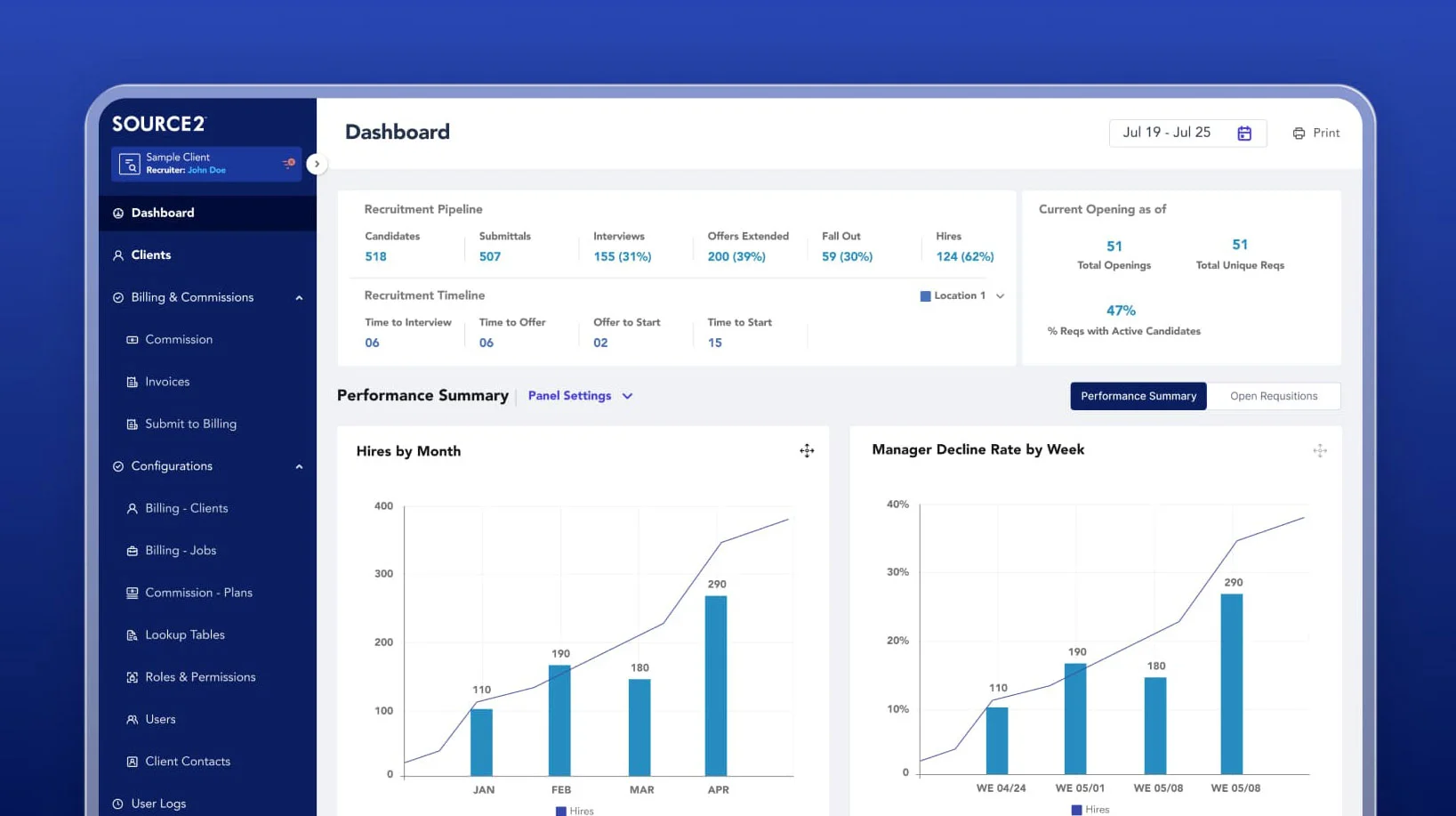

Source2 chose Code District to scale their engineering team and build a custom recruitment platform that enhanced operational visibility and cut manual work.


Skywatch brought in our agile engineering talent to build a custom, multilingual web platform that helped them scale quickly and slashed acquisition costs by 10x.
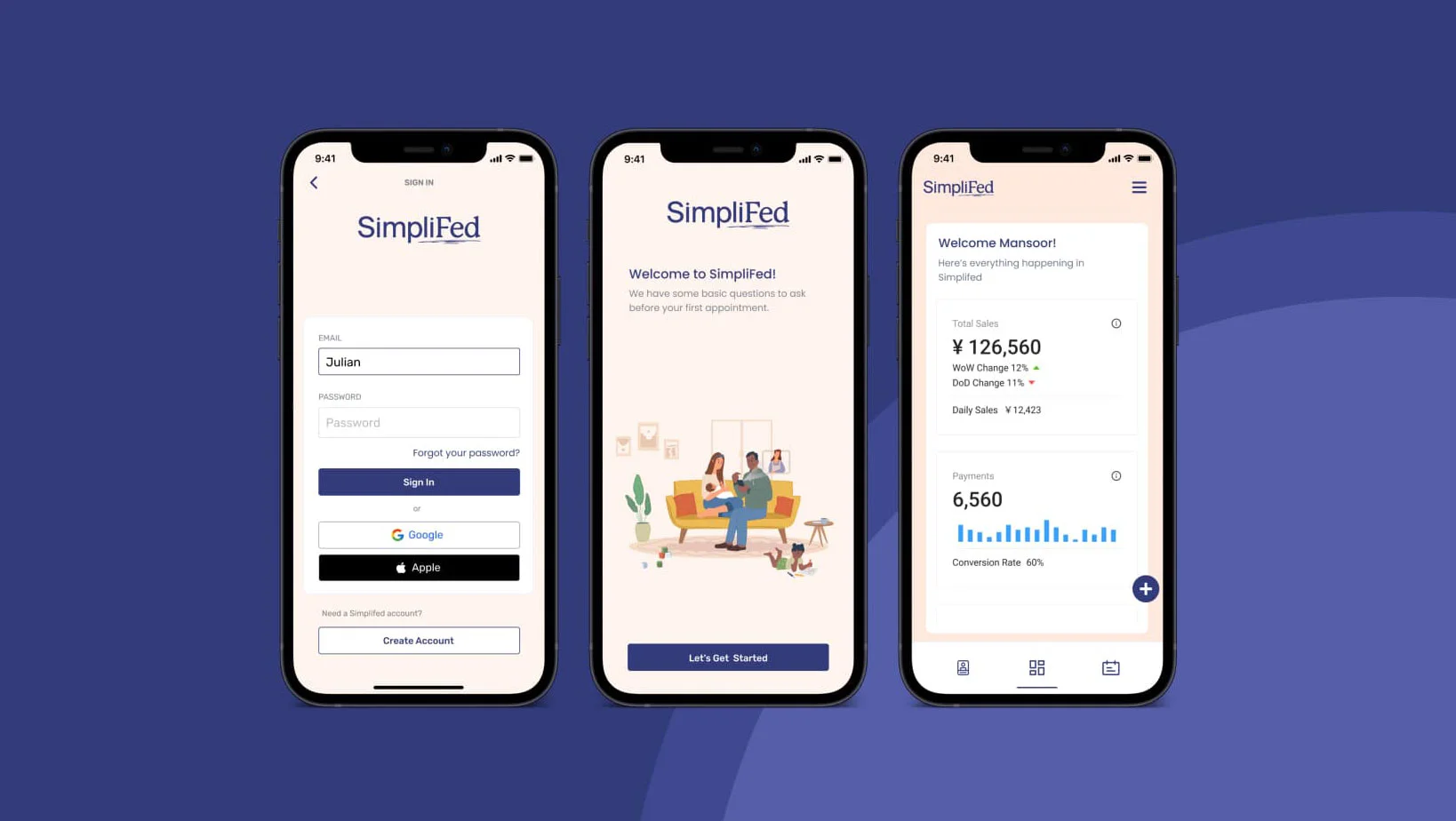

SimpliFed launched a HIPAA-compliant telehealth app that integrates Athena EMR and uses AI to match patients with providers efficiently by leveraging the expertise of our dedicated engineering team.


Caribbean Airlines processed claims 75% faster with a custom app built by our full-cycle development team that connected to their ticketing and reservation systems.
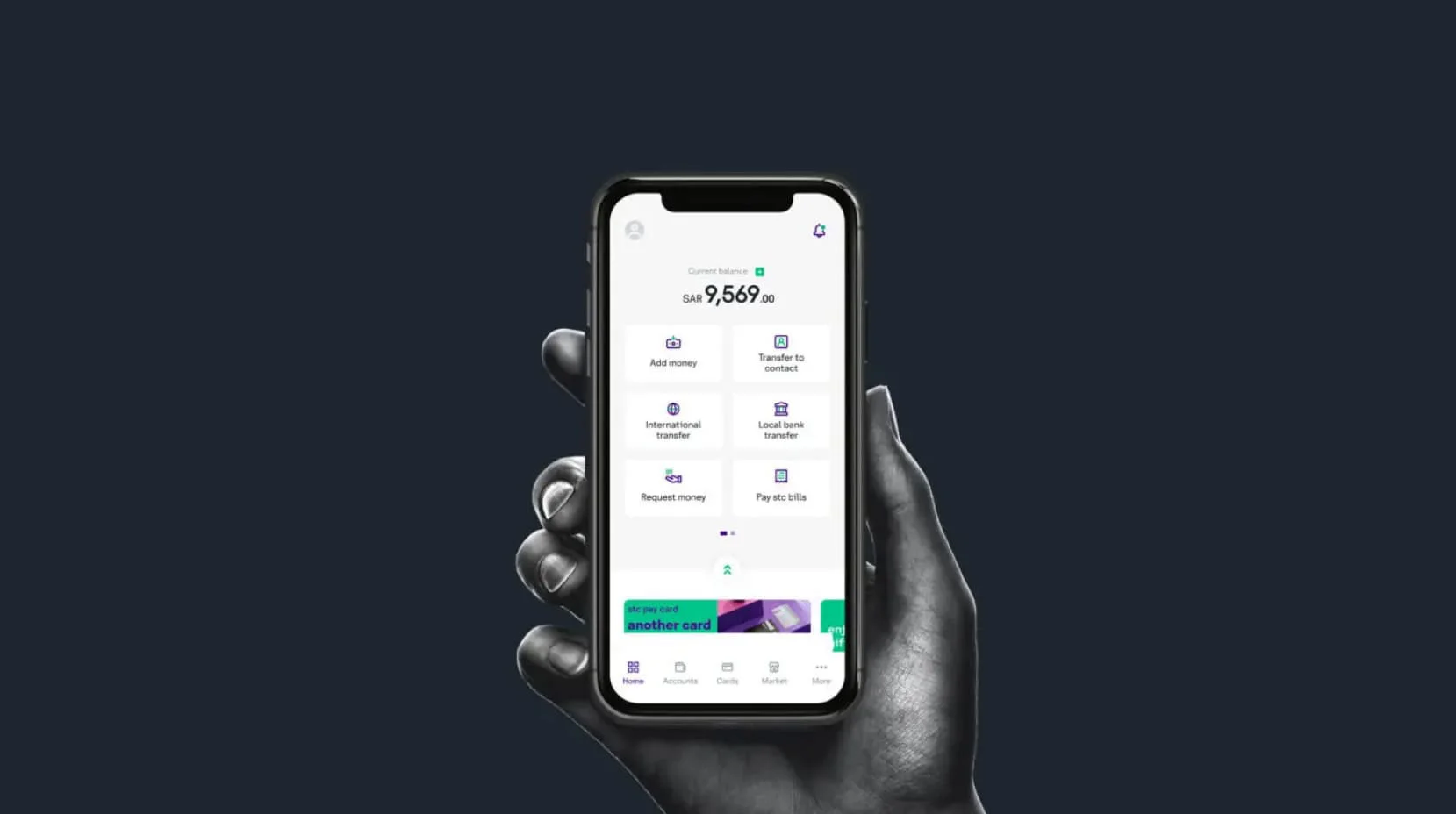

Saudi Telecom Bahrain partnered with our scalable tech team to develop a user-friendly mobile banking app, integrating multiple financial services for a seamless customer experience.


Heartbeat onboarded our AI engineers to build a HIPAA-compliant telehealth platform with AI chat support, EHR integration, and live consultations to improve patient care.
Hire Remote LangChain Developers FAQs
How can my business benefit from hiring LangChain developers?
When you hire LangChain developers, they build AI applications that connect large language models to your actual data and systems.
This translates into real-world capabilities such as internal knowledge search, document automation, and intelligent agents that handle structured workflows without manual intervention.
Which technologies do your LangChain developers specialize in?
Companies that hire LangChain experts from Code District get engineers who work with OpenAI, Anthropic, and open-source models through LangChain and LangGraph.
They have hands-on experience with Pinecone, Chroma, FAISS, and Weaviate for vector storage, and they build API integrations using FastAPI deployed on AWS or Azure.
How does Code District vet its LangChain developers?
Each developer passes a multi-stage assessment covering Python proficiency, chain architecture, RAG design, and a practical LangChain coding challenge.
Only the top 3% of applicants reach the interview stage. When you hire LangChain developers through Code District, you’re interviewing engineers who have already cleared this bar.
We also evaluate communication skills and experience with production deployments.
Why hire LangChain developers from Code District instead of building an in-house team?
Building an in-house team for a specialized skill like LangChain development takes months and carries significant hiring risk.
Code District lets you hire LangChain developers in 48 hours, with pre-screened engineers ready to interview. Clients report a 30% reduction in technology costs compared to equivalent in-house capacity.
How long does it take to hire LangChain developers from Code District?
Most clients who hire LangChain developers through Code District interview shortlisted candidates within 48 hours of contacting us. Once you select a developer, onboarding completes in two to three business days.
How much does it cost to hire LangChain developers?
You can hire Langchain developers at $30 to $70 per hour from Code District. They offer flexible engagement options, including hourly billing, a monthly engagement plan, and fixed project-based pricing.
Have a Role to Fill? Say Hello to Get Matched
Drop us a message, and we will get back to you in no time.
First hire or fifth office, we have worked with all.
-
200+ pre-screened developers
Top 3% rigorously evaluated engineers, ready to start
-
96% match success rate
Most clients find their perfect hire on the first try
-
100+ brands (and counting) found their match
Let's make your story the next one we're proud of


