













-
Is IBM Informix Development Still Worth It?
IBM Informix has been in production since 1980 and continues to run core operations for banks, insurance companies, hospitals, and government agencies worldwide.
IBM continues to release updates, which confirms the platform isn’t going away quietly.
For organizations relying on Informix, the business case isn’t about choosing a new database. It’s about keeping a stable system running without paying a premium for increasingly rare expertise.
The demand for qualified Informix developers for hire has stayed consistent because the developer pool has shrunk.
Most newer engineers haven’t trained on Informix. That means companies with Informix systems often wait months to fill roles through traditional hiring channels.
Working with a specialized partner like Code District shortens that wait. You get access to engineers who have already been assessed on Informix-specific skills.
For IT Directors managing tight budgets, this matters. The cost of a prolonged vacancy on a critical database role is rarely zero.
Systems degrade, migrations stall, and internal teams get pulled away from other priorities to cover the gap.
-
Use Cases of Informix Across Diverse Verticals
IBM Informix wasn’t designed as a general-purpose database. It was built for high-throughput transaction processing, time-series data, and workloads where reliability under concurrent access matters more than flashy tooling. That origin still shapes where it appears today.
Financial Services
Core banking systems at regional banks and credit unions continue running on Informix because the cost and risk of migration outweigh the benefits.
Transaction logs, account ledgers, and audit trails all reside in Informix tables that developers must maintain, tune, and sometimes extend.
Healthcare
Patient record systems built in the 1990s and early 2000s often sit on Informix backends. These systems are integrated with billing, scheduling, and clinical workflows.
Touching them requires developers who understand both the data model and the compliance constraints around PHI.
Insurance
Policy administration platforms, claims processing systems, and underwriting tools in the insurance sector frequently depend on Informix. The combination of complex queries and high read/write volume makes Informix a stable fit.
Manufacturing and Logistics
ERP systems and warehouse management tools at mid-market manufacturers often have Informix databases at their core. Inventory tracking, order processing, and production scheduling data all flow through these installations.
Government and Public Sector
State and municipal agencies built systems on Informix during large IT investments in the 1990s. Replacing them carries political and budget risk, so maintenance and incremental modernization are more common than full replacement.
In each case, the need for dedicated Informix developers isn’t disappearing. It’s just harder to meet through standard channels.
-
Key Skills to Look for When You Hire an Informix Developer
Not every SQL developer is equipped to work on IBM Informix.
The platform has its own dialect, its own administrative tools, and its own set of behaviors that differ from those of PostgreSQL, MySQL, or SQL Server.
When evaluating candidates, there are specific areas worth probing.
Core SQL and SPL Proficiency
Informix uses Stored Procedure Language (SPL) for server-side logic. Developers need to write, debug, and optimize SPL procedures — not just standard SQL. Ask for examples of SPL code they’ve written and what performance issues they solved.
ONBAR and ONTAPE Backup Tools
IBM Informix has its own backup utilities. Developers working in production environments need practical experience with onbar for continuous log backup and ontape for archive backup.
Theoretical knowledge isn’t enough here.
Buffer Pool and Memory Tuning
Informix performance is heavily influenced by how buffer pools, shared memory segments, and chunk configurations are set.
Developers with real tuning experience will be able to describe the decisions they made and why.
IDS Architecture Understanding
IBM Informix Dynamic Server (IDS) handles concurrency, locking, and data storage differently than other databases.
Developers should understand how IDS manages transactions, what dbspaces and chunks are, and how to monitor engine activity.
Version-Specific Knowledge
Informix 11.x, 12.x, and 14.x each have notable differences. Developers who understand which features were introduced in each version bring real value.
They also know which behaviors changed over time. This practical knowledge goes beyond general database skills.
When you hire remote Informix developers through Code District, these areas are all part of the vetting process before any candidate reaches you.
-
Understanding the Cost of Hiring Informix Developers
Informix developer rates vary considerably depending on region, engagement model, and experience level. Here’s a practical breakdown to help you set realistic expectations.
By Region
North America (US and Canada)
Senior Informix developers in the US typically bill between $90 and $150 per hour for contract work.
Full-time equivalent roles in major metro areas often range from $110,000 to $145,000 annually. Canadian rates tend to run 15–25% lower.
Western Europe (UK, Germany, Netherlands)
Contract rates in the UK range from £70 to £110 per hour for experienced Informix professionals.
Germany and the Netherlands tend to track slightly below UK rates, depending on the specific skill set required.
Eastern Europe (Poland, Romania, Ukraine)
Remote engagement rates for experienced developers in this region typically range from $35 to $65 per hour. Quality varies, so vetting is especially important here.
South Asia (India, Pakistan)
Hourly rates for qualified Informix developers typically range from $20 to $45 per hour.
As with any remote hire, it is important to verify real Informix experience. Do not rely on general SQL knowledge alone. A proper technical assessment should confirm their expertise.Latin America (Colombia, Argentina, Brazil)
This region has grown as a nearshore option for US companies. Rates typically range from $30 to $60 per hour, with time zone alignment being a practical benefit.
Factors That Drive Cost Up or Down
The version of Informix your environment runs matters. Developers with hands-on IDS 14.10 experience are harder to find than those familiar with older versions, which affects pricing.
Compliance requirements (HIPAA, SOC 2, PCI-DSS) also add to the expected rate, as do migration projects that require both Informix expertise and knowledge of the target platform.
The engagement model significantly affects the total cost. Monthly retainers for dedicated developers for hire typically work out cheaper per hour than short-term project contracts, once you factor in the time spent sourcing and onboarding.
Hourly pricing at Code District starts at $25 and goes up to $49. The final rate depends on the engagement structure, experience level, and project scope.
That range sits below most North American or Western European contract rates while maintaining the technical bar through pre-screening.
-
What to Expect: Informix Project Timelines
Timeline estimates for Informix projects vary based on complexity, but there are useful reference points for the most common engagement types.
Maintenance and Support Engagements
Ongoing support for a live Informix environment can begin within a week of onboarding, once the developer has reviewed your setup documentation and gotten access to the environment.
Budget for a 1–2 week orientation period for any incoming developer.
Performance Tuning Projects
A focused performance audit reviews your index strategy, buffer pool configuration, and slow query logs.
For a single Informix instance, this process usually takes 2 to 4 weeks. Remediation work runs separately and depends on the number of issues identified.
ETL and Integration Projects
Building a new data pipeline from Informix to a reporting system or cloud data warehouse takes 4–8 weeks, depending on data volume, transformation complexity, and the number of source tables involved.
Migration Off Informix
This is the most variable category. A straightforward migration of a single application database to PostgreSQL or SQL Server might take 3–4 months.
A complex, multi-application migration with live cutover requirements can run 9–12 months or longer.
Application Modernization
Updating application layers that connect to Informix can take time. This may include replacing legacy ESQL/C calls with JDBC or refactoring stored procedures for a new backend.
The process usually takes 2 to 6 months, depending on the application size and test coverage.
For all project types, IT Directors should plan for a discovery phase before committing to a final timeline.
Informix environments often have undocumented dependencies that surface only after an initial review.
-
How to Measure Informix Developer Success
Once you hire dedicated Informix developers, having clear performance indicators makes the engagement measurable and easier to manage.
Vague expectations are the most common source of friction in technical engagements.
Query and Procedure Performance
For tuning-focused work, the baseline is the query execution time before the engagement starts. Track average response times for the 10–20 most critical queries and measure improvement after tuning work is complete.
System Uptime and Incident Rate
For support engagements, track how often the Informix environment causes production incidents before and after the engagement begins. A drop in incident rate over 60–90 days is a reliable indicator of effective maintenance work.
Migration Milestone Completion
For migration projects, agree on milestones before work begins. Schema conversion complete, data migration complete, parallel run validation complete, and cutover complete are the standard gates.
Tracking against these milestones keeps the project on course.
Code Quality Indicators
For development work, peer code review feedback, the number of regression issues introduced, and documentation quality are all useful signals. Developers who document their SPL procedures and data models make the codebase maintainable by future engineers.
Communication and Responsiveness
For remote Informix developers for hire, response time during business hours and quality of status updates are practical quality indicators. Daily async updates and weekly check-ins should be the minimum standard for any engagement.
Hire Informix Developers
Hire Informix developers to maintain your legacy Informix environment, migrate off IBM Informix, or build new integrations. Our Informix developers work in the US and European time zones and are ready to start contributing to your project within 48 hours.

-
Ali Ehsan

-
Laiba Sohail

-
Usama Saqib


High-caliber professionals ready to join your team!
Trusted by many organizations

Code District successfully launched our application on time. The team worked hard, adjusted to our schedule, and ensured our requests were turned around very quickly. They asked the right questions, used sound judgment, and made consistent progress, demonstrating strong technical skills and a driven attitude.

CTO, Skywatch


Code District was a hit. Their engineers were professional, communicative, and committed to delivering a well-thought-out solution. The best thing about them was their willingness to adapt, which made the process smooth and productive.

Head of IT Applications, Caribbean Airlines




One of the things that I really appreciate about Code District is that they work with you front stage in discovery sessions to help understand your needs and your requirements.

CEO & Founder, Simplifed


Code District knows and understands our business. Our teams have developed high-level of mutual trust and respect for one another. They have done a good job at being responsive and providing great support now that we’ve got users living and working in the system day in and day out.

COO, Source 2




Collaborating with team Code District was a great experience. They brought deep technical expertise and a problem-solving mindset to the development of our digital wallet platform. Their ability to integrate complex financial services while ensuring security and usability made a significant impact.

Head Of IT, STCPay Bahrain

Core Competencies of Our Informix Developers for Hire
How to Hire Informix Developers in 3 Simple Steps
-
01. Discuss Requirements
Contact Code District representatives to discuss your project scope, feasibility, budget, and other essential requirements.
-
02. Interview the Shortlisted Candidates
We match you with 3–4 Informix developers for hire. Average time to match is 48 hours. Conduct interviews and select the best fit.
-
03. Onboard the Developer
Once you choose the best Informix developer, they start working on your project right away, while we handle contracts and onboarding.

Want to hire an Informix developer?
Stop searching job boards. Our pre-vetted Informix developers are ready to interview now.
Hire Informix developers with zero risks. Start your 1-week free trial today!
Start Now
Why Top Companies Hire Informix Developers from Code District
Informix expertise is hard to source. Most generalist platforms list SQL developers with no real experience with IBM Informix.
The Informix developers at Code District have hands-on experience with Informix 11.x, 12.x, and 14.x environments across industries such as healthcare, finance, and manufacturing.
- Access to the top 3% of pre-screened Informix developers for hire
- Expertise in *nix environments, database design and modeling, and scripting
- Quick onboarding (on average, within 2-3 days)
- Dedicated project manager at your service
- Flexible hiring options with no hidden fees
- Daily and weekly progress updates are provided
- Developers are available to work in your time zone
- Access to fluent English-speaking developers
- Ensure project confidentiality with a signed NDA
- Secure and compliant Informix development
Essential Guide to Hiring Informix Developers
Want to hire remote Informix developers?
Stop spending weeks screening resumes and hire Informix engineers 5X faster from our pre-vetted talent pool to avoid project delays.
Hire NowSuccess Stories that Prove We Mean Business
View all Work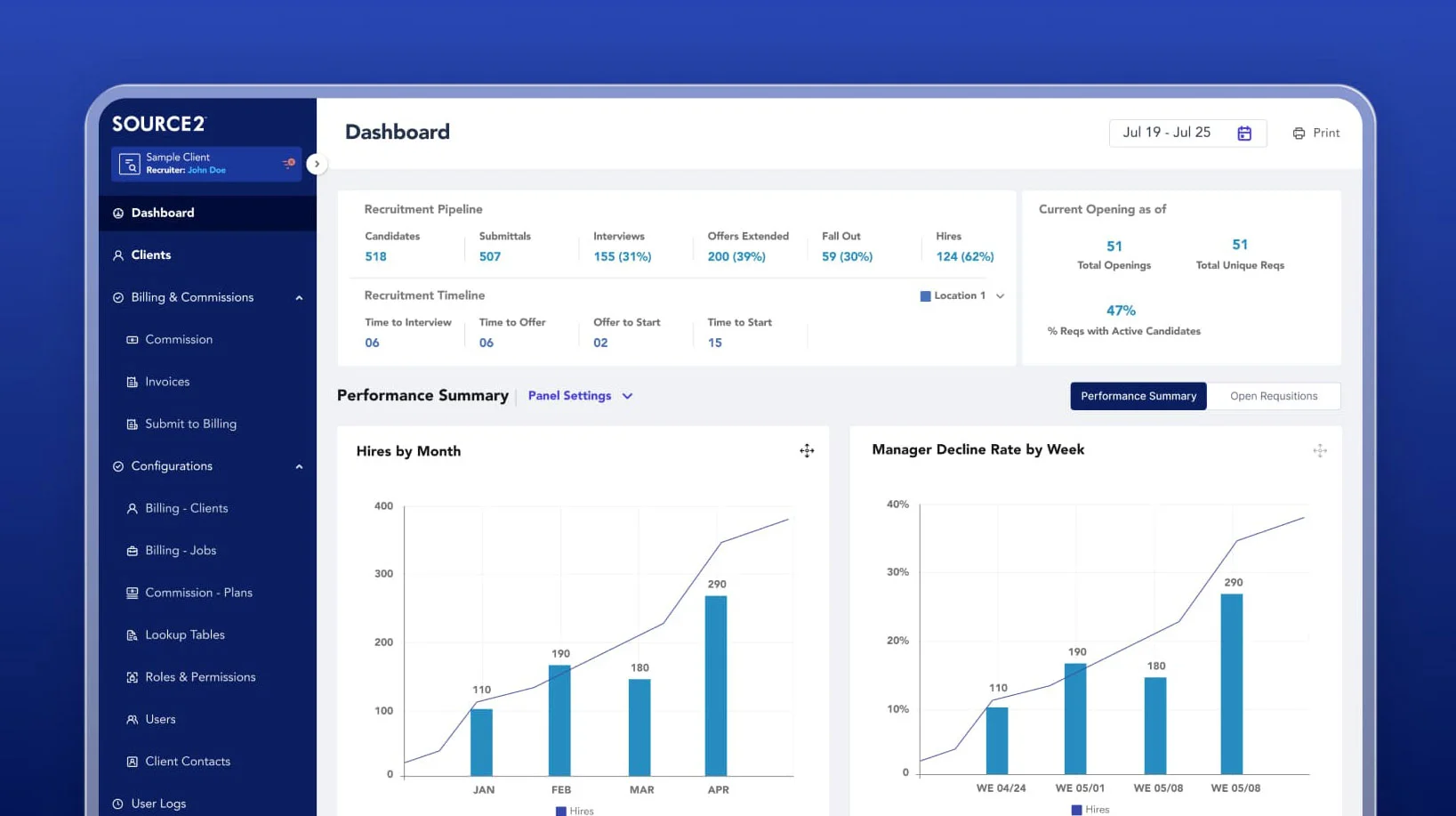

Source2 chose Code District to scale their engineering team and build a custom recruitment platform that enhanced operational visibility and cut manual work.


Skywatch brought in our agile engineering talent to build a custom, multilingual web platform that helped them scale quickly and slashed acquisition costs by 10x.
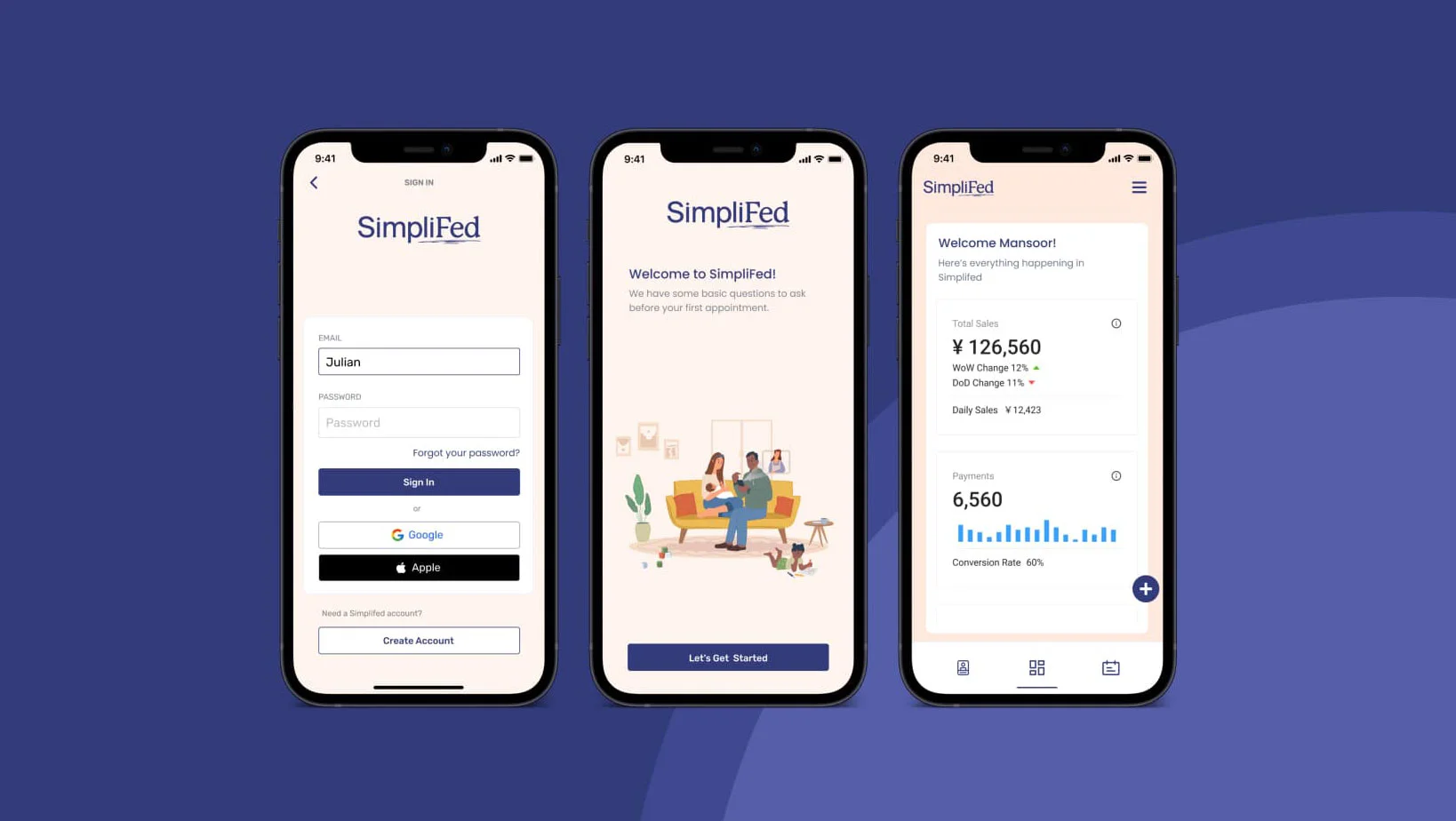

SimpliFed launched a HIPAA-compliant telehealth app that integrates Athena EMR and uses AI to match patients with providers efficiently by leveraging the expertise of our dedicated engineering team.


Caribbean Airlines processed claims 75% faster with a custom app built by our full-cycle development team that connected to their ticketing and reservation systems.
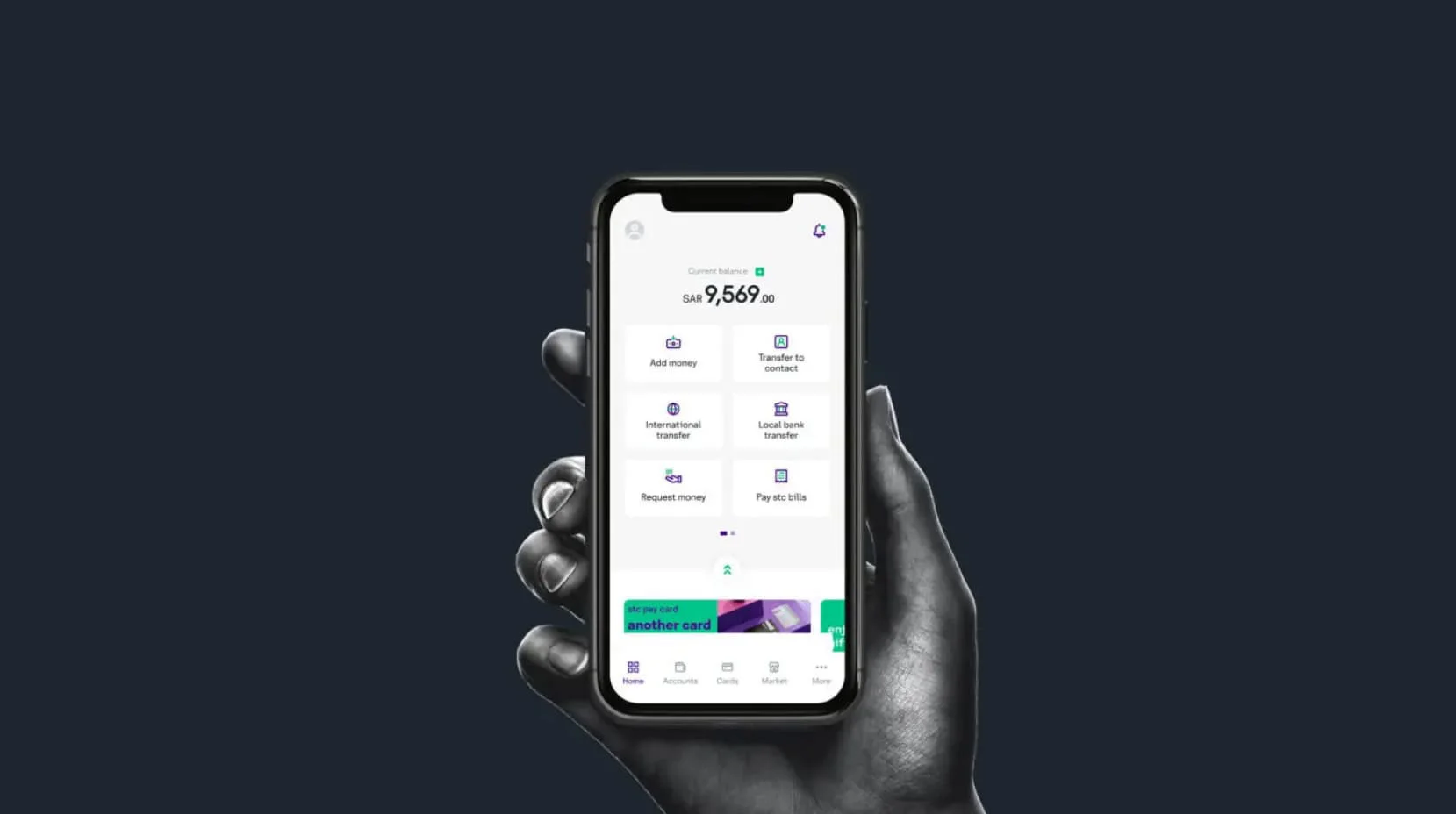

Saudi Telecom Bahrain partnered with our scalable tech team to develop a user-friendly mobile banking app, integrating multiple financial services for a seamless customer experience.


Heartbeat onboarded our AI engineers to build a HIPAA-compliant telehealth platform with AI chat support, EHR integration, and live consultations to improve patient care.
Hire Informix Developers FAQs
How can my business benefit from hiring a dedicated Informix developer?
A dedicated developer keeps your Informix environment stable, prevents unplanned downtime, and handles the performance and maintenance work your internal team doesn’t have time for. This reduces risk on a critical system without a full-time hire.
Which Informix versions and tools do your developers work with?
Our developers have hands-on experience with IBM Informix 11.x, 12.x, and 14.x, including IDS administration, SPL development, onbar and ontape backup tools, and JDBC/ODBC integration. Version-specific experience is confirmed during technical vetting.
How does Code District vet Informix developers?
Every developer completes a multi-stage assessment: a written technical screen covering Informix-specific concepts, a practical SQL and SPL coding test, and a communication interview. Only the top 3% of applicants move forward to client introductions.
Why hire Informix programmers from Code District instead of building an in-house team?
Informix expertise is rare. In-house hiring typically takes 8–14 weeks for a specialized database role. Code District delivers interview-ready candidates in 48 hours, with no long-term employment overhead and flexible engagement options.
How quickly can an Informix developer start once selected?
After you choose a candidate, onboarding takes 2–3 business days. We handle contracts, NDA signing, and access setup. Your developer begins contributing to the project within the first week.
How much does it cost to hire remote Informix developers from Code District?
Code District’s hourly rates start at $25–$49/hr, depending on experience level and engagement type. Monthly dedicated engagements are often more cost-effective than short-term contracts for ongoing support work.
Have a Role to Fill? Say Hello to Get Matched
Drop us a message, and we will get back to you in no time.
First hire or fifth office, we have worked with all.
-
200+ pre-screened developers
Top 3% rigorously evaluated engineers, ready to start
-
96% match success rate
Most clients find their perfect hire on the first try
-
100+ brands (and counting) found their match
Let's make your story the next one we're proud of


