











-
Is Embedded Software Development Worth the Investment?
The embedded systems market has been growing steadily for several years and shows no signs of slowing.
The global embedded systems market has grown consistently over the past decade and is projected to continue expanding.
It is driven by automotive electrification, industrial IoT, and smart consumer devices.
For companies building connected products, the cost of poor firmware is measurable.
A field defect in deployed hardware costs orders of magnitude more to fix than a bug caught in development.
Device recalls, failed over-the-air updates, and security vulnerabilities in firmware have cost companies millions in remediation, legal exposure, and brand damage.
When you hire embedded software developers with the right skills early, you reduce those risks. The return on investment comes from:
- Fewer hardware revisions caused by firmware oversights during PCB bring-up
- Faster time to market when firmware development keeps pace with hardware design
- Lower field support costs when devices behave predictably after deployment
- Reduced security risk when developers follow secure boot and encryption practices from day one
Embedded software development is not a commodity.
The engineers who write firmware for a Cortex-M4 microcontroller running bare-metal code are solving a different class of problem than web or mobile developers.
Specialized skills command higher rates, and the cost of hiring the wrong engineer, either through slow vetting or poor skill matching, consistently exceeds the cost of doing it right the first time.
-
Use Cases for Embedded Software Developers Across Industries
Embedded software development spans nearly every sector that ships physical products.
Before you hire an embedded programmer, it helps to understand which specific skills your industry requires.
Industrial Automation and Manufacturing
PLC-adjacent firmware, motor control algorithms, and SCADA-connected edge devices. Industrial environments demand deterministic real-time performance.
Developers working in this space need experience with fieldbus protocols such as CAN, Profibus, and EtherCAT, as well as safety standards such as IEC 61508.
Medical Devices
FDA-regulated devices require firmware developed in accordance with IEC 62304 software lifecycle standards.
This includes requirements traceability, design history files, and validation documentation. Developers need to write code that is safe, verifiable, and auditable.
Embedded software for infusion pumps, patient monitors, and diagnostic devices operates in environments where a software failure has direct consequences for patient safety.
Automotive Systems
AUTOSAR-compliant software components, CAN/LIN/FlexRay communication stacks, and MISRA C compliance are standard requirements.
With the rise of electric vehicles and ADAS systems, automotive embedded development has expanded significantly.
ISO 26262 functional safety certification is now a requirement for many ECU software developers.
IoT and Smart Devices
Consumer IoT products balance power consumption, wireless connectivity, and over-the-air update capability.
Developers work with BLE 5.x, Thread, Zigbee, and Matter protocols.
Cloud connectivity through AWS IoT Core or Azure IoT Hub adds a software layer that requires developers to understand both embedded constraints and cloud architecture.
Defense and Aerospace
DO-178C for airborne software, MIL-STD-1553 data bus interfaces, and radiation-hardened processor support. These environments require rigorous documentation, formal verification, and long-term software support cycles.
-
Key Skills to Look for When You Hire Embedded Software Developers
Not all embedded developers are interchangeable.
The skills required for an RTOS-based industrial controller are different from those needed for a BLE-enabled consumer wearable.
When evaluating candidates, look for these core competencies.
Microcontroller and Processor Architecture Knowledge
Candidates should understand the specific architecture your hardware uses. The ARM Cortex-M series is the most common in commercial products, but RISC-V adoption is growing.
AVR, PIC, and DSP-specific processors appear in cost-sensitive and legacy designs. Ask candidates to explain the cache architecture, interrupt latency, and memory-mapped I/O for the platforms they claim to support.
C and C++ Proficiency
C is still the dominant language for embedded development. C++ is increasingly used in higher-resource systems where object-oriented design improves maintainability.
Assess candidates on pointer arithmetic, volatile keyword usage, memory alignment, and bit manipulation.
Knowing when NOT to use dynamic memory allocation in a resource-constrained system is a sign of real embedded experience.
Debugging Tools and Methodology
JTAG/SWD debug interfaces, GDB with hardware probes (J-Link, ST-Link), oscilloscopes, and logic analyzers are standard tools.
A developer who has only debugged with printf statements will struggle when no UART is available on a deployed device.
RTOS Configuration and Task Design
FreeRTOS is the most widely deployed RTOS in commercial products. Candidates should understand task priority inversion, mutexes vs semaphores, stack sizing, and watchdog timer integration.
For safety-critical systems, SAFERTOS or AUTOSAR OS may be required.
Communication Protocol Implementation
At a minimum, candidates should have hands-on experience with I2C, SPI, and UART.
Depending on your product, you may also need CAN bus, USB Device/Host, Ethernet with lwIP, or wireless protocol stacks.
Build Systems and Version Control
CMake, Makefile, or vendor-specific IDEs (STM32CubeIDE, MPLAB X, IAR Embedded Workbench).
Git-based version control with branching strategies appropriate for hardware/firmware co-development is expected on any professional team.
-
Embedded Software Development Methodologies and Best Practices
Embedded development has historically lagged behind web and mobile in adopting modern software engineering practices. That gap has been closing.
The best embedded teams now use Agile-inspired workflows adapted for hardware constraints.
Hardware and firmware development happen in parallel on most modern products. This requires firmware developers to work against hardware simulators or early prototypes while waiting for final silicon.
Feature branches allow firmware to diverge during bring-up and merge cleanly once the hardware target is stable.
Continuous integration for embedded is more complex than for web software, but it is achievable.
Emulators like QEMU allow automated unit and integration tests to run in a CI pipeline before hardware is available.
Hardware-in-the-loop (HIL) test systems automate regression testing against real hardware once it arrives.
Documentation practices matter more in embedded than in most other domains.
Because hardware and software are co-dependent, a change in a peripheral’s default register state can silently break firmware.
Register maps, pin assignments, and hardware errata must be tracked and linked to software changes.
Code review processes should include both software correctness and hardware awareness.
Reviewers should flag issues such as unsigned integer overflow in interrupt handlers, missing volatile qualifiers on memory-mapped registers, and incorrect byte-order handling in protocol implementations.
-
How Embedded Software Integrates with Your Existing Systems
Hiring embedded software developers for hire is rarely just about the firmware itself.
Whether you need an embedded programmer for hire on a short-term project or a long-term team member, modern embedded products sit at the intersection of hardware, cloud services, and enterprise systems.
Integration complexity is consistently underestimated.
Cloud Connectivity
Most IoT products send telemetry to a cloud backend and receive configuration or firmware updates in return.
Developers need to implement MQTT or HTTPS clients within the memory and processing constraints of the target MCU. AWS IoT Core, Azure IoT Hub, and Google
Cloud IoT are the most common target.
Each has its own certificate management, device shadow, and over-the-air update mechanisms.
Mobile App Integration
Consumer and healthcare devices commonly pair with a mobile app via BLE.
The embedded developer needs to define the GATT profile and service UUIDs, implement pairing and bonding, handle connection parameter negotiation, and provide a clear API contract to the mobile team.
Enterprise Backend Integration
In industrial settings, embedded devices may report to a SCADA system, ERP, or MES. OPC-UA is the industrial standard for this layer.
Developers need to understand the enterprise data model requirements and implement them within the embedded device’s capabilities.
Legacy Hardware Compatibility
Many companies need to add firmware to hardware that was designed years ago.
This requires reverse-engineering existing communication protocols, adding new features without breaking backward compatibility, and, in many cases, writing firmware that bridges old hardware to modern cloud infrastructure.
-
Understanding the Cost of Hiring Embedded Software Developers
The cost to hire embedded software developers varies widely by region, experience level, engagement model, and technical specialization.
Below is a general overview to help you plan your budget.
By Region
North American embedded software developers charge the highest rates, with senior engineers in the United States ranging from $100 to $150 per hour for independent contractors.
Western European rates run slightly lower, generally from $75 to $120 per hour for senior talent. Eastern European developers offer strong technical skills at rates between $30 and $60 per hour.
South and Southeast Asian markets offer the widest range, from $20 to $50 per hour, depending on specialization and platform experience.
By Experience Level
Junior developers (0 to 2 years) handle driver porting, documentation, and testing tasks but need mentorship on architecture decisions.
Mid-level developers (3 to 5 years) own feature development and can work independently on well-defined problems.
Senior developers (6+ years) drive architecture, review code, and handle the bring-up of new hardware platforms.
Principal engineers add system-level design and cross-functional technical leadership.
By the Engagement Model
Full-time dedicated developers (40 hours per week, monthly retainer) offer the best value for sustained development.
Part-time engagements (20 hours per week) suit companies adding firmware capability alongside existing engineering work.
Project-based engagements work well for defined scopes with clear deliverables.
Factors That Drive Cost Up
Regulatory compliance requirements (IEC 62304, ISO 26262, DO-178C) add significant documentation and process overhead.
Safety-critical certifications require developers who understand formal verification, design history files, and traceability matrices.
Real-time performance requirements and security certification (PSA Certified, FIPS 140-2) also add to cost.
-
What to Expect: Embedded Software Project Timelines
Timeline planning for embedded software projects is complex because firmware development is tightly coupled to hardware availability.
Understanding the typical phases helps set realistic expectations before you hire embedded software developers.
Hardware Bringup (2 to 4 weeks)
The first firmware milestone is getting the board to boot, confirming clock configurations, initializing memory, and validating power sequencing.
This phase is heavily dependent on hardware stability. Frequent design revisions can significantly extend this phase.
Driver and Peripheral Development (4 to 8 weeks)
Each peripheral on the board needs a driver: display controllers, sensors, communication interfaces, storage, and power management ICs.
This work proceeds in parallel once bringup is stable. The timeline depends directly on the peripheral count and protocol complexity.
Application Firmware Development (6 to 16 weeks)
The core product features, state machine logic, and application layer run on top of the driver layer.
This is where product requirements are translated into code. Timeline scales with feature complexity and whether an RTOS is used.
Integration and System Testing (3 to 6 weeks)
Hardware-in-the-loop testing, power profiling, wireless certification testing (FCC, CE, Bluetooth SIG), and performance validation.
Regulatory submissions for medical or safety-critical devices significantly delay this process.
OTA and Production Support (ongoing)
After initial deployment, firmware maintenance, security patches, and feature updates require ongoing embedded development support.
A well-designed OTA update system significantly reduces the cost of post-deployment changes.
Hire Embedded Software Developers
Companies lose months between screening, technical interviews, and onboarding a developer; not anymore with Code District. We help you hire embedded software developers in 48 hours. Every candidate passes three technical assessments before we introduce them to your team.

-
Ali Ehsan

-
Laiba Sohail

-
Usama Saqib


High-caliber professionals ready to join your team!
Trusted by many organizations

Code District successfully launched our application on time. The team worked hard, adjusted to our schedule, and ensured our requests were turned around very quickly. They asked the right questions, used sound judgment, and made consistent progress, demonstrating strong technical skills and a driven attitude.

CTO, Skywatch


Code District was a hit. Their engineers were professional, communicative, and committed to delivering a well-thought-out solution. The best thing about them was their willingness to adapt, which made the process smooth and productive.

Head of IT Applications, Caribbean Airlines




One of the things that I really appreciate about Code District is that they work with you front stage in discovery sessions to help understand your needs and your requirements.

CEO & Founder, Simplifed


Code District knows and understands our business. Our teams have developed high-level of mutual trust and respect for one another. They have done a good job at being responsive and providing great support now that we’ve got users living and working in the system day in and day out.

COO, Source 2




Collaborating with team Code District was a great experience. They brought deep technical expertise and a problem-solving mindset to the development of our digital wallet platform. Their ability to integrate complex financial services while ensuring security and usability made a significant impact.

Head Of IT, STCPay Bahrain

What Our Embedded Software Developers Can Do
How to Hire Embedded Software Developers in 3 Simple Steps
-
01. Discuss Requirements
Tell us your project scope, team structure, compliance requirements, and timeline. We use that information to match you with developers who fit your technical and engagement needs.
-
02. Interview the Shortlisted Candidates
Review profiles of 3-4 pre-screened embedded software developers for hire. Conduct technical interviews, assess their hands-on experience, and evaluate their communication style.
-
03. Hire an Embedded Software Developer
Your selected developer joins your team within 48 to 72 hours. We handle contracts and onboarding. They begin contributing immediately.

Want to hire an embedded software developer?
Get matched with the best embedded software developers in 48 hours.
Hire embedded software developers with zero risks. Start your 1-week free trial today!
Start Hiring Now
Why Should You Hire Embedded Software Developers from Code District?
Code District’s embedded software developers bring proven experience from IoT, industrial automation, medical devices, and automotive systems.
When you hire embedded programmers through us, you’re working with engineers who have already passed a multi-stage technical vetting process.
- Access to the top 3% of Embedded software developers
- Expertise in RTOS and Firmware development
- Quick onboarding (on average, within 2-3 days)
- Dedicated project manager at your service
- Flexible hiring options with no hidden fees
- Daily and weekly progress updates are provided
- Developers are available to work in your time zone
- Access to fluent English-speaking developers
- Ensure project confidentiality with a signed NDA
- Secure and compliant embedded software development
Before You Hire Embedded Software Developers, Here's What to Know
Contents
- Is Embedded Software Development Worth the Investment?
- Use Cases for Embedded Software Developers Across Industries
- Key Skills to Look for When You Hire Embedded Software Developers
- Embedded Software Development Methodologies and Best Practices
- How Embedded Software Integrates with Your Existing Systems
- Understanding the Cost of Hiring Embedded Software Developers
- What to Expect: Embedded Software Project Timelines
Want to hire remote embedded software developers?
Stop spending weeks screening resumes and hire embedded software engineers 5X faster from our pre-vetted talent pool to avoid project delays.
Hire NowSuccess Stories that Prove We Mean Business
View all Work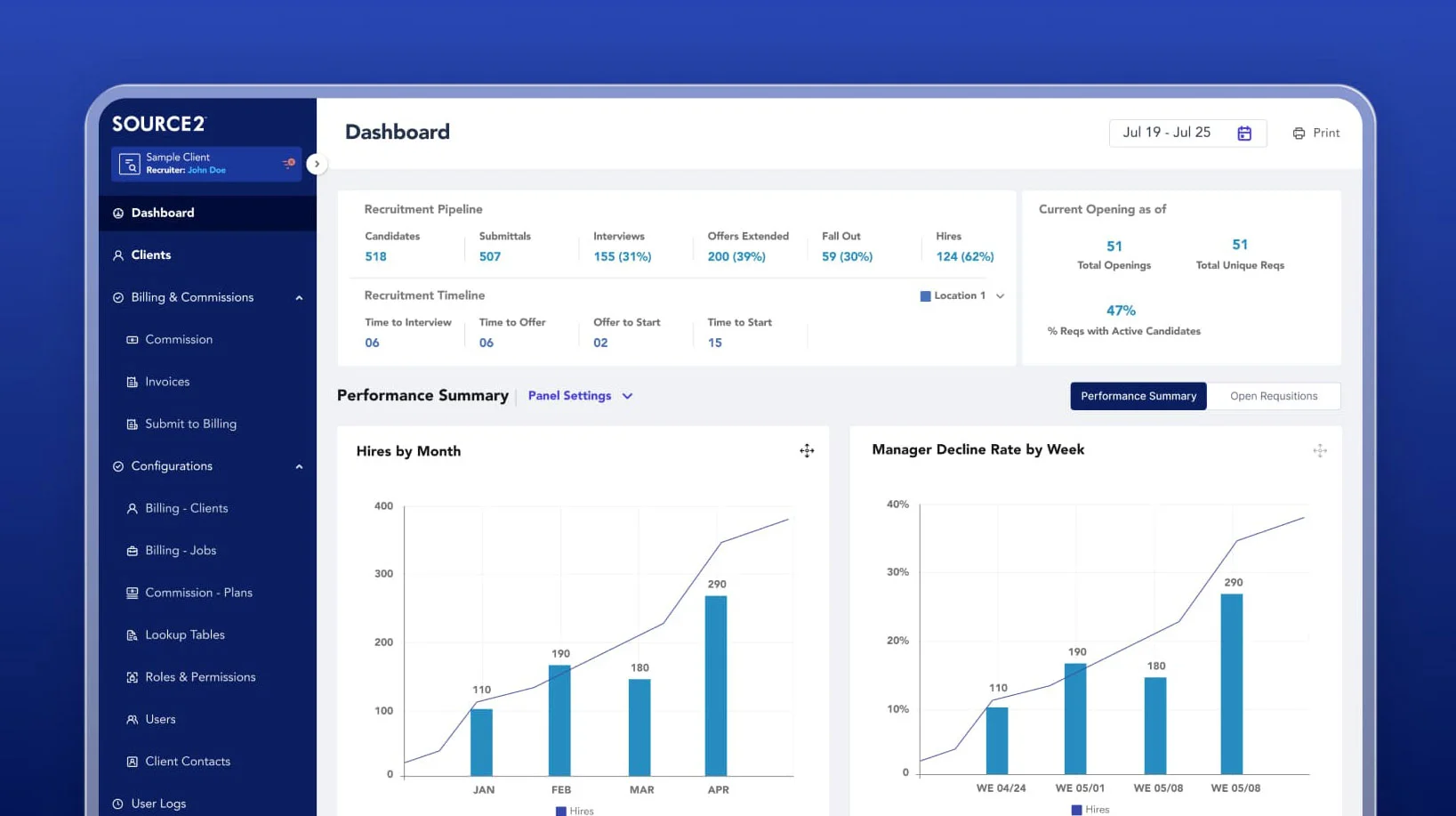

Source2 chose Code District to scale their engineering team and build a custom recruitment platform that enhanced operational visibility and cut manual work.


Skywatch brought in our agile engineering talent to build a custom, multilingual web platform that helped them scale quickly and slashed acquisition costs by 10x.
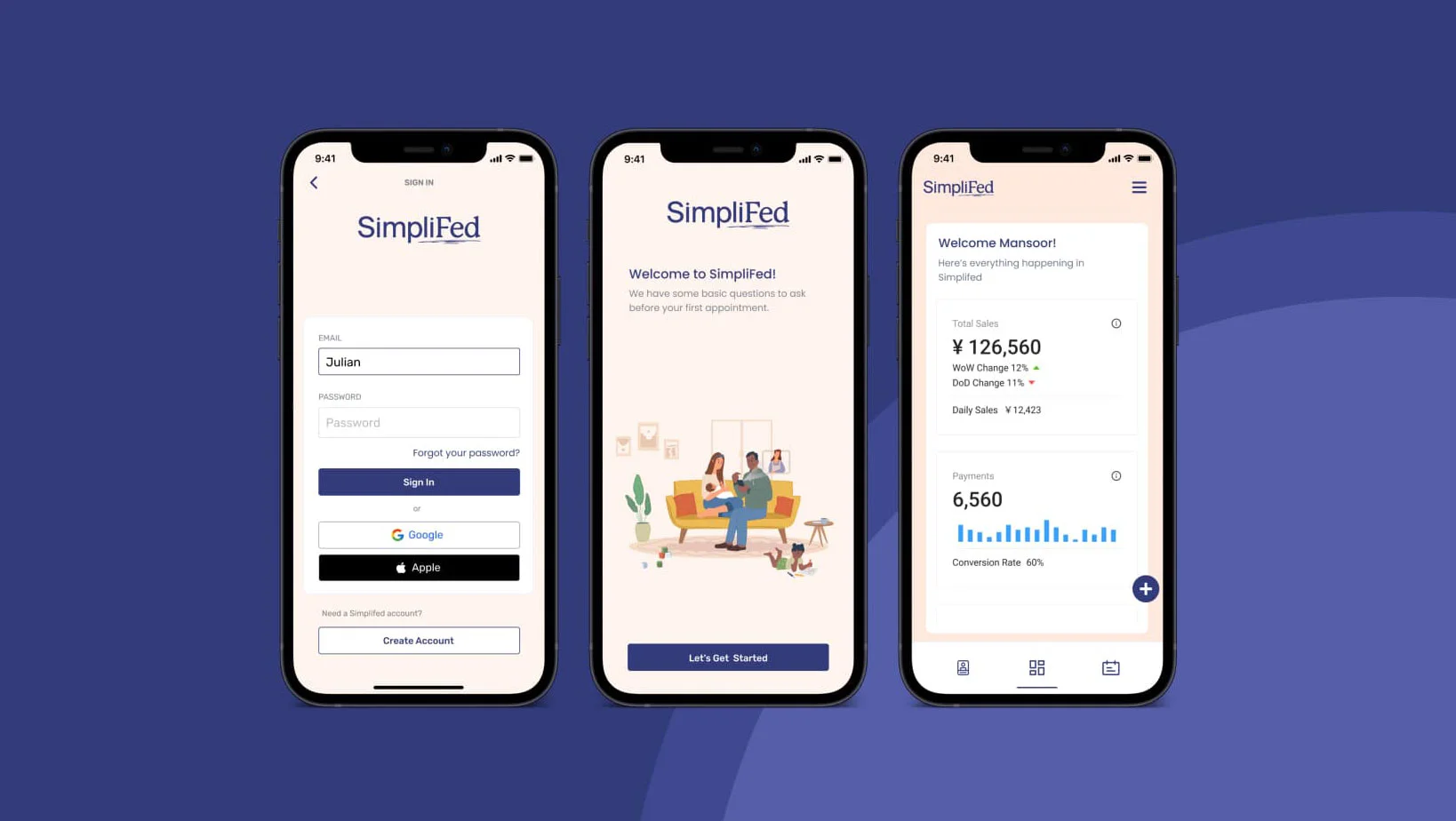

SimpliFed launched a HIPAA-compliant telehealth app that integrates Athena EMR and uses AI to match patients with providers efficiently by leveraging the expertise of our dedicated engineering team.


Caribbean Airlines processed claims 75% faster with a custom app built by our full-cycle development team that connected to their ticketing and reservation systems.
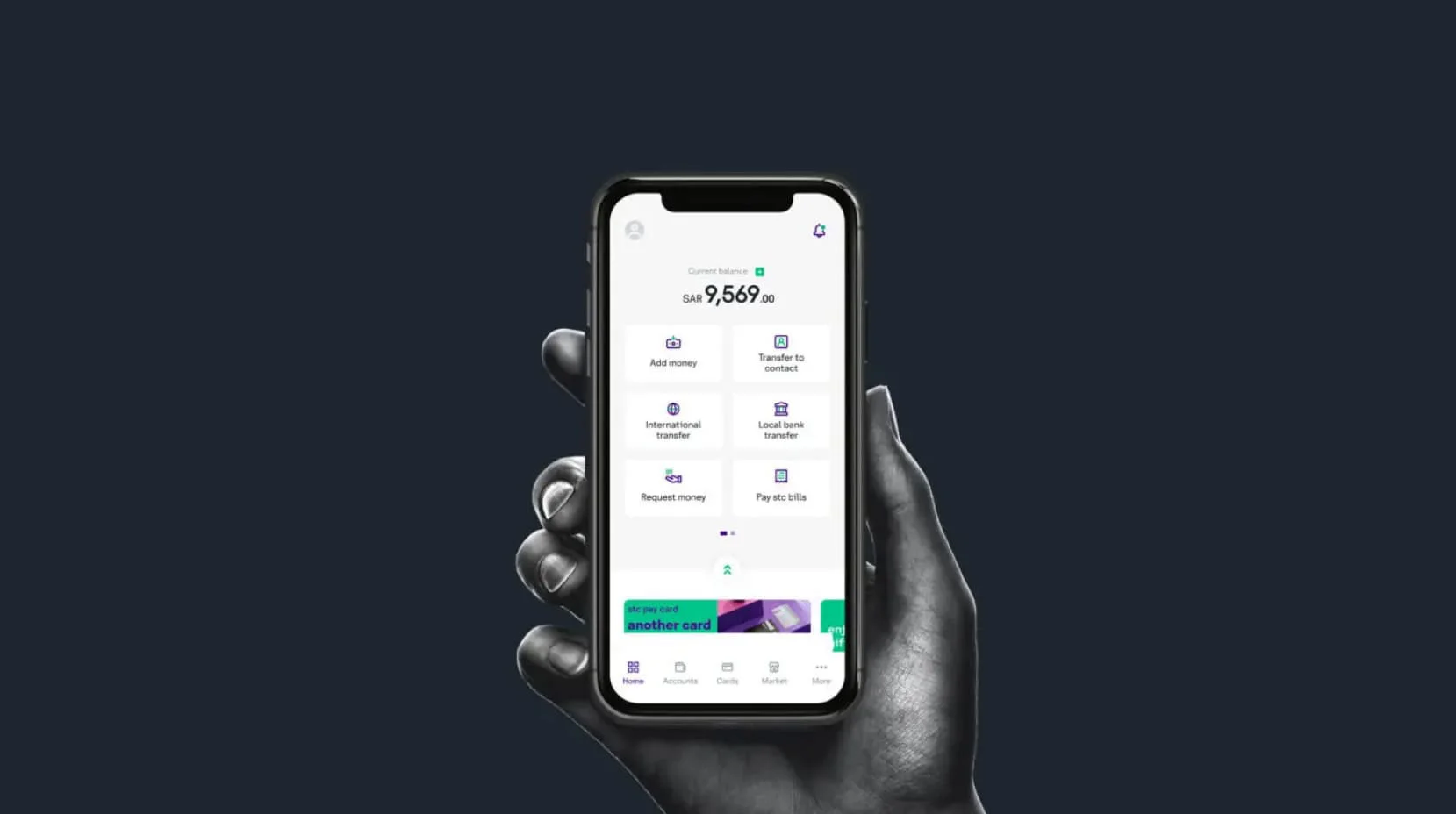

Saudi Telecom Bahrain partnered with our scalable tech team to develop a user-friendly mobile banking app, integrating multiple financial services for a seamless customer experience.


Heartbeat onboarded our AI engineers to build a HIPAA-compliant telehealth platform with AI chat support, EHR integration, and live consultations to improve patient care.
FAQs About Hiring Remote Embedded Software Developers
How can my business benefit from hiring embedded software developers?
Embedded software developers help you bring physical products to market faster. They reduce hardware revision cycles, catch integration issues early, and build firmware that performs reliably in production. The result is lower field support costs and a faster path from prototype to shipped product.
Which platforms and architectures do your embedded software developers specialize in?
Our developers have experience across ARM Cortex-M and Cortex-A series, AVR, PIC, RISC-V, and ESP32 platforms. They work with FreeRTOS, Zephyr, and bare-metal environments and are familiar with vendor SDKs from STMicroelectronics, Nordic Semiconductor, NXP, and Espressif.
How does Code District vet embedded programmers for hire?
Every developer passes a three-stage vetting process: a technical assessment covering architecture knowledge and C/C++ proficiency, a code review of past embedded projects, and a communication interview. Only candidates who pass all three stages are introduced to clients.
Why hire embedded developers from Code District instead of building an in-house team?
In-house hiring for embedded roles carries a significant risk of a poor technical match and takes considerably longer than most companies expect. Code District reduces that timeline to 48 hours with pre-screened candidates. You also avoid employer overhead, benefits costs, and long onboarding periods.
How long does it take to onboard an embedded software developer?
Selected developers are onboarded within 2 to 3 business days. We handle contracts and setup. Your developer begins contributing to your project immediately after onboarding is complete.
How much does it cost to hire remote embedded software developers from Code District?
Code District charges somewhere between $25 to $49/hr. The exact rate depends on the developer’s experience level, the technical specialization required, and the engagement model (hourly, monthly retainer, or project-based). Contact us for a quote tailored to your requirements.
Have a Role to Fill? Say Hello to Get Matched
Drop us a message, and we will get back to you in no time.
First hire or fifth office, we have worked with all.
-
200+ pre-screened developers
Top 3% rigorously evaluated engineers, ready to start
-
96% match success rate
Most clients find their perfect hire on the first try
-
100+ brands (and counting) found their match
Let's make your story the next one we're proud of


