










-
Is Delphi Development Worth It in 2026?
Delphi has been in active commercial use since 1995. Embarcadero, the company behind RAD Studio, continues to release major versions annually.
RAD Studio 13 Florence, shipping in early 2025, introduces new AI integrations, improved mobile targets, and updated compiler toolchains. This is not the behavior of a dying ecosystem.
For most IT directors, the question isn’t “Is Delphi popular?” but “Does it meet our needs?” For organizations running Delphi systems, the answer is always yes.
Existing Delphi applications handle high transaction volumes, complex business logic, and tight system integrations refined over the years.
Rewriting them from scratch carries significant risk. Hiring Delphi developers who know the language well is the lower-risk and lower-cost approach.
-
Key Skills to Look for When Hiring a Delphi Developer
Not all Delphi developers have the same skill set. The language spans decades of versions and a wide range of frameworks, so it’s worth being specific about what you need before you start interviewing.
Object Pascal Proficiency
This is the foundation on which everything else builds. A strong Delphi developer should have a solid grasp of Object Pascal’s type system, understand memory management, and be comfortable with its object-oriented features.
Without this base, framework-level knowledge tends to be shallow.
Framework Knowledge
The right framework skills depend on what your project actually involves.
Desktop development (Windows only)
Look for experience with the Visual Component Library (VCL), visual form design, and familiarity with the Windows API. VCL is Windows-specific, so a developer’s VCL depth tells you a lot about their suitability for Windows desktop work.
Cross-platform development
If your project targets macOS, iOS, Android, and Windows, the relevant framework is FireMonkey (FMX). VCL and FMX are separate frameworks, so check specifically for FMX experience rather than assuming all Delphi developers are interchangeable here.
Database-intensive applications
Look for hands-on experience with FireDAC, SQL query optimization, and connection pooling. These are distinct from general Delphi knowledge and matter a lot in data-heavy environments.
Legacy Codebase Experience
This skill category is easy to overlook, but it’s often the most important one for organizations with existing Delphi systems. Working in a large, undocumented codebase built over 10 or 20 years requires a specific kind of discipline.
Look for developers who can describe how they’ve approached code analysis and refactoring on past projects, and who understand how to make changes without breaking what was already working.
Communication Skills
Delphi projects tend to be technically complex, and the developer you hire will frequently need to explain what they’re doing, why they made a particular decision, and what risks they’ve spotted in the codebase.
A developer who communicates clearly is worth considerably more than one who just writes code in silence. During the interview, pay attention to how they explain technical concepts, not just whether their answers are correct.
-
How much does it cost to hire Delphi developers?
Delphi developers are a specialist category. Supply is smaller than for mainstream web languages, which affects rates.
Expect to pay more per hour for a strong Delphi developer than for a React or Python developer at the same experience level.
You can hire Delphi programmers from Code District at $30–$70/hr, depending on experience level and engagement type.
That range is considerably lower than hiring through a US-based staffing agency or adding a full-time employee, which includes benefits, payroll overhead, and recruitment costs.
There are real costs that don’t show up on a rate card. Time lost onboarding someone who doesn’t know the language well.
Bugs were introduced into legacy code by someone unfamiliar with its patterns.
Delays that cascade through dependent systems. Vetting matters more in Delphi than in most other languages, precisely because fewer developers know it deeply.
-
Delphi's Cross-Platform Capabilities
Delphi’s FireMonkey framework targets Windows, macOS, iOS, and Android from a single codebase. Linux is supported via the FMX Linux add-on library, available for RAD Studio Enterprise and Architect editions.
This is genuinely useful for organizations that need desktop and mobile versions of the same application without maintaining separate codebases.
A few important caveats worth knowing upfront. FMX and VCL are separate frameworks; a VCL application does not automatically become cross-platform.
If your existing Delphi codebase uses VCL and you want to support mobile, you must migrate to FMX. That’s work, but it’s structured work with a clear outcome.
FMX applications compile to native code for each target platform, meaning they run with hardware performance rather than a web-based runtime.
Our developers assess your current stack honestly and tell you what a cross-platform migration would involve before any work begins.
-
How FireDAC Connects Your Delphi Application to Enterprise Databases
FireDAC is Delphi’s built-in universal data access library, included with RAD Studio. It provides native connectivity to Oracle, Microsoft SQL Server, PostgreSQL, MySQL, SQLite, InterBase, Firebird, DB2, SQL Anywhere, Advantage DB, Informix, and MongoDB, among others.
Why FireDAC Works Well in Enterprise Environments
What makes FireDAC practical at scale is its consistency. The same component set connects to different databases with minimal code changes, reducing vendor lock-in and simplifying testing across environments.
Several features are built in that matter in production: Live Data Window mode for fast bidirectional navigation through large datasets, array DML for batch operations, automatic connection recovery, and cached updates for disconnected scenarios.
Migrating from Older Delphi Database Technologies
Organizations still running on BDE, ADO, or dbExpress will find FireDAC is the current standard for a reason.
Our developers know how to migrate existing data access layers to FireDAC without disrupting active systems, and how to optimize queries for databases that have grown considerably over the years.
-
How long does it take to complete a Delphi project?
Timelines vary considerably depending on the type of work involved. Here’s a realistic breakdown by project type.
Feature Additions to an Existing Application
A focused addition (new reporting module, API integration, UI update) typically runs 4–8 weeks from scoping to delivery. The timeline assumes reasonably clean existing code and well-defined requirements.
Legacy Code Assessment and Refactoring
These projects are harder to scope without seeing the codebase first. Most take 8–16 weeks, depending on size, complexity, and the quality of the existing code documentation. A proper assessment phase at the start saves time later.
Full Legacy Migration or Platform Migration
A full migration to a modern Delphi version, or a move from VCL to FMX, is a larger undertaking. Expect 3–6 months with proper phasing. Rushing this type of project introduces risk; phased delivery reduces it.
New Application Development
New builds in modern RAD Studio follow standard phases:
- Discovery and architecture (1–2 weeks)
- Core development (4–12 weeks depending on scope)
- Testing with deployment preparation (2–4 weeks)
The single biggest predictor of timeline is how clearly requirements are defined at the start. Developers working against vague specs deliver vague results. Our team invests time in requirements definition before writing a line of code.
-
Use Cases for Delphi Across Different Verticals
Delphi has a long track record in environments where reliability, performance, and long system life matter more than using the newest technology.
Financial Services
Delphi powers trading platforms, back-office reconciliation tools, and compliance reporting systems.
Many of these have been running for 10–20 years and handle thousands of transactions daily. The language’s stability and compiled performance make it a natural fit for financial infrastructure that can’t afford downtime.
Healthcare
Delphi applications manage patient records, lab information systems, and medical device interfaces. Data integrity and audit trails are non-negotiable in this sector, and Delphi’s strongly typed, compiled nature supports both well.
Manufacturing
Desktop applications built in Delphi power production monitoring systems, quality control tools, and ERP integrations that connect shop-floor activity to management reporting. Speed and reliability on Windows workstations matter here, and Delphi delivers both.
Logistics and Transportation
Delphi powers dispatch systems, route management tools, and real-time tracking applications that need to handle load without degrading. Systems in this sector tend to run continuously, often on hardware that isn’t refreshed frequently.
Delphi applications in these verticals tend to be business-critical, long-lived, and deeply integrated with operational processes. The developers you hire need to understand that context, not just the language.
-
How to assess the expertise of a Delphi developer before hiring?
Most hiring managers aren’t Delphi experts themselves, which makes vetting genuinely difficult. Here’s a practical framework that works even without deep Delphi knowledge.
Step 1: Start with Written Technical Questions
Ask questions that test real understanding, not just familiarity with terms. Can they explain the difference between VCL and FMX, and when to use each? Do they understand Object Pascal’s reference-counted interfaces versus manual memory management for objects?
Can they describe how FireDAC handles transactions across multiple connections? You don’t need to know the answers yourself. The depth and clarity of the response will tell you a lot.
Step 2: Ask to See Relevant Past Work
A developer with genuine Delphi experience should be able to walk you through systems they’ve built: the architecture decisions they made, performance problems they solved, and migrations they completed. Vague answers at this stage are a useful signal.
Step 3: Run a Practical Code Review Task
This is the most reliable signal of actual ability. Give the candidate a small task: read an existing code sample and describe what it does, identify a bug, or explain how they’d approach a stated problem.
It doesn’t need to be long. Code District uses exactly this kind of assessment before any developer joins our network.
-
Essential Delphi Development Tools and Platforms
RAD Studio
RAD Studio is the primary development environment for Delphi, produced by Embarcadero Technologies.
It includes the Delphi IDE, visual form designer, integrated debugger, and the GetIt Package Manager for installing third-party components. The two most recent major versions are RAD Studio 12 Athens and RAD Studio 13 Florence.
Version Control and CI/CD
Version control integration is standard practice. Delphi projects work with Git, SVN, and Mercurial. For continuous integration, teams typically use MSBuild or the Delphi command-line compilers (dcc32 for 32-bit, dcc64 for 64-bit) in automated pipelines.
Testing
DUnitX is the current standard unit-testing framework for Delphi. It’s the actively maintained successor to the original DUnit framework and supports modern test patterns.
Third-Party Component Libraries
Several libraries are commonly used alongside the ones that ship with RAD Studio. TMS Software and DevExpress both provide UI component suites for grids, controls, and interface components.
FastReport is the most widely used reporting tool in enterprise Delphi environments. Our developers are familiar with this full toolchain and can integrate into your existing setup without a lengthy ramp-up period.
Hire Delphi Developers
Hire Delphi developers ready to interview in 48 hours. Our experienced Delphi developers can maintain and upgrade legacy Delphi systems, build new desktop applications, and improve data-driven enterprise software. Get the top 3% developers who understand existing codebases and can start contributing quickly.

-
Ali Ehsan

-
Laiba Sohail

-
Usama Saqib


High-caliber professionals ready to join your team!
Trusted by many organizations

Code District successfully launched our application on time. The team worked hard, adjusted to our schedule, and ensured our requests were turned around very quickly. They asked the right questions, used sound judgment, and made consistent progress, demonstrating strong technical skills and a driven attitude.

CTO, Skywatch


Code District was a hit. Their engineers were professional, communicative, and committed to delivering a well-thought-out solution. The best thing about them was their willingness to adapt, which made the process smooth and productive.

Head of IT Applications, Caribbean Airlines




One of the things that I really appreciate about Code District is that they work with you front stage in discovery sessions to help understand your needs and your requirements.

CEO & Founder, Simplifed


Code District knows and understands our business. Our teams have developed high-level of mutual trust and respect for one another. They have done a good job at being responsive and providing great support now that we’ve got users living and working in the system day in and day out.

COO, Source 2




Collaborating with team Code District was a great experience. They brought deep technical expertise and a problem-solving mindset to the development of our digital wallet platform. Their ability to integrate complex financial services while ensuring security and usability made a significant impact.

Head Of IT, STCPay Bahrain

Core Competencies of Our Delphi Programmers
How to Hire Delphi Developers in 3 Simple Steps
-
01. Discuss Requirements
Contact Code District representatives to discuss your project scope, feasibility, budget, and other essential requirements. This helps us match you with the right profile.
-
02. Interview the Shortlisted Candidates
We share profiles of 3-4 Delphi developers for hire. Average time to match is 48 hours. Conduct technical interviews on your schedule to choose the right candidate.
-
03. Hire Delphi Developers
Once you select the right fit, we handle contracts, NDAs, and onboarding setup. Your COBOL developer can be contributing to your project within 2-3 business days.

Want to hire a Delphi developer?
Get matched with the best Delphi developers within 48 hours.
Hire delphi developers with zero risks. Start your 1-week free trial today!
Start Now
Why Top Companies Hire Delphi Developers from Code District
Hire Delphi developers from Code District with real-world experience across industries. They have worked on enterprise systems such as manufacturing ERPs, financial platforms, healthcare tools, and government desktop applications.
- Access to the top 3% of Delphi developers.
- Expertise in Object Pascal, FireDAC, VCL, and RAD Studio.
- Quick onboarding (on average, within 2-3 days).
- Dedicated project manager at your service.
- Flexible hiring options with no hidden fees.
- Daily and weekly progress updates are provided.
- Developers are available to work in your time zone.
- Access to fluent English-speaking developers.
- Ensure project confidentiality with a signed NDA.
- Secure and compliant Delphi development.
Before You Hire Delphi Programmers, Here's What to Know
Contents
- Is Delphi Development Worth It in 2026?
- Key Skills to Look for When Hiring a Delphi Developer
- How much does it cost to hire Delphi developers?
- Delphi's Cross-Platform Capabilities
- How FireDAC Connects Your Delphi Application to Enterprise Databases
- How long does it take to complete a Delphi project?
- Use Cases for Delphi Across Different Verticals
- How to assess the expertise of a Delphi developer before hiring?
- Essential Delphi Development Tools and Platforms
Want to hire remote Delphi developers?
Stop spending weeks screening resumes and hire delphi engineers 5X faster from our pre-vetted talent pool to avoid project delays.
Success Stories that Prove We Mean Business
View all Work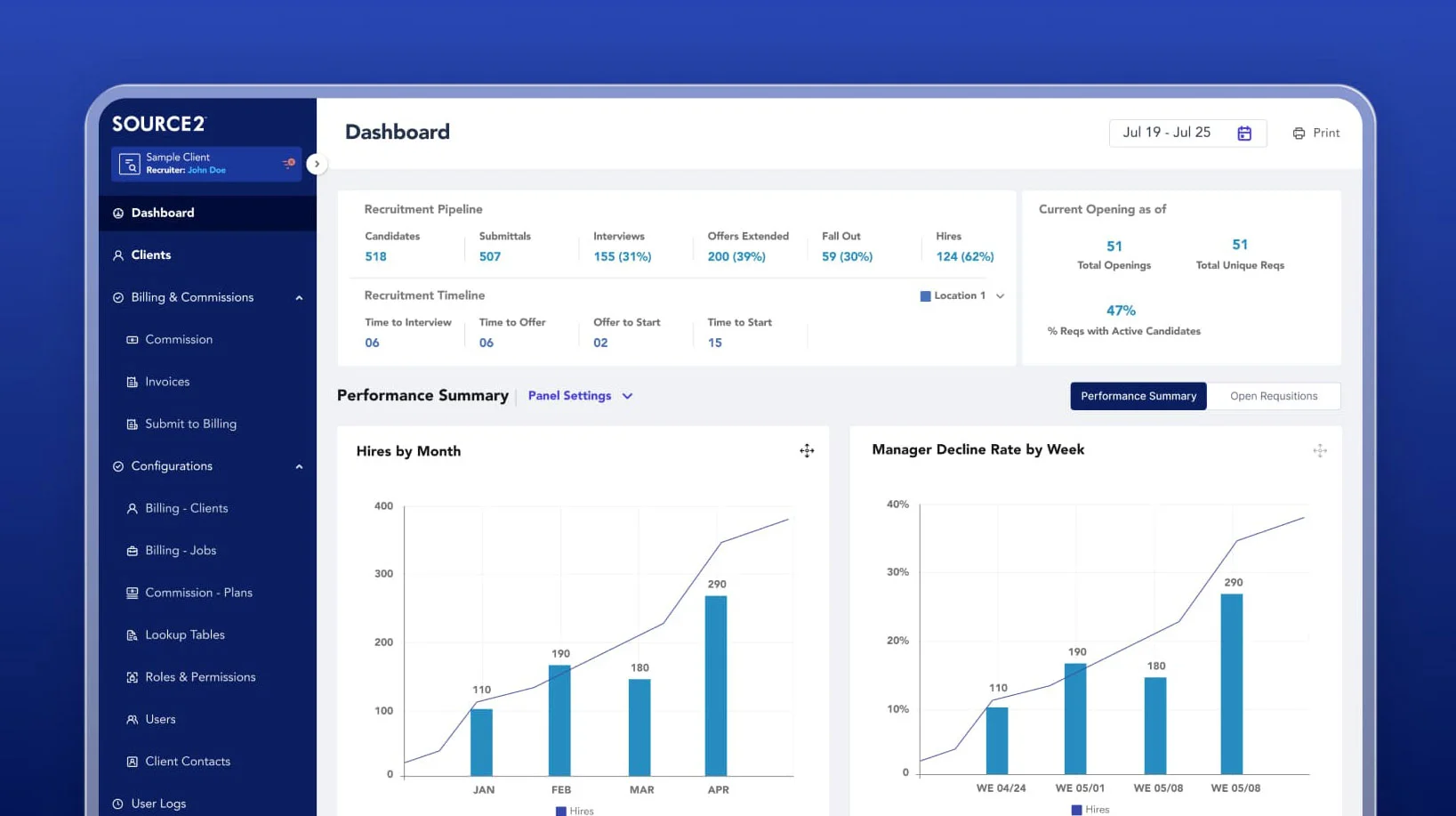

Source2 chose Code District to scale their engineering team and build a custom recruitment platform that enhanced operational visibility and cut manual work.


Skywatch brought in our agile engineering talent to build a custom, multilingual web platform that helped them scale quickly and slashed acquisition costs by 10x.
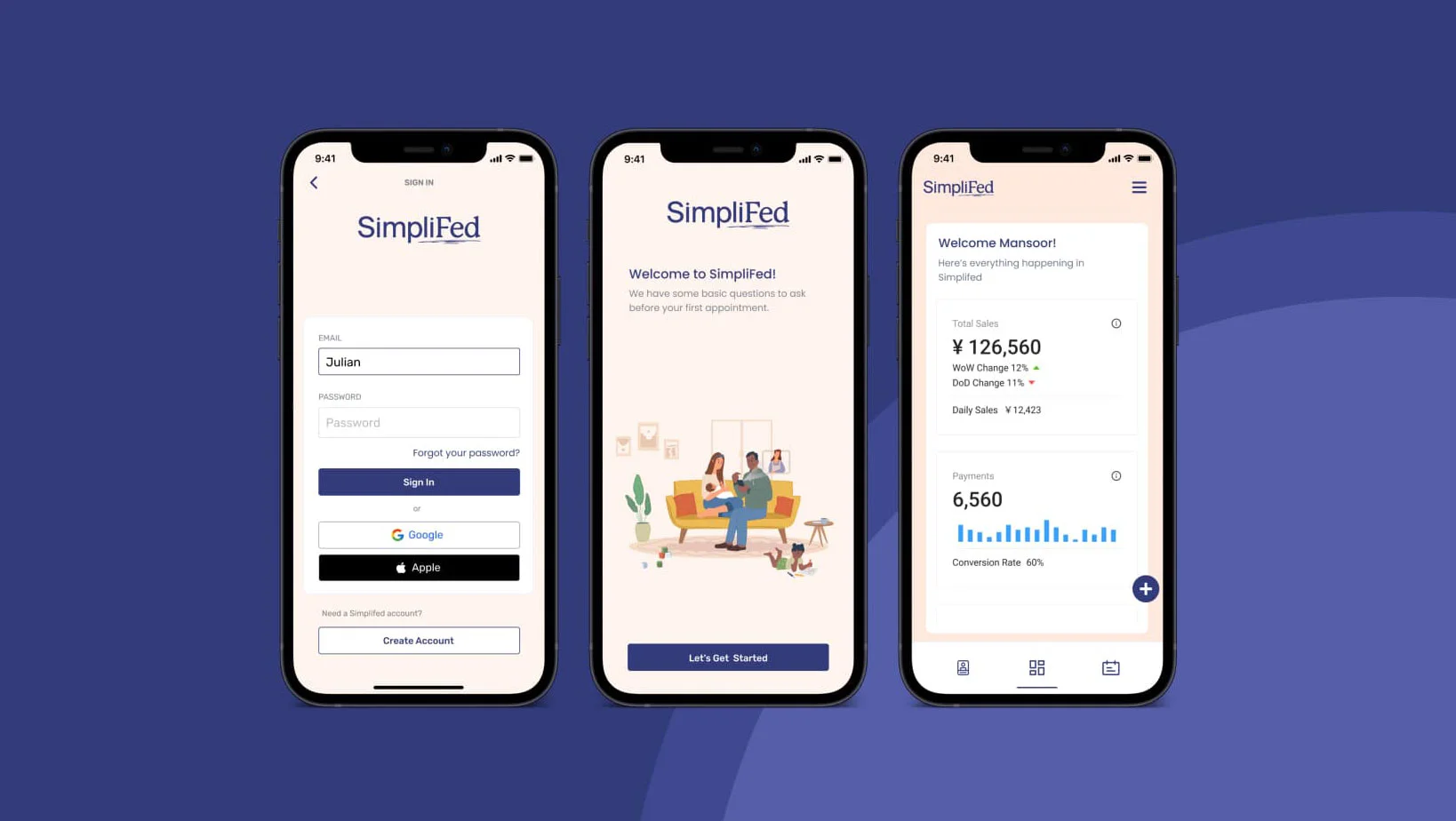

SimpliFed launched a HIPAA-compliant telehealth app that integrates Athena EMR and uses AI to match patients with providers efficiently by leveraging the expertise of our dedicated engineering team.


Caribbean Airlines processed claims 75% faster with a custom app built by our full-cycle development team that connected to their ticketing and reservation systems.
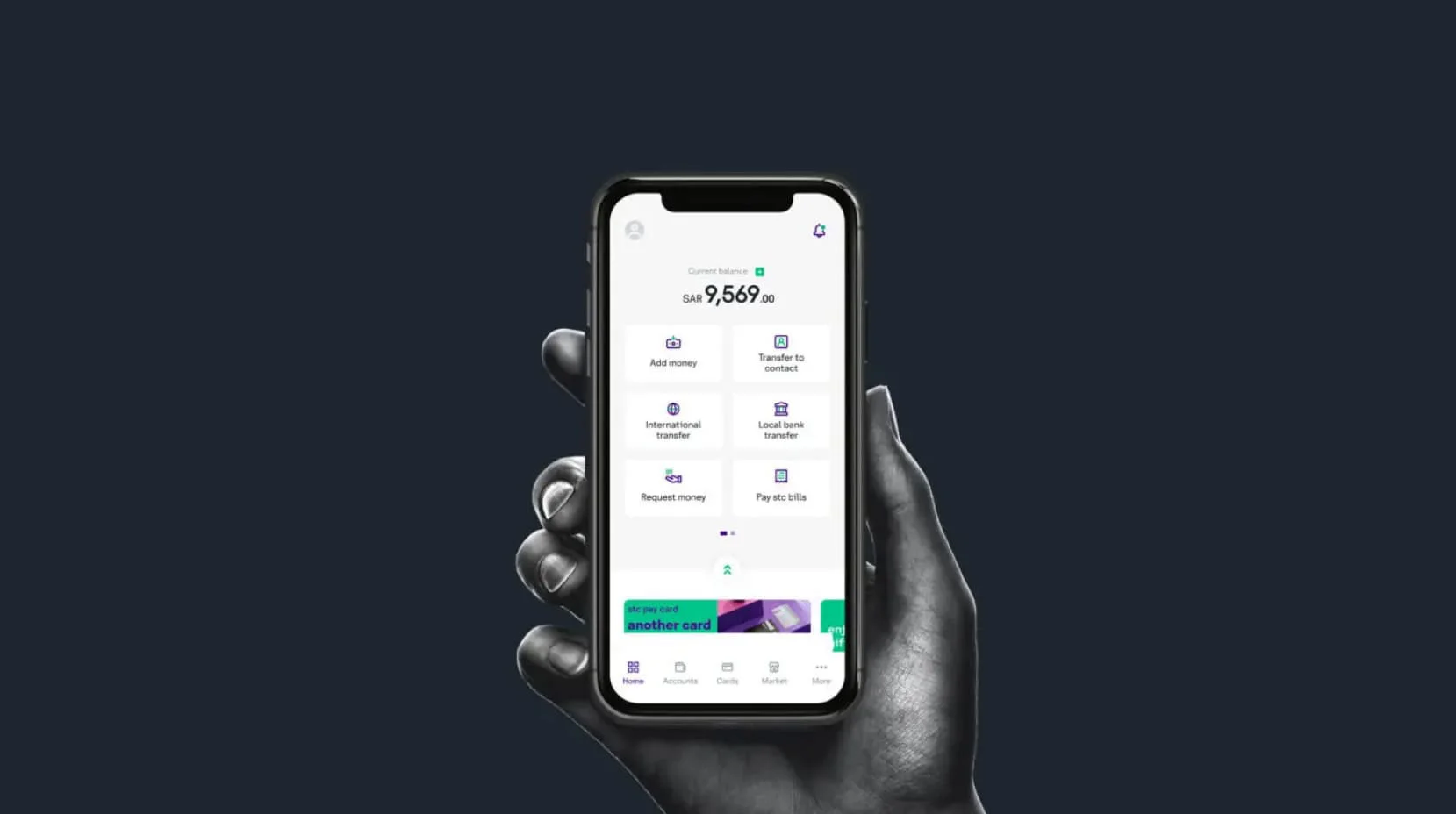

Saudi Telecom Bahrain partnered with our scalable tech team to develop a user-friendly mobile banking app, integrating multiple financial services for a seamless customer experience.


Heartbeat onboarded our AI engineers to build a HIPAA-compliant telehealth platform with AI chat support, EHR integration, and live consultations to improve patient care.
Hire Delphi Developers FAQs
How can my business benefit from hiring a Delphi developer?
If you have an existing Delphi system that needs maintenance, extension, or modernization, a skilled Delphi developer keeps it running and improving. For new projects requiring native desktop or cross-platform performance, you avoid the cost and risk of rewriting in a different language.
Which Delphi frameworks and tools do your developers specialize in?
Our developers work with VCL, FireMonkey (FMX), FireDAC, and RAD Studio versions 10.x through 13. They also cover DUnitX for testing, FastReport for reporting, and REST/JSON libraries for API integration. If your project uses a specific third-party component library, let us know during intake.
How does Code District vet Delphi programmers before putting them in front of clients?
Every candidate completes a technical assessment covering Object Pascal, VCL, FMX, FireDAC, and code analysis. We also review past projects and assess communication skills. Fewer than 1 in 3 applicants pass. You’re evaluating fit, not starting from scratch.
Why hire Delphi developers from Code District instead of posting a job directly?
Direct hiring for Delphi talent takes 8–12 weeks, with limited applicants and no specialist vetting on your end. Through Code District, you get pre-screened candidates ready to interview in 48 hours at $30–$70/hr, with no recruitment overhead.
How long does it take to hire a Delphi developer through Code District?
Most clients interview candidates within 48 hours of sharing their requirements. Onboarding takes 2–3 business days after selection. The full process from the first conversation to an active developer on your project takes nearly one week.
What does it cost to hire Delphi developers from Code District, and what pricing models do you offer?
Delphi developers for hire through Code District are available at $30–$70/hr, depending on experience level and technical scope.
We offer hourly, monthly retainer, and project-based pricing. There are no hidden fees; the rate agreed at the start is what appears on the invoice. During your initial consultation, we’ll recommend the model that fits your project structure.
Have a Role to Fill? Say Hello to Get Matched
Drop us a message, and we will get back to you in no time.
First hire or fifth office, we have worked with all.
-
200+ pre-screened developers
Top 3% rigorously evaluated engineers, ready to start
-
96% match success rate
Most clients find their perfect hire on the first try
-
100+ brands (and counting) found their match
Let's make your story the next one we're proud of


