













-
Is ColdFusion Development Still Worth It?
ColdFusion has been in production environments for nearly 30 years. That longevity surprises people unfamiliar with enterprise software, but it reflects a practical reality: large organizations built critical systems on ColdFusion and have no straightforward path to replace them overnight.
According to Similarweb and W3Techs data, hundreds of thousands of websites still run on CFML-based platforms.
Many belong to government agencies, healthcare networks, insurance companies, and financial institutions where system stability matters far more than chasing trends.
The market for ColdFusion developers is narrower than for JavaScript or Python, creating two challenges for hiring teams. First, qualified developers are harder to find through general job boards.
Second, developers with deep CFML experience command higher rates because demand outpaces supply.
For companies with active ColdFusion systems, the return on investment comes from two directions.
Maintaining and improving an existing ColdFusion application costs significantly less than rewriting it from scratch in a different language.
And bringing in an experienced ColdFusion developer accelerates progress that internal teams may have deprioritized due to skill gaps.
If your organization runs ColdFusion in production, finding someone who understands it well is not optional. It is a business continuity decision.
-
How ColdFusion Solves Real Business Problems Across Industries
Many organizations see ColdFusion as outdated, but that view does not reflect how it is used today.
The question is not whether ColdFusion is fashionable. The question is whether it gets the job done for the systems that depend on it.
Healthcare organizations use ColdFusion to power patient portals, appointment scheduling tools, and internal reporting dashboards.
Many of these systems have been running for 15 or more years, and rewriting them would require extensive validation, compliance testing, and budget approval, which makes replacement impractical in the short term.
Financial services firms use ColdFusion for loan origination workflows, claims processing, and document generation.
The logic embedded in these applications reflects years of business rules that are difficult to untangle and migrate without risk.
Insurance companies use CFML-based platforms for policy management, underwriting support tools, and customer communication workflows.
In most cases, these are deeply integrated with mainframe systems, making a full rewrite even more complex.
State and local government agencies use ColdFusion for everything from permit applications to court case management systems.
Funding cycles and procurement processes make technology replacement a multi-year effort, so maintaining and extending what exists is the realistic path.
Manufacturing businesses use ColdFusion for inventory management, production tracking, and supplier portals that connect internal operations to external partners.
Across all of these verticals, the pattern is the same. The system works. The business depends on it. And the organization needs a developer who can work with it confidently.
-
Key Skills to Look for When Hiring a ColdFusion Developer
Not every ColdFusion developer brings the same expertise. Some have maintained older CF8 or CF9 applications without ever working with the modern Adobe ColdFusion stack or Lucee.
Others come from a front-end background and understand the templating side but struggle with server configuration or database performance.
When evaluating ColdFusion developers, look for these specific competencies.
CFML proficiency across versions
The developer should be comfortable with both tag-based and script-based CFML syntax. Developers who have only worked in one style may struggle with codebases that mix both, which is common in legacy applications.
Database query and ORM experience
ColdFusion’s CFQuery tag is fundamental, but experienced developers also understand how to use Hibernate-based ORM within ColdFusion, write efficient joins, and use query-of-queries for in-memory data manipulation.
ColdFusion Administrator familiarity
Production applications require server-level configuration. A capable developer should understand data source setup, scheduled task management, JVM tuning, and log management within the CF Administrator panel.
Application framework knowledge
Developers familiar with FW/1, ColdBox, or Mach-II bring structure to codebases that might otherwise lack a consistent architecture. This matters if you plan to extend or refactor the application.
Security practices
ColdFusion applications that handle user data require developers who understand cross-site scripting prevention, SQL injection mitigation, session fixation prevention, and the proper use of the language’s built-in encryption functions.
Integration experience
Most ColdFusion applications do not exist in isolation. Developers should have experience calling external REST and SOAP services, working with CFHTTP and CFXML, and connecting to external authentication systems.
During interviews, ask candidates to walk through how they would diagnose a slow query in a ColdFusion application, or how they would approach migrating a CF9 application to CF2023.
Their answers reveal both technical depth and how they think through real problems.
-
Understanding the Cost of Hiring ColdFusion Developers
ColdFusion developer rates vary based on geography, experience level, and engagement type. Understanding the full range helps you set realistic expectations and evaluate options more clearly.
United States and Canada
Senior ColdFusion developers based in North America charge between $90 and $150 per hour on a contract basis.
Mid-level developers range from $60 to $90 per hour. These rates reflect the combination of high local living costs and the scarcity of experienced CFML developers in the domestic market.
Annual salaries for full-time hires range from $80,000 to $130,000, depending on location and seniority.
United Kingdom and Western Europe
Rates tend to run slightly lower than in North America but remain above $70 per hour for experienced developers. In most cases, UK-based contractors quote day rates between £450 and £700.
Eastern Europe and Latin America
Developers in Poland, Romania, and Colombia offer competitive rates in the $35 to $65 per-hour range.
Time zone overlap with US and European teams varies, which affects how well remote collaboration works in practice.
South Asia
Developers in India and Pakistan offer some of the lowest rates globally, ranging from $20 to $40 per hour for experienced ColdFusion work. Quality varies widely, and the lower price point requires more diligent vetting.
Code District provides pre-vetted ColdFusion developers with hourly rates starting at $25.
Every developer passes technical assessments before you ever see their profile, which removes the vetting burden from your team and reduces the risk of a mis-hire.
Compared to using a US-based staffing agency or hiring full-time, working with Code District costs 40% less for equivalent output.
Beyond the hourly rate, factor in onboarding time, management overhead, and the cost of a bad hire.
A developer who requires three months of ramp-up or who writes unmaintainable code costs more than their rate suggests. Pre-vetted developers close that gap.
-
ColdFusion Development Methodologies and Best Practices
ColdFusion projects succeed or fail based on how development is organized, not just what code gets written.
Teams that skip process discipline tend to produce applications that are difficult to maintain, test, or hand off to another developer.
Most ColdFusion projects benefit from an iterative approach.
Rather than defining every feature up front and delivering everything at once, breaking work into two-week sprints allows your team to test assumptions, catch integration issues early, and adjust scope without derailing the entire project.
Version control is non-negotiable. Many older ColdFusion codebases were built before Git became standard, and some teams still manage changes through FTP and manual backups.
Introducing proper version control with a clear branching strategy is one of the highest-return improvements any ColdFusion team can make.
Code review processes matter in CFML development as much as in any other language.
Having a second developer review changes before they reach production catches logic errors, security gaps, and performance issues far cheaper to fix before deployment.
Environment parity between development, staging, and production prevents a whole class of bugs that appear only in production.
ColdFusion applications are sensitive to datasource configurations, JVM settings, and server-level variables that differ between environments if not managed carefully.
Documentation is an area where ColdFusion projects frequently fall short, particularly in legacy systems.
A good developer maintains inline comments for complex logic, documents function signatures, and keeps a changelog that future maintainers can reference.
-
Essential ColdFusion Development Tools and Platforms
ColdFusion development relies on a specific ecosystem of tools that differs from what JavaScript or Python teams use.
Knowing what your developer should be comfortable with helps you evaluate candidates and plan your infrastructure.
Adobe ColdFusion (versions 9 through 2023) remains the commercial standard. If your organization has an existing license, your developer needs to be familiar with the version you’re running.
Adobe releases regular updates and security patches, and experienced developers know how to apply them without breaking existing functionality.
Lucee is the open-source CFML engine that has seen significant adoption over the past decade. It is faster than Adobe ColdFusion in most benchmarks, free to use, and actively maintained by the Lucee Association.
Many organizations migrating away from expensive Adobe licenses move to Lucee. A developer comfortable with both platforms gives you more flexibility.
CommandBox is the CLI tool most modern ColdFusion developers use to manage server instances, run package dependencies, and automate deployment tasks.
It has become the standard for working with both Adobe ColdFusion and Lucee in development environments.
For database work, ColdFusion developers use SQL Server Management Studio, MySQL Workbench, or DBeaver, depending on the database platform.
Common IDEs include IntelliJ IDEA with the CFML plugin, VS Code with ColdFusion extensions, and Adobe ColdFusion Builder for teams still on Adobe’s toolchain.
-
What to Expect: ColdFusion Project Timelines
Timeline expectations vary based on what you’re asking a ColdFusion developer to do. Being specific about scope upfront prevents the most common source of project delays.
Bug fixes and small enhancements
Individual issues in a known codebase take between a few hours and a few days. If the developer is unfamiliar with the application, add one to two weeks for code familiarization before they can work at full speed.
New feature development within an existing application
A discrete new module or workflow, such as a new reporting section or a new form with backend processing, takes two to six weeks, depending on complexity and integration requirements.
Legacy application audits and modernization planning
Before a team can modernize a ColdFusion application, they need to understand what it does. A thorough audit of a mid-sized application takes two to four weeks and produces a prioritized remediation plan.
Version upgrades
Moving an application from CF9 to CF2023 involves compatibility testing across templates, queries, and third-party integrations. For a moderately complex application, expect four to twelve weeks.
Full application rebuilds or migrations
Rewriting a ColdFusion application in CFML with modern practices, or migrating to a different language entirely, is a multi-month engagement.
Scope, complexity, and the quality of existing documentation all affect the timeline.
Give any new ColdFusion developer two to three weeks on your codebase before expecting them to contribute at full speed.
That ramp-up time is normal and should be built into your project plan from the start.
-
How to Assess ColdFusion Developer Expertise Before You Hire
Technical interviews for ColdFusion developers need to be more hands-on than a resume review.
Because the developer pool is smaller than for mainstream languages, candidates vary widely in what they actually know and what they claim to know.
Start with a practical scenario. Give the candidate a snippet of CFML code with a known bug or inefficiency and ask them to identify the problem and explain how they’d fix it.
This reveals whether they actually read and understand code or pattern-match on keywords.
Ask about the difference between tag-based and script-based ColdFusion. A developer who has worked on real projects will have opinions on when each is appropriate and will understand that legacy codebases mix both styles.
Probe their database experience. Ask how they’d approach a slow CFQuery and what tools they’d use to profile it.
An experienced developer will mention query plans, the debug output panel, and CF Administrator query monitoring.
Ask whether they’ve worked with Lucee and how it differs from Adobe ColdFusion in practice.
The answer reveals both their breadth of experience and their commitment to staying current with the CFML ecosystem.
Check their version history. A developer who has only worked on CF8 may struggle with ColdFusion 2016 and later, which introduced significant language improvements.
Someone familiar with ColdFusion 2018 or 2021 will also understand closures, arrow functions in CFSCRIPT, and improved ORM handling.
Finally, ask them to describe a ColdFusion project they’ve worked on, what the business problem was, and what technical decisions they made.
Experienced developers can explain their work in terms that a business stakeholder would understand. That skill matters when you need them to communicate with non-technical members of your team.
Hire ColdFusion Developers
Finding experienced ColdFusion developers is slow, expensive, and frustrating for most hiring teams. Companies can avoid these delays and hire ColdFusion developers from Code District within 72 hours. Our developers bring hands-on experience with CFML, ColdFusion frameworks, and enterprise integrations.

-
Ali Ehsan

-
Laiba Sohail

-
Usama Saqib


High-caliber professionals ready to join your team!
Trusted by many organizations

Code District successfully launched our application on time. The team worked hard, adjusted to our schedule, and ensured our requests were turned around very quickly. They asked the right questions, used sound judgment, and made consistent progress, demonstrating strong technical skills and a driven attitude.

CTO, Skywatch


Code District was a hit. Their engineers were professional, communicative, and committed to delivering a well-thought-out solution. The best thing about them was their willingness to adapt, which made the process smooth and productive.

Head of IT Applications, Caribbean Airlines




One of the things that I really appreciate about Code District is that they work with you front stage in discovery sessions to help understand your needs and your requirements.

CEO & Founder, Simplifed


Code District knows and understands our business. Our teams have developed high-level of mutual trust and respect for one another. They have done a good job at being responsive and providing great support now that we’ve got users living and working in the system day in and day out.

COO, Source 2




Collaborating with team Code District was a great experience. They brought deep technical expertise and a problem-solving mindset to the development of our digital wallet platform. Their ability to integrate complex financial services while ensuring security and usability made a significant impact.

Head Of IT, STCPay Bahrain

What Our ColdFusion Developers for Hire Can Do
How to Hire ColdFusion Developers in 3 Simple Steps
-
01. Discuss Requirements
Tell us your ColdFusion version, project scope, team structure, and timeline. We use that information to match you with developers who fit your technical and engagement needs.
-
02. Interview the Shortlisted Candidates
Review profiles of pre-screened ColdFusion developers. Conduct technical interviews, assess their CFML expertise, and choose the candidate who aligns with your needs.
-
03. Onboard the Developer
Once you select your developer, we handle contracts, NDAs, and setup. They are ready to contribute to your project within 2 to 3 business days.

Want to hire a ColdFusion developer?
Get matched with the best ColdFusion developers in 72 hours.
Hire Coldfusion developers with zero risks. Start your 1-week free trial today!
Start Now
Why Top Companies Hire Remote ColdFusion Developers from Code District
Our ColdFusion developers build and maintain CFML applications for healthcare, finance, and enterprise systems.
They work on live production systems, including application development, database integration, performance improvements, and legacy upgrades.
- Access to the top 3% of ColdFusion developers
- Expertise in CFML, ColdBox, and Adobe ColdFusion
- Quick onboarding (on average, within 2-3 days)
- Dedicated project manager at your service
- Flexible hiring options with no hidden fees
- Daily and weekly progress updates are provided
- Developers are available to work in your time zone
- Access to fluent English-speaking developers
- Ensure project confidentiality with a signed NDA
- Secure and compliant ColdFusion development
Essential Guide to Hiring ColdFusion Developers
Contents
- Is ColdFusion Development Still Worth It?
- How ColdFusion Solves Real Business Problems Across Industries
- Key Skills to Look for When Hiring a ColdFusion Developer
- Understanding the Cost of Hiring ColdFusion Developers
- ColdFusion Development Methodologies and Best Practices
- Essential ColdFusion Development Tools and Platforms
- What to Expect: ColdFusion Project Timelines
- How to Assess ColdFusion Developer Expertise Before You Hire
Want to hire remote ColdFusion developers?
Stop spending weeks screening resumes and hire coldfusion engineers 5X faster from our pre-vetted talent pool to avoid project delays.
Hire NowSuccess Stories that Prove We Mean Business
View all Work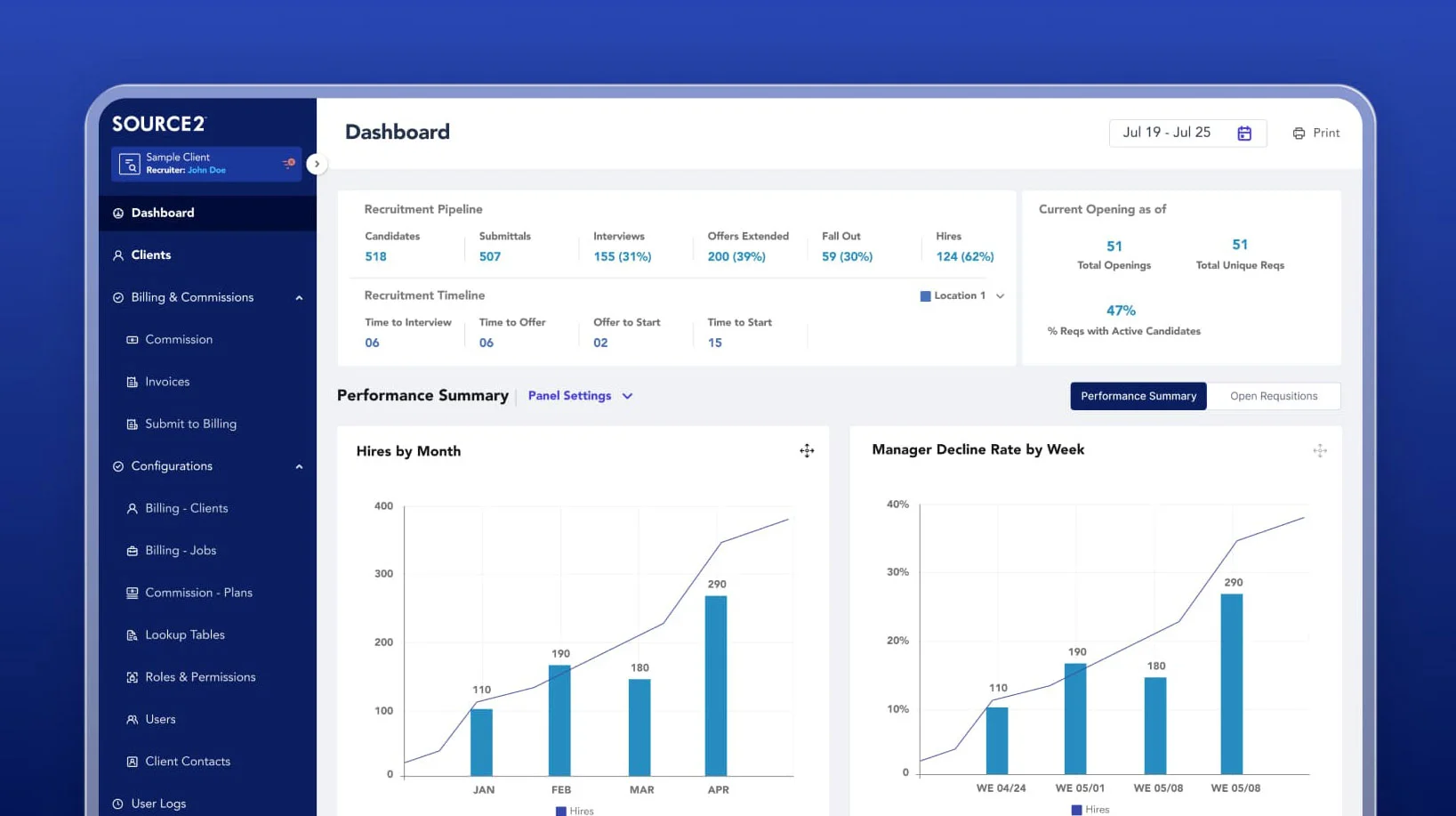

Source2 chose Code District to scale their engineering team and build a custom recruitment platform that enhanced operational visibility and cut manual work.


Skywatch brought in our agile engineering talent to build a custom, multilingual web platform that helped them scale quickly and slashed acquisition costs by 10x.
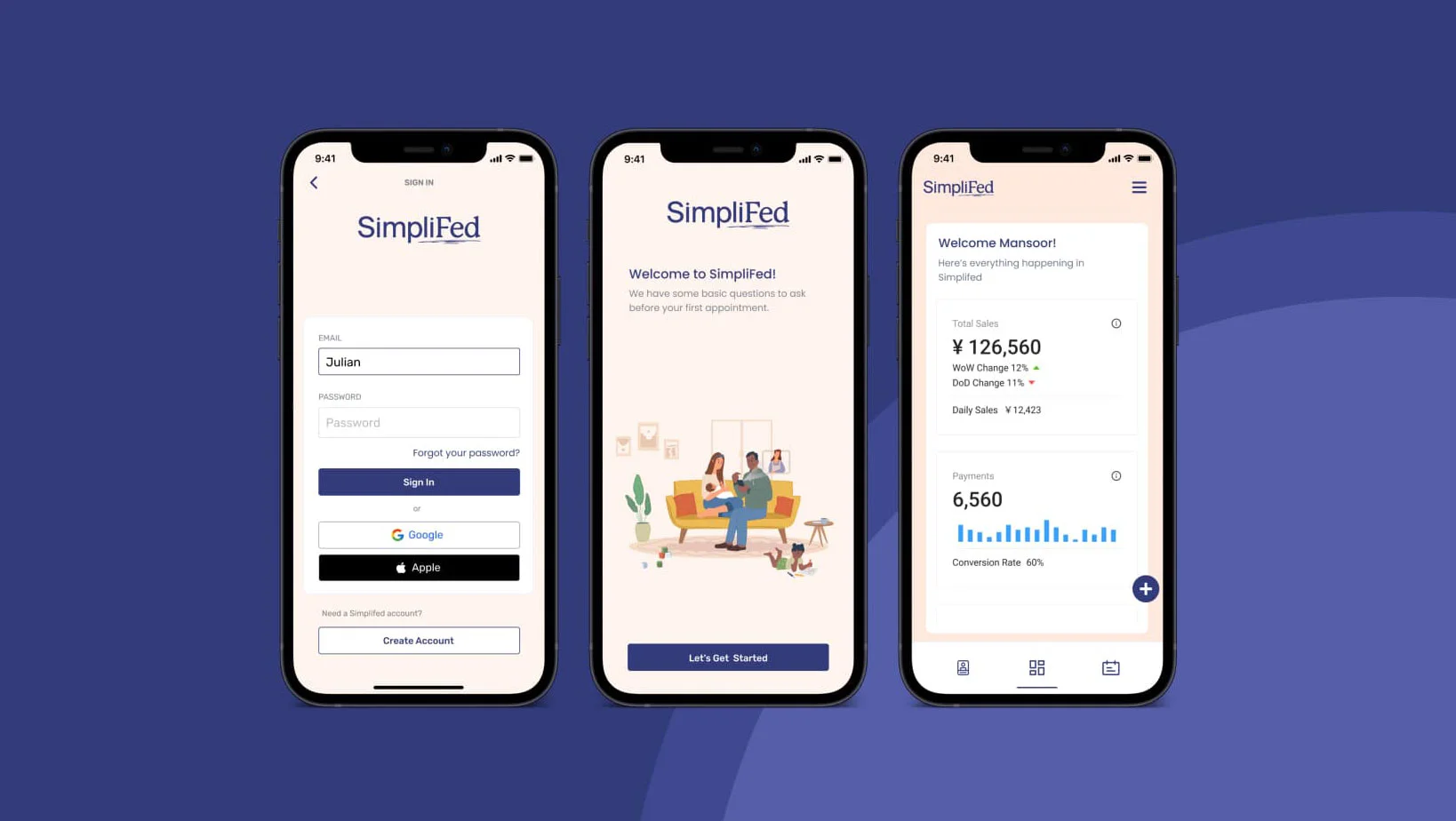

SimpliFed launched a HIPAA-compliant telehealth app that integrates Athena EMR and uses AI to match patients with providers efficiently by leveraging the expertise of our dedicated engineering team.


Caribbean Airlines processed claims 75% faster with a custom app built by our full-cycle development team that connected to their ticketing and reservation systems.
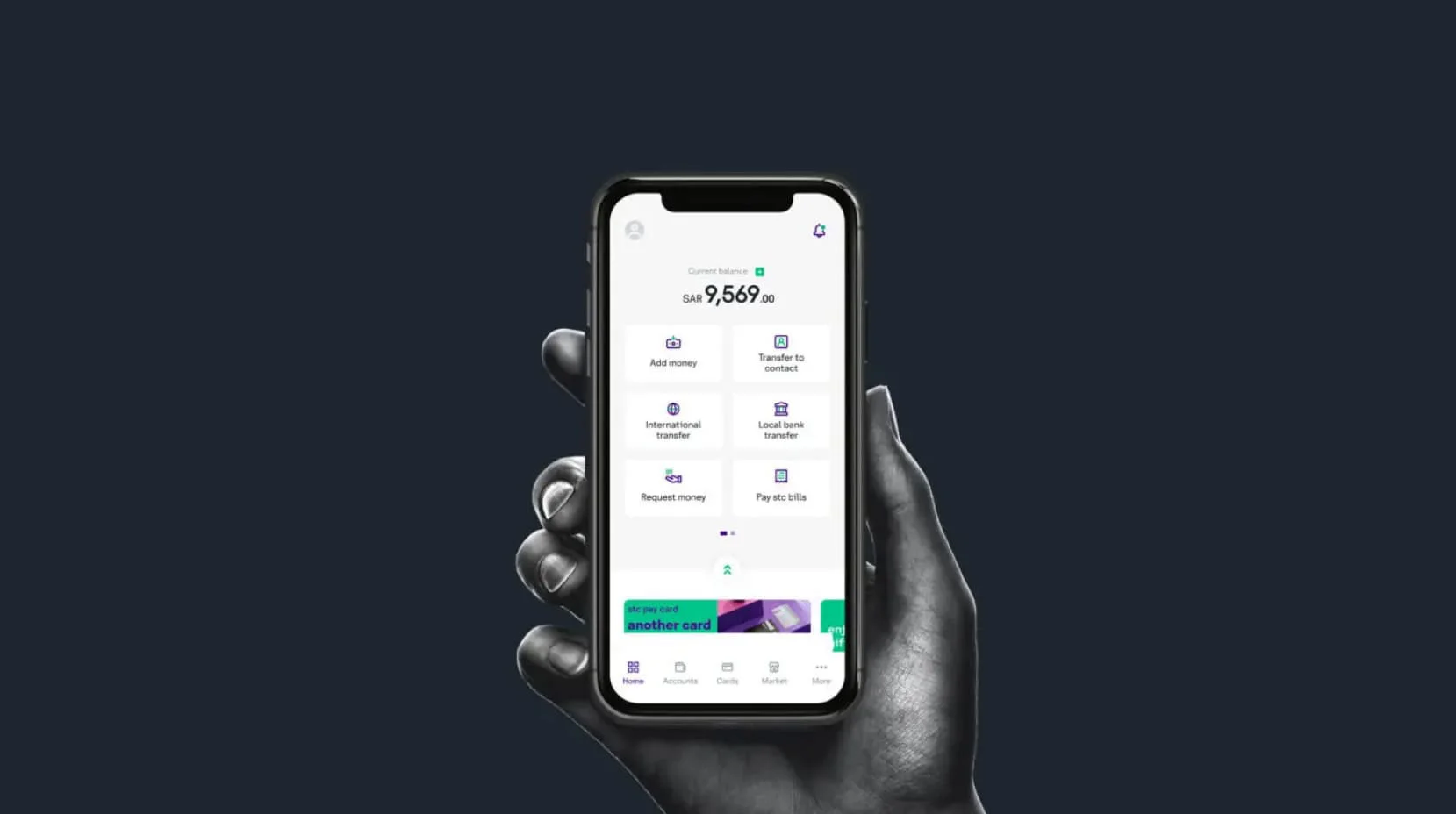

Saudi Telecom Bahrain partnered with our scalable tech team to develop a user-friendly mobile banking app, integrating multiple financial services for a seamless customer experience.


Heartbeat onboarded our AI engineers to build a HIPAA-compliant telehealth platform with AI chat support, EHR integration, and live consultations to improve patient care.
FAQs About Hiring Remote ColdFusion Developers
How can my business benefit from ColdFusion development?
If your organization runs ColdFusion applications, skilled developers keep those systems stable, secure, and able to handle new business requirements. The alternative is deferred maintenance, which creates technical debt and compliance risk over time.
Which ColdFusion versions and frameworks do your developers specialize in?
Our developers work across Adobe ColdFusion 9 through 2023 and the Lucee CFML engine. They have experience with FW/1, ColdBox, and Mach-II frameworks, as well as CFScript, tag-based CFML, and Hibernate ORM.
How does Code District vet ColdFusion developers?
Every developer completes a technical assessment covering CFML fundamentals, database integration, security practices, and debugging scenarios. Only the top 3% of applicants pass the full vetting process and join our available pool.
Why hire through Code District rather than an in-house ColdFusion development team?
Building an in-house team for a specialized language like ColdFusion takes months and costs significantly more than working with pre-vetted developers. Code District reduces time-to-hire from weeks to 72 hours, with no long-term headcount commitment required.
How long does it take to get a ColdFusion developer started on my project?
You can interview shortlisted candidates within 72 hours of contacting us. After you select a developer, onboarding takes 2 to 3 business days. Most developers are contributing to your codebase within the first week.
How much does it cost to hire a remote ColdFusion developer from Code District?
ColdFusion developers at Code District charge between $30 and $70 per hour. We offer hourly, monthly plans, and fixed project pricing. There are no hidden fees or placement charges. Pricing is discussed transparently during your initial consultation.
Have a Role to Fill? Say Hello to Get Matched
Drop us a message, and we will get back to you in no time.
First hire or fifth office, we have worked with all.
-
200+ pre-screened developers
Top 3% rigorously evaluated engineers, ready to start
-
96% match success rate
Most clients find their perfect hire on the first try
-
100+ brands (and counting) found their match
Let's make your story the next one we're proud of


