












-
Is COBOL Development Worth It?
The numbers make the case clearly. COBOL processes an estimated 70% of global business transactions.
Over 43% of global banking systems still run on COBOL, and 95% of ATM swipes go through COBOL-based programs.
These are not niche legacy holdovers; they are the operating layer of the global financial system.
Organizations that have attempted full COBOL replacements often discover that the costs and risks exceeded initial projections significantly.
Hiring experienced COBOL developers to maintain, extend, and modernize in-place is typically the more pragmatic path.
The talent shortage does push rates higher, but that cost is modest compared to a multi-year replacement project with uncertain outcomes.
If your COBOL systems are stable and processing transactions reliably, the question isn’t whether to keep them: it’s how to find qualified people to support them.
-
Use Cases for COBOL Across Key Industries
COBOL is well-suited to industries where transaction precision, auditability, and high-volume throughput are non-negotiable.
In banking and finance, COBOL handles core banking ledgers, loan origination, check processing, and end-of-day settlement.
Major banks process billions of dollars daily on COBOL-based mainframes.
In insurance, COBOL drives policy administration systems, claims adjudication, premium billing, and actuarial batch runs.
Many insurers have COBOL codebases going back decades that have accumulated intricate business logic.
In government, COBOL underpins Social Security benefit calculations, tax processing, unemployment systems, and federal payroll.
During the COVID-19 pandemic, several U.S. states publicly called for COBOL developers to help manage surging unemployment claims on aging state systems.
In retail, logistics, and manufacturing, COBOL manages inventory systems, supply chain records, order processing, and ERP back-ends built on mainframe infrastructure that were never fully migrated.
In healthcare, COBOL appears in claims processing, hospital billing, and Medicare/Medicaid reimbursement workflows, where precision in financial calculations is directly tied to regulatory compliance.
If your organization runs mainframe infrastructure, there is almost certainly COBOL in your stack, regardless of your sector.
-
Key Skills to Look for When Hiring a COBOL Developer
Not all COBOL experience is equal. The depth and relevance of a developer’s background matter considerably.
Look for working knowledge of IBM Enterprise COBOL or the specific compiler used in your environment.
Ask about their experience with JCL, because writing and debugging JCL is inseparable from mainframe COBOL work.
CICS experience matters for online transaction programs; IMS experience for hierarchical database environments.
Database skills are equally important. DB2 for z/OS is the most common relational database on mainframes, while VSAM handles many flat-file workloads.
A developer who can write embedded SQL in COBOL and optimize VSAM file access is considerably more capable than one who only knows the language.
Beyond technical skills, look for systematic problem-solving and strong documentation habits.
COBOL environments have long operational lifespans, and well-documented changes protect your organization when developers move on.
-
How much does it cost to hire COBOL developers?
COBOL developer rates reflect genuine scarcity. The talent pool is small, experienced practitioners are in high demand, and the pool shrinks by roughly 10% annually as developers retire.
This dynamic pushes market rates higher than comparable roles in more common languages.
Code District’s standard hourly rate for development and modernization work is $30-$70/hr.
COBOL specialists may fall toward the higher end of this range depending on experience level, the complexity of your mainframe environment, and whether you need someone with industry-specific credentials.
The more useful comparison isn’t the COBOL developer rate versus the Python developer rate.
It’s COBOL developer rate versus the cost of a mainframe system failure, a missed regulatory audit, or a botched migration.
For systems processing millions of transactions daily, the math usually favors investing in qualified people.
Engagement models include hourly, monthly retainer, and project-based arrangements, depending on the scope and duration of your needs.
-
COBOL Modernization Methodologies
Full rewrites of COBOL systems have a poor track record. The business logic embedded in decades of COBOL code is often poorly documented, and replicating it precisely in a new language is genuinely difficult. Several high-profile rewrite projects have gone over budget, over time, or both.
More practical approaches include:
API wrapping
Exposing COBOL program functionality through REST or SOAP APIs so modern applications can call legacy business logic without touching the underlying code. This is lower risk and faster to implement.
Incremental migration
Identifying discrete functions or modules that can be rewritten in modern languages (Java, Python) and gradually replacing them, while the core COBOL system continues running. This avoids a “big bang” cutover.
Mainframe-to-cloud lift and shift
Moving COBOL workloads to cloud-based mainframe emulation platforms (IBM Z on AWS, for instance) without changing the code. This reduces infrastructure costs while preserving operational continuity.
Our developers assess which approach fits your risk tolerance, timeline, and budget before recommending a path.
-
COBOL Development Tools and the Modern Ecosystem
COBOL development has evolved more than most people outside the mainframe world realize.
IBM Enterprise COBOL 6.5, released in June 2025, added performance improvements and enhanced interoperability with Java and modern cloud services. This is not a static language frozen in 1959.
Modern COBOL development tools include:
IBM Developer for z/OS
An Eclipse-based IDE that brings modern code editing, debugging, and unit testing to COBOL development.
MicroFocus (now OpenText) Visual COBOL
Widely used for COBOL development on distributed platforms, including Windows and Linux.
GnuCOBOL
Open-source COBOL compiler that allows development and testing on standard workstations without mainframe access.
Zowe
An open-source framework that lets developers interact with z/OS using modern tools and APIs.
CA7 and IBM TWS (Tivoli Workload Scheduler)
Job scheduling platforms are used alongside JCL for managing batch workflows.
Our developers are familiar with these environments and can assess which toolchain fits your setup before they start.
-
How to Assess COBOL Developer Expertise Before Hiring
Evaluating COBOL candidates is harder than evaluating developers in more common languages, partly because fewer interviewers have direct COBOL experience. Here’s a practical framework.
Start with a written technical screen covering COBOL fundamentals: data division structure, PERFORM and EVALUATE logic, file handling (sequential, indexed, relative), and embedded SQL.
This filters out candidates who only claim familiarity.
Follow with a code review exercise. Give them a section of JCL with a deliberate error and ask them to find and explain it.
Ask them to walk through a COBOL program and explain what it does. This reveals whether they can read and reason about existing code, not just write new programs.
For senior roles, discuss a real scenario: how would they approach adding an API interface to an existing batch program? What are the risks? What would they test first?
The answer tells you whether they think systemically or just syntactically.
Code District handles all three layers of this assessment before introducing candidates to your team.
-
COBOL Project Timelines: What to Expect
Timeline expectations for COBOL work differ from those for modern software projects for a few structural reasons.
Mainframe environments often have change management processes built around stability rather than speed.
Code changes typically go through multiple review cycles, testing in a dedicated LPAR (Logical Partition), and formal sign-off before reaching production.
A developer with an agile web development background needs to adjust to this cadence.
For straightforward maintenance and bug fixes, a single change can move from development to production in 1-3 weeks, depending on your change control process.
For integration work (e.g., connecting COBOL to a REST API), expect 4-8 weeks for a well-scoped project.
Full modernization planning engagements, which run 8-12 weeks before implementation begins, include assessment, documentation, and roadmap development.
These timelines assume a developer who is already familiar with your compiler and mainframe environment. Onboarding to a new codebase adds 2-4 weeks.
Hire COBOL Developers
Expert COBOL programmers are retiring fast, while critical banking and government systems still run on it. As experienced talent shrinks, organizations face higher maintenance costs and increased operational risk. Code District helps you hire COBOL developers quickly to stabilize legacy mainframe systems, integrate COBOL with modern APIs, or plan a phased migration.

-
Ali Ehsan

-
Laiba Sohail

-
Usama Saqib


High-caliber professionals ready to join your team!
Trusted by many organizations

Code District successfully launched our application on time. The team worked hard, adjusted to our schedule, and ensured our requests were turned around very quickly. They asked the right questions, used sound judgment, and made consistent progress, demonstrating strong technical skills and a driven attitude.

CTO, Skywatch


Code District was a hit. Their engineers were professional, communicative, and committed to delivering a well-thought-out solution. The best thing about them was their willingness to adapt, which made the process smooth and productive.

Head of IT Applications, Caribbean Airlines




One of the things that I really appreciate about Code District is that they work with you front stage in discovery sessions to help understand your needs and your requirements.

CEO & Founder, Simplifed


Code District knows and understands our business. Our teams have developed high-level of mutual trust and respect for one another. They have done a good job at being responsive and providing great support now that we’ve got users living and working in the system day in and day out.

COO, Source 2




Collaborating with team Code District was a great experience. They brought deep technical expertise and a problem-solving mindset to the development of our digital wallet platform. Their ability to integrate complex financial services while ensuring security and usability made a significant impact.

Head Of IT, STCPay Bahrain

Core Competencies of COBOL Developers for Hire
How to Hire COBOL Developers in 3 Simple Steps
-
01. Discuss Requirements
Contact Code District representatives to discuss your project scope, feasibility, budget, and other essential requirements. This helps us match you with the right profile.
-
02. Interview the Shortlisted Candidates
We share profiles of 3-4 COBOL developers for hire. Average time to match is 48 hours. Conduct technical interviews on your schedule to choose the right candidate.
-
03. Hire COBOL Experts
Once you select the right fit, we handle contracts, NDAs, and onboarding setup. Your COBOL developer can be contributing to your project within 2-3 business days.

Want to hire a COBOL developer?
Share your requirements, and we’ll match you within 48 hours.
Hire COBOL developers quickly with zero risks. Start your 1-week free trial today!
Hire Now
Why Top Companies Hire COBOL Developers from Code District
COBOL expertise is scarce. When you post a COBOL role on a job board, you’re fishing in a very small pond, and the best candidates aren’t actively looking.
Code District has built a network of pre-vetted COBOL engineers who bring both legacy mainframe depth and the ability to work alongside your modern development teams.
- Access to the top 3% of pre-screened COBOL developers.
- Expertise in JCL, CICS/IMS, and batch processing logic.
- Quick onboarding (on average, within 2-3 days).
- Dedicated project manager at your service.
- Flexible hiring options with no hidden fees.
- Daily and weekly progress updates are provided.
- Developers are available to work in your time zone.
- Access to fluent English-speaking developers.
- Ensure project confidentiality with a signed NDA.
- Secure and compliant COBOL development.
Essential Guide to Hiring COBOL Developers
Contents
- Is COBOL Development Worth It?
- Use Cases for COBOL Across Key Industries
- Key Skills to Look for When Hiring a COBOL Developer
- How much does it cost to hire COBOL developers?
- COBOL Modernization Methodologies
- COBOL Development Tools and the Modern Ecosystem
- How to Assess COBOL Developer Expertise Before Hiring
- COBOL Project Timelines: What to Expect
Want to hire freelance COBOL developers?
Stop spending weeks screening resumes and hire COBOL developers 5X faster from our pre-vetted talent pool to avoid project delays.
Hire NowSuccess Stories that Prove We Mean Business
View all Work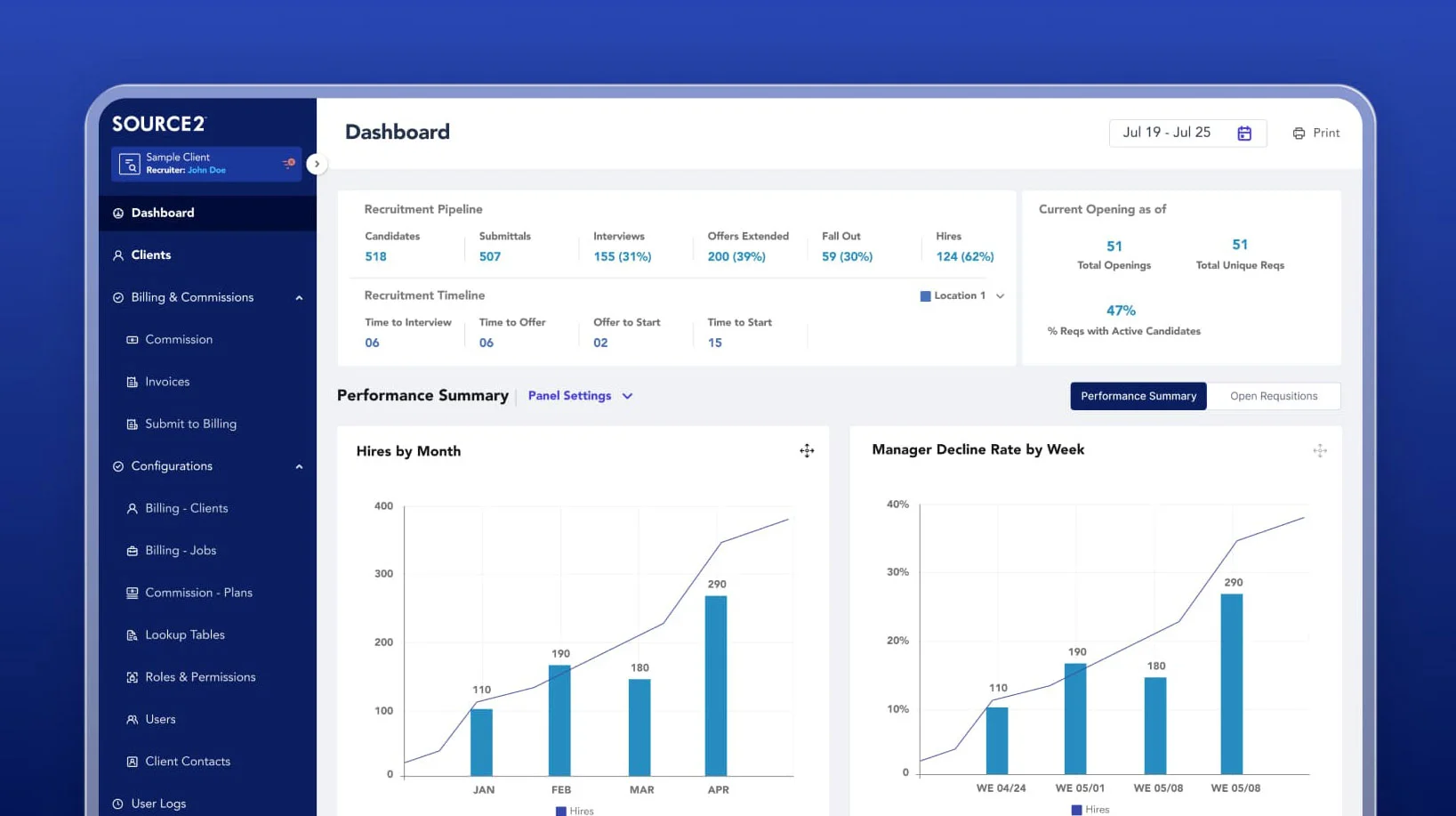

Source2 chose Code District to scale their engineering team and build a custom recruitment platform that enhanced operational visibility and cut manual work.


Skywatch brought in our agile engineering talent to build a custom, multilingual web platform that helped them scale quickly and slashed acquisition costs by 10x.
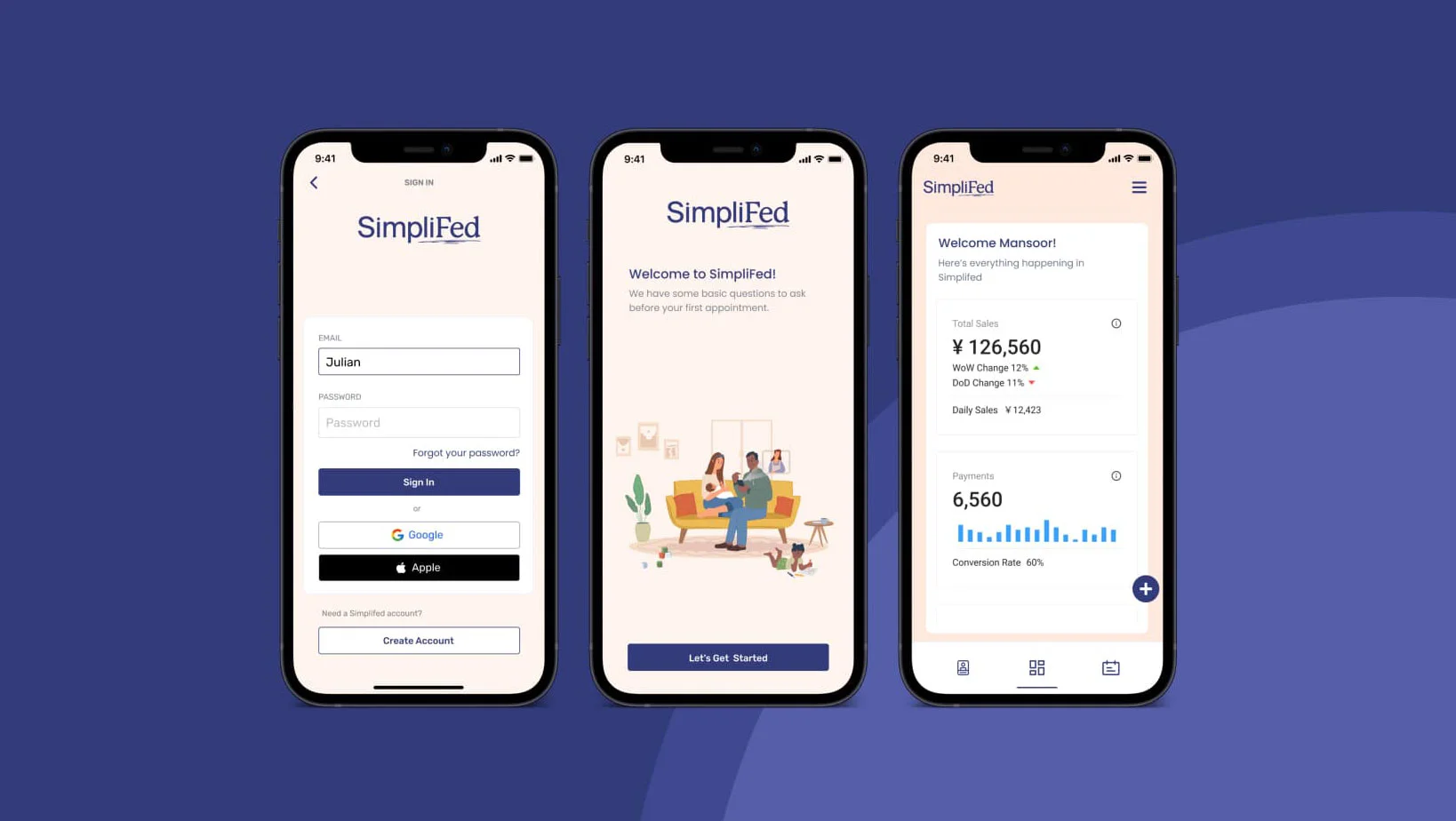

SimpliFed launched a HIPAA-compliant telehealth app that integrates Athena EMR and uses AI to match patients with providers efficiently by leveraging the expertise of our dedicated engineering team.


Caribbean Airlines processed claims 75% faster with a custom app built by our full-cycle development team that connected to their ticketing and reservation systems.
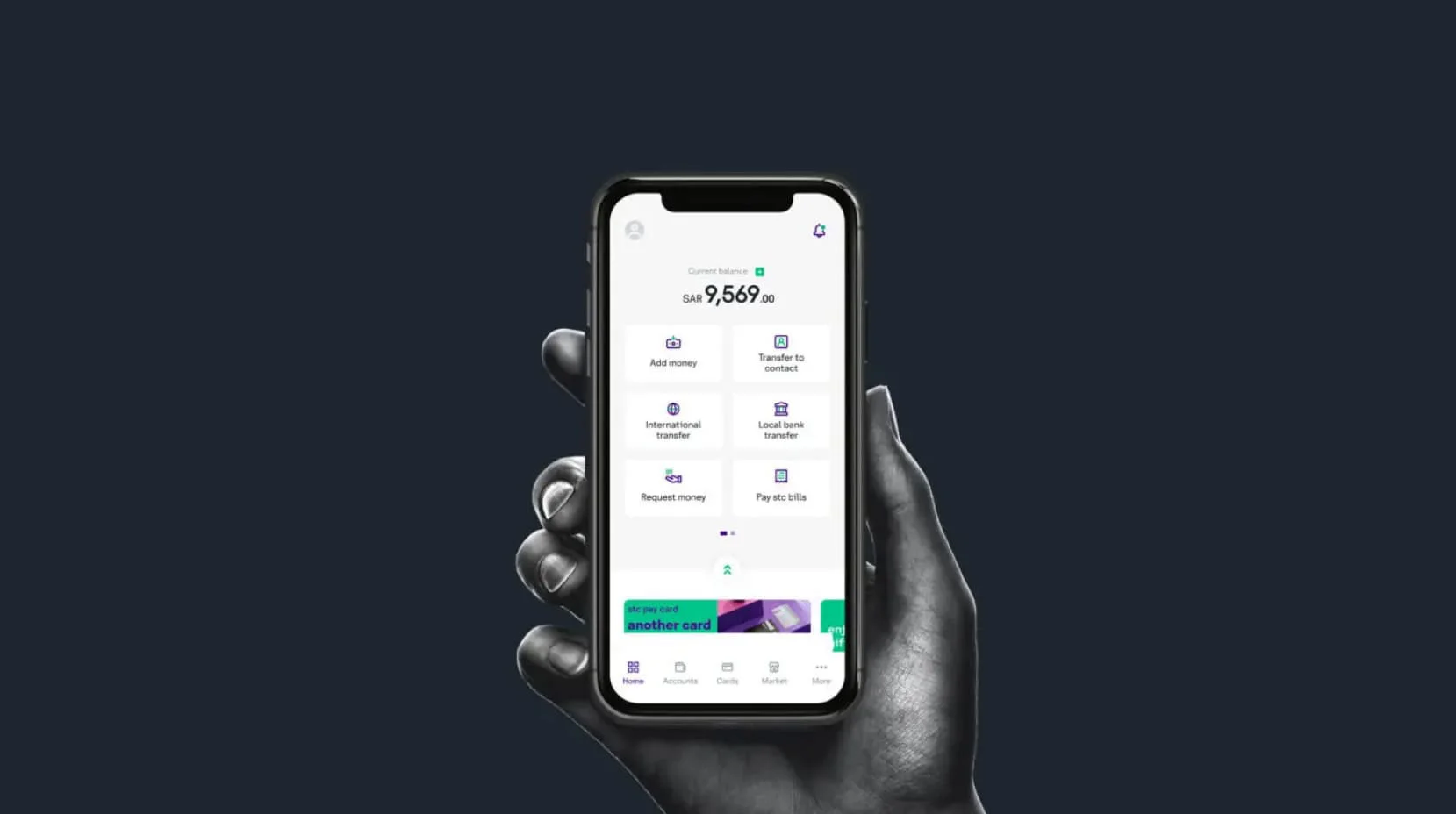

Saudi Telecom Bahrain partnered with our scalable tech team to develop a user-friendly mobile banking app, integrating multiple financial services for a seamless customer experience.


Heartbeat onboarded our AI engineers to build a HIPAA-compliant telehealth platform with AI chat support, EHR integration, and live consultations to improve patient care.
Hire COBOL Developers FAQs
How can my business benefit from hiring COBOL developers instead of replacing the system?
Replacing a working COBOL system is expensive, risky, and rarely goes to plan. The business logic accumulated in decades of COBOL code is difficult to replicate exactly, and a failed migration can disrupt operations that process millions of transactions daily.
Hiring experienced COBOL developers to maintain and gradually modernize your existing system preserves uptime, controls costs, and reduces the risk of a catastrophic transition. Most organizations find incremental modernization far more manageable than a full rewrite.
Which COBOL frameworks, compilers, and tools do your developers work with?
Our COBOL developers have experience with IBM Enterprise COBOL (the most widely used compiler for z/OS mainframes), Micro Focus/OpenText Visual COBOL for distributed platforms, and GNU COBOL for open-source environments.
They work with JCL, CICS, IMS, DB2 for z/OS, VSAM, and job schedulers, including IBM TWS and CA7. For development tooling, our engineers use IBM Developer for z/OS and Zowe for modern mainframe interaction. Tell us your specific environment, and we’ll match you accordingly.
How does Code District vet COBOL developers before introducing them to clients?
Every COBOL developer in our network passes a structured technical assessment covering COBOL fundamentals, JCL writing and debugging, batch processing logic, and database interaction (DB2, VSAM).
We also conduct a code review exercise using real mainframe code and a technical interview assessing their ability to reason about existing systems, not just write new ones.
Only developers who pass all three stages are introduced to clients. The final pass rate through our full vetting process is within the top 3% of applicants.
Why should I hire COBOL developers from Code District rather than build an in-house team?
Building an in-house COBOL team means competing in one of the tightest talent markets in software development.
Over 85% of universities have stopped teaching COBOL for decades, and the average practitioner is nearing retirement age. A direct hire process for a specialized role takes 8-12 weeks, and there’s no guarantee of retention.
Code District gives you access to pre-screened, interview-ready COBOL developers in 48 hours, with flexible engagement models that match your actual project scope, without the overhead of a permanent hire.
How long does it take to hire a COBOL developer through Code District?
We return a curated shortlist of qualified COBOL developers within 48 hours of receiving your requirements. Most clients complete interviews within the first week and confirm a selection shortly after.
Once you choose a developer, we handle contracts, NDAs, and onboarding setup. Your developer can be contributing to your project within 2-3 business days of confirmation.
From the first conversation to active engagement takes 1-2 weeks, depending on your internal review process.
How much does it cost to hire remote COBOL developers from Code District?
Code District helps you hire a COBOL developer for $30-$70/hr. COBOL specialists may fall toward the higher end of this range, given the scarcity of qualified practitioners and the complexity of mainframe environments.
We offer hourly, monthly retainer, and project-based engagement models. There are no hidden fees.
Have a Role to Fill? Say Hello to Get Matched
Drop us a message, and we will get back to you in no time.
First hire or fifth office, we have worked with all.
-
200+ pre-screened developers
Top 3% rigorously evaluated engineers, ready to start
-
96% match success rate
Most clients find their perfect hire on the first try
-
100+ brands (and counting) found their match
Let's make your story the next one we're proud of


